



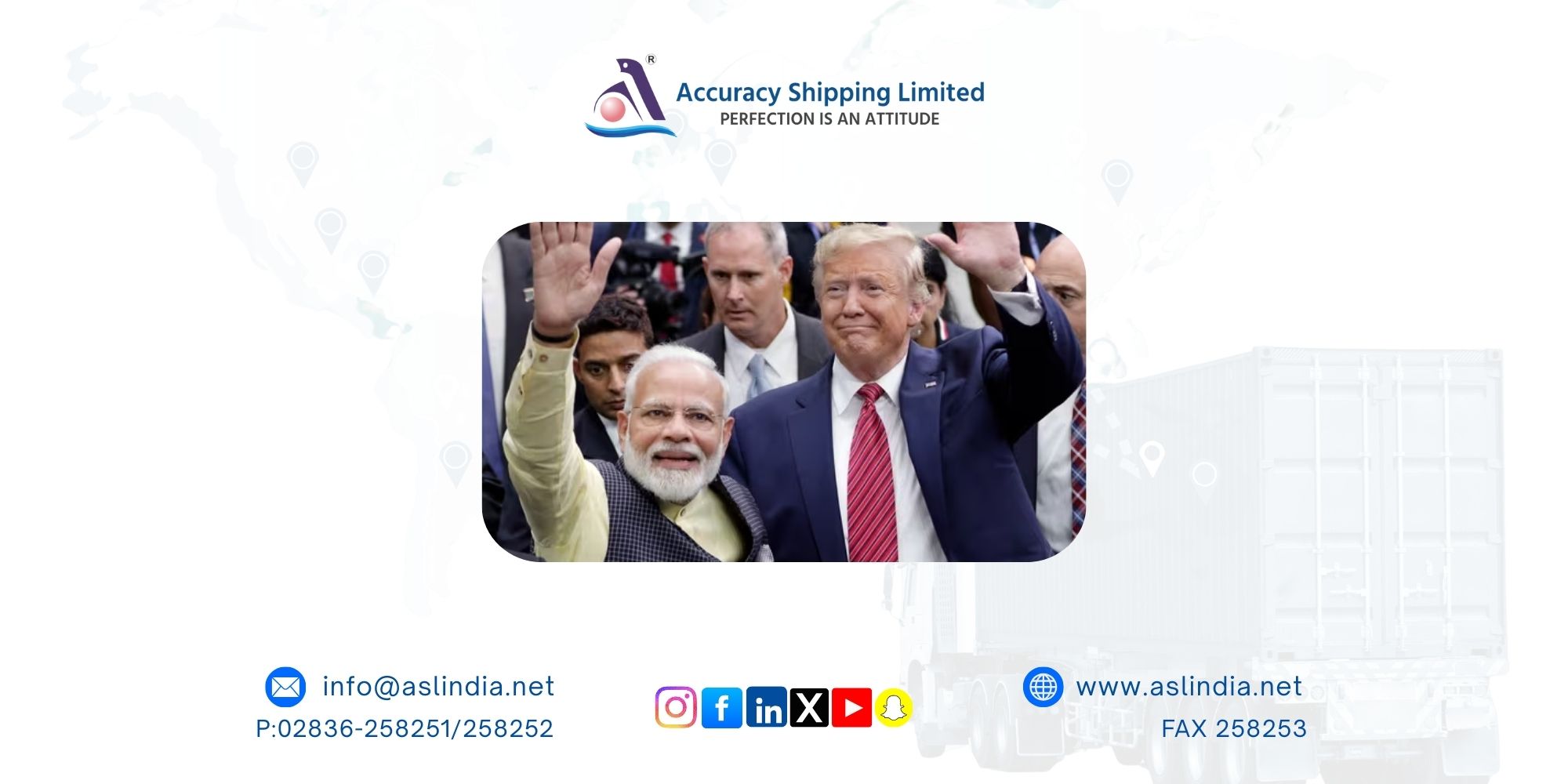
'Modi knew I wasn't happy': Trump hints rise in tariffs on India over Russia oil

Introduction
US President Donald Trump has once again stirred global trade and diplomatic discussions by hinting at a possible increase in tariffs on Indian imports over New Delhi’s continued purchase of Russian oil. His latest remarks signal renewed pressure on India amid ongoing trade negotiations between the two countries and could add fresh strain to bilateral ties.
Trump’s remarks on India and tariffs
On Monday, President Trump reportedly said that the United States could raise its existing tariffs on Indian imports if India did not cooperate on what he referred to as the “Russian oil issue.” Speaking to reporters, Trump mentioned Prime Minister Narendra Modi, describing him as a “good guy” who was aware of the US President’s dissatisfaction.
In an audio clip from the interaction, Trump was heard saying that India wanted to keep him happy and that tariffs could be raised “very quickly” if expectations were not met. His comments suggest that trade measures remain a key lever in Washington’s strategy to influence India’s energy choices.
Background of the tariff dispute
Trump’s remarks come months after the US doubled tariffs on Indian imports to 50 percent in August 2025. At the time, the move was widely viewed as a response to India’s growing oil trade with Russia, which the Trump administration has consistently opposed.
Trump has repeatedly claimed that Prime Minister Modi had assured him India would stop buying Russian oil. In October, he stated that there would be “no oil” purchases from Russia by India. However, New Delhi firmly denied this claim, saying no such conversation had taken place between the two leaders.
India’s stance on Russian oil
India has consistently maintained that its energy policies are guided by market conditions and the needs of Indian consumers. As the world’s third-largest oil importer, India has defended its decision to buy discounted Russian oil as a matter of economic necessity.
Russia is currently India’s largest oil supplier. US officials have alleged that proceeds from these oil sales help fund Russia’s war in Ukraine and have accused India of profiting by reselling Russian crude. India, however, has rejected these allegations and emphasized its strategic autonomy in foreign and economic policy decisions.
Geopolitical context and Venezuela link
Trump made his latest comments during a briefing on the United States’ next steps following the capture of Venezuelan leader Nicolas Maduro. Oil featured prominently in the discussion, as energy considerations were also central to recent US actions in South America. This broader geopolitical context underscores how energy politics continue to shape US foreign policy decisions.
Impact on India–US relations
Trump’s warning on tariffs comes at a sensitive time, with trade negotiations between India and the US still ongoing. While the remarks could strain diplomatic ties, relations between the two countries have shown signs of resilience in the past.
Following the imposition of tariffs last year, Trump had said he would “always be friends” with Modi and spoke of a “special relationship” between the two nations. Prime Minister Modi had reciprocated by appreciating the US leader’s positive assessment of bilateral ties.
What lies ahead
Trump’s renewed focus on Russian oil and tariffs indicates that trade pressure remains a key tool in Washington’s strategy to influence global geopolitics, particularly in relation to the Ukraine conflict. For India, balancing strategic partnerships, energy security, and trade relations with the US will remain a complex challenge.
As negotiations continue, Trump’s latest remarks highlight the uncertain path ahead for India–US trade ties and the growing role of energy diplomacy in shaping global alliances.
Our Tag:
Share:

.png)
.png)
.png)
Newsletters

 29 Nov, 2025
Black Sea blaze: ‘Kairos’ tanker hit by possible mine
 10 Jun, 2025
Why Nicholas Pooran decided to retire from international cricket at 29: ‘My love for West Indies will never fade'
 11 Nov, 2025
7 things that changed for market overnight - Gift Nifty, Nasdaq rally to India-US trade deal hopes
 01 Dec, 2025
Gujarat Pipavav Port Eyes Gradual Container Recovery as Liquids, RoRo and Fertilisers Drive Growth
 13 Jan, 2026

