



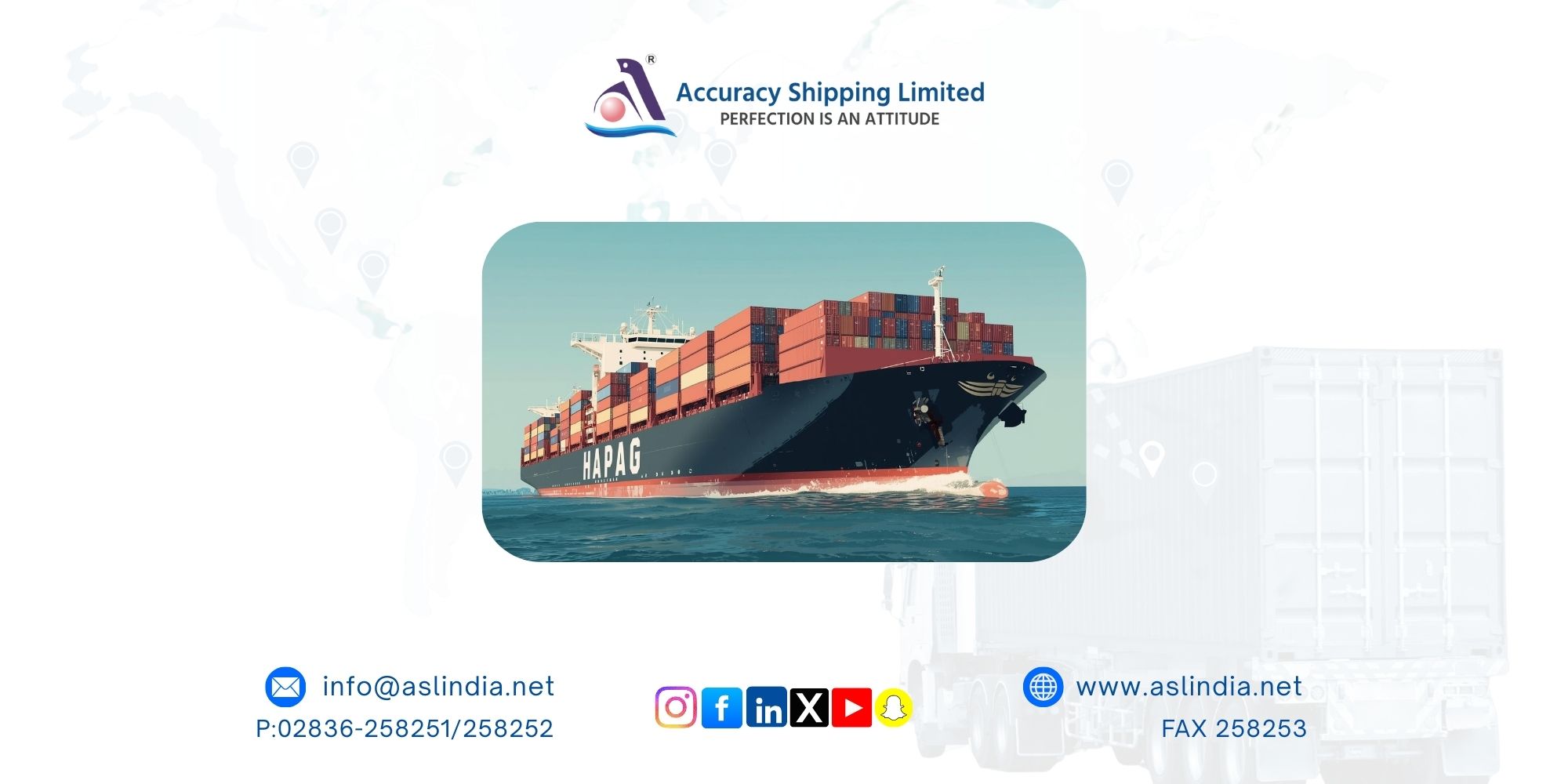
Hapag increases freight tariffs on India, Pakistan–Europe sailings

Introduction
Global container shipping major Hapag-Lloyd has announced an increase in ocean freight tariff rates for cargo moving from India and Pakistan to Europe. The decision comes amid changing market conditions and rising operational costs across key trade lanes. The revised tariffs will apply to shipments bound for major European destinations and are expected to take effect from an upcoming sailing window, subject to existing contracts and applicable surcharges.
Reason Behind the Tariff Increase
The rate hike reflects ongoing volatility in global shipping markets. Carriers continue to face elevated costs related to fuel prices, vessel operations, port handling charges, and network adjustments. Industry sources indicate that while market conditions remain uncertain, certain segments on the India–Europe and Pakistan–Europe corridors have shown resilient demand. This has encouraged carriers to realign pricing in line with capacity deployment and cost pressures.
Impact on Exporters and Trade
Exporters and freight forwarders have expressed concerns that the higher tariffs could affect pricing competitiveness, particularly for commodities such as textiles, chemicals, engineering goods, and agricultural products. Spot cargo and short-term contract shipments are likely to feel the immediate impact. As a result, some shippers may reassess shipment schedules, routing options, or contract structures to better manage increased logistics costs.
Carrier Perspective on Service Reliability
According to Hapag-Lloyd, the tariff adjustment is part of its broader strategy to maintain service reliability and network efficiency. The carrier emphasized that sustainable pricing is essential to ensure consistent vessel operations and dependable transit times, especially on long-haul routes connecting South Asia with Europe.
Outlook for the India–Europe Corridor
Shipping analysts note that further rate movements on the India–Pakistan–Europe corridor will depend on multiple factors, including cargo demand trends, capacity management by carriers, fuel cost dynamics, and broader developments in global trade. While short-term volatility may persist, stakeholders will closely watch how market fundamentals shape freight rates in the coming months.
Conclusion
The latest tariff increase highlights the evolving cost structure of international shipping and the need for exporters and logistics providers to remain agile. Strategic planning, early bookings, and flexible supply chain decisions will be crucial for managing the impact of higher freight costs on India and Pakistan–Europe trade routes.
Our Tag:
Share:

.png)
.png)
.png)
Newsletters
 20 Jun, 2025
Delta Ports sets new Iron Ore benchmark at Mormugao Port
 06 Nov, 2025
Lenskart IPO allotment date likely today. GMP, steps to check share allotment status online
 07 Aug, 2025
A 25% tariff imposed by Trump is expected to impact seafood exports from Andhra Pradesh
 24 Nov, 2025
Diabetologist shares 7 hacks to manage blood sugar spikes naturally: Add fenugreek seeds to diet, hydrate well and more
 14 Feb, 2026

