



Global Shipping at Risk as Hormuz Closure Could Stall 200,000 TEUs

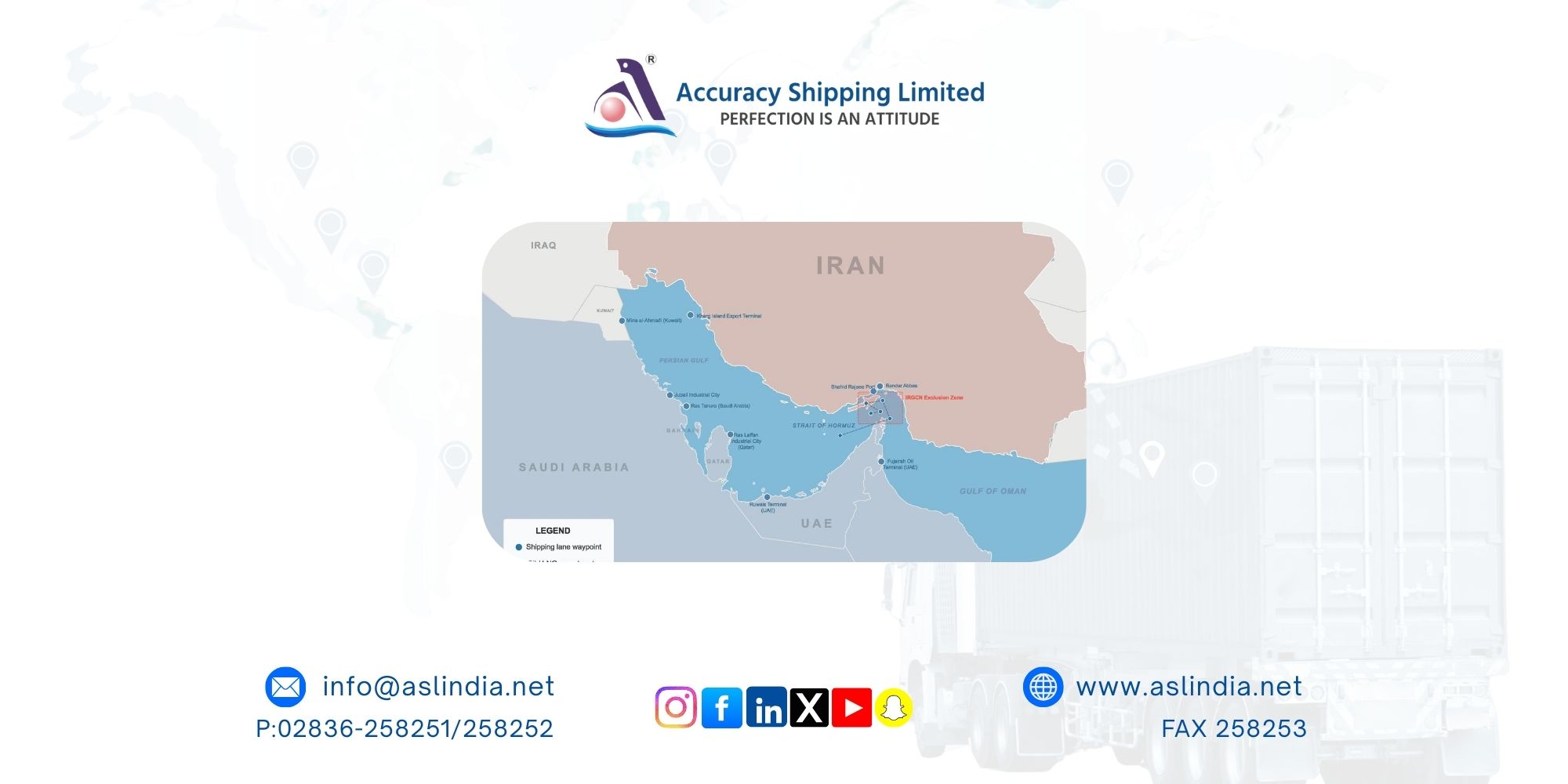
A Critical Maritime Chokepoint Under Threat
Global shipping markets are closely watching rising geopolitical tensions around the Strait of Hormuz, one of the world’s most strategically important maritime corridors. Industry estimates suggest that a potential shutdown of this narrow waterway could leave over 200,000 twenty-foot equivalent units (TEUs) stranded aboard vessels operating in and around the Gulf region.
The Strait of Hormuz connects the Persian Gulf with the Gulf of Oman, acting as a vital passage for both energy shipments and containerized cargo moving between the Middle East and the rest of the world. Any disruption in this corridor would not only affect regional trade but also have ripple effects across global shipping networks.
Container Trade at Immediate Risk
Several major container shipping services operate through Gulf ports, linking them with key Asian hubs such as Singapore, Shanghai, and Mumbai. If the strait were to close due to escalating tensions involving Iran, vessels would be unable to enter or exit Gulf terminals.
Such a scenario could effectively trap cargo already in transit while halting new shipments into and out of the region. The resulting bottleneck could leave hundreds of thousands of TEUs immobilized, creating significant delays for exporters, importers, and logistics operators worldwide.
Impact on Supply Chains and Freight Rates
Shipping analysts warn that the consequences of a Hormuz closure could extend far beyond immediate cargo delays. Ports located near the Gulf could experience severe congestion as vessels are forced to wait for access or seek alternative routes.
In addition, freight rates could spike sharply due to reduced shipping capacity and growing uncertainty in global trade lanes. Industries that rely heavily on Gulf exports and imports including petrochemicals, metals, and consumer goods would likely face disruptions in their supply chains.
For manufacturers and traders, these interruptions could translate into delayed deliveries, rising logistics costs, and potential shortages in key markets.
A Strategic Hub for Global Trade
The Gulf region also plays a vital role as a transshipment hub connecting Asia, Europe, and Africa. Ports in the region facilitate the redistribution of cargo between major global shipping routes, making the smooth operation of the Strait of Hormuz essential for maintaining efficient maritime trade.
A prolonged disruption could force shipping lines to reroute vessels, suspend certain services, or divert cargo to alternative ports outside the Gulf region. While such adjustments may keep goods moving, they would likely increase transit times and operational costs.
Industry Monitoring the Situation Closely
Carriers, insurers, and port operators are actively monitoring developments in the region as geopolitical tensions continue to evolve. The possibility of instability around the Strait of Hormuz remains a key concern for the maritime industry.
Should the situation escalate, the implications could extend beyond container shipping to affect global energy supplies, freight markets, and international trade flows. With so much cargo and strategic infrastructure depending on this narrow waterway, maintaining stability in the Strait of Hormuz remains crucial for the resilience of global supply chains.
Our Tag:
Share:

.png)
.png)
.png)
Newsletters
 23 Dec, 2025
Mangaluru Welcomes First Cruise Liner of 2025–26 Season
 04 Jun, 2025
Pharmacists Urged to Incorporate Emerging Cholesterol Therapies and Lifestyle Counseling into Patient Care
 04 Feb, 2026
“Adani Ports Fleet Grows to Record High of 129 Vessels”
 24 Apr, 2025
Govt suspends Indus treaty, expels Pak advisors, cancels visas, closes Attari
 22 Aug, 2025

