



AIIMS, Harvard-trained gastroenterologist reveals '1 lifestyle habit’ that lowers blood sugar without changing your diet

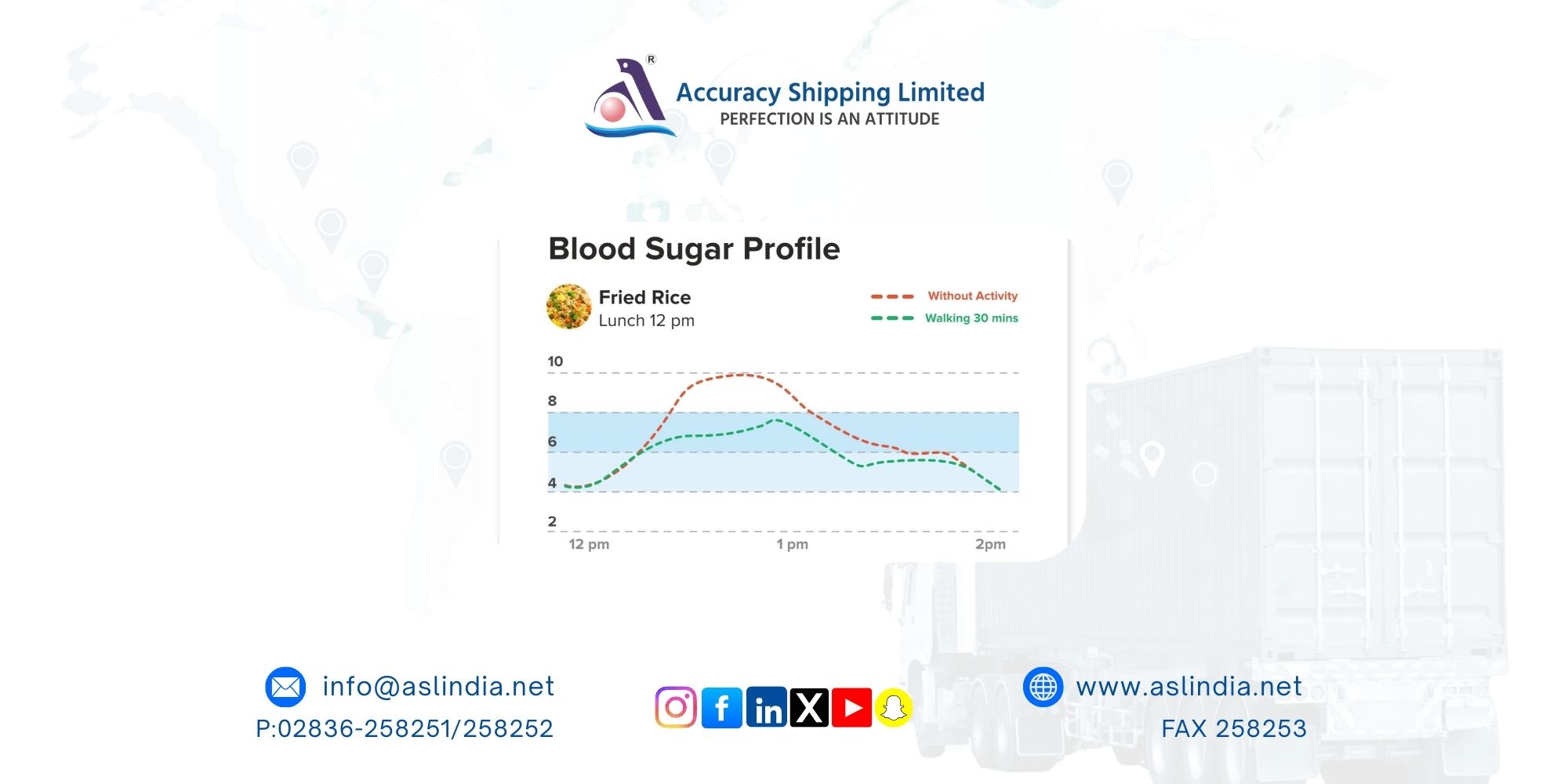
Managing blood sugar often feels complicated. Strict meal plans, calorie tracking, and food restrictions can make daily life stressful, especially for people already dealing with health conditions. But according to Dr Saurabh Sethi, blood sugar control does not always require drastic dietary changes. A simple, consistent lifestyle habit can make a meaningful difference.
Understanding blood sugar management beyond diet
Blood sugar control is commonly associated with cutting carbs, avoiding sugar, and following rigid diets. While nutrition is important, lifestyle habits also play a powerful role in regulating glucose levels. Dr Sethi highlights that small actions done consistently can support metabolic health without completely changing what you eat.
Can a simple habit really lower blood sugar
In a January 15 Instagram post, Dr Sethi explained that many people assume glucose control depends only on diet. However, he points out that one easy habit can reduce blood sugar levels almost as effectively as dietary modifications. This approach focuses on how the body uses glucose rather than restricting food intake.
Who can benefit from this habit
According to Dr Sethi, this habit is especially helpful for people dealing with:
• Prediabetes
• Type 2 diabetes
• Fatty liver
• Insulin resistance
• Weight gain
• Belly fat
• Sugar cravings
What is the easiest habit to follow
The habit is simple: a 10-minute walk after meals.
Dr Sethi explains that when you walk, your leg muscles act like a sponge. As they move, they pull glucose directly out of the bloodstream. This leads to less glucose circulating in the blood, which means less insulin release. Lower insulin levels also reduce fat storage in the liver, an important benefit for people with fatty liver disease.
Why walking after meals works
Post-meal walking helps the body use glucose more efficiently. It does not require speed, step targets, or gym workouts. Even slow walking inside your home is effective. The key is consistency after meals rather than intensity.
Benefits of a 10-minute post-meal walk
• Smaller blood sugar spikes
• Lower insulin levels
• Reduced fat storage in the liver
• Less belly fat
• Fewer sugar crashes
• More stable and steady energy throughout the day
A sustainable habit for long-term health
Dr Sethi emphasizes that you do not need to walk fast or follow a structured fitness routine. This habit fits easily into daily life and can be maintained long term. Just 10 minutes of walking after meals allows your muscles to naturally lower blood sugar without stress or strict rules.
Conclusion
Blood sugar management does not always have to be complex. A short walk after meals can be a powerful, natural way to support glucose control, insulin balance, and overall metabolic health. For many people, this small habit can be a practical step toward better health without changing their diet.
Note to readers
This article is for informational purposes only and is not a substitute for professional medical advice. Always consult your doctor for questions related to medical conditions or treatment.
Disclaimer
This report is based on user-generated content from social media. HT.com has not independently verified the claims and does not endorse them.
Our Tag:
Share:

.png)
.png)
.png)
Newsletters

 04 Nov, 2025
Cochin Shipyard, Drydocks World form JV to build India’s first ship repair cluster in Kochi
 16 Oct, 2025
Apple MacBook Pro 14 with M5 launched: India prices, top specs, key features and everything else to know
 17 Jul, 2025
Vadhavan Port will connect to 24 districts through Samruddhi Mahamarg: CM
 15 Jan, 2026
Bharat Coking Coal IPO Allotment Status: Why BCCL IPO's Listing Postponed To January 19 On BSE, NSE? GMP Here
 24 Feb, 2026

