



UAE to withdraw forces from Saudi Arabia after bombing in Yemen's Mukalla | All we know

Introduction
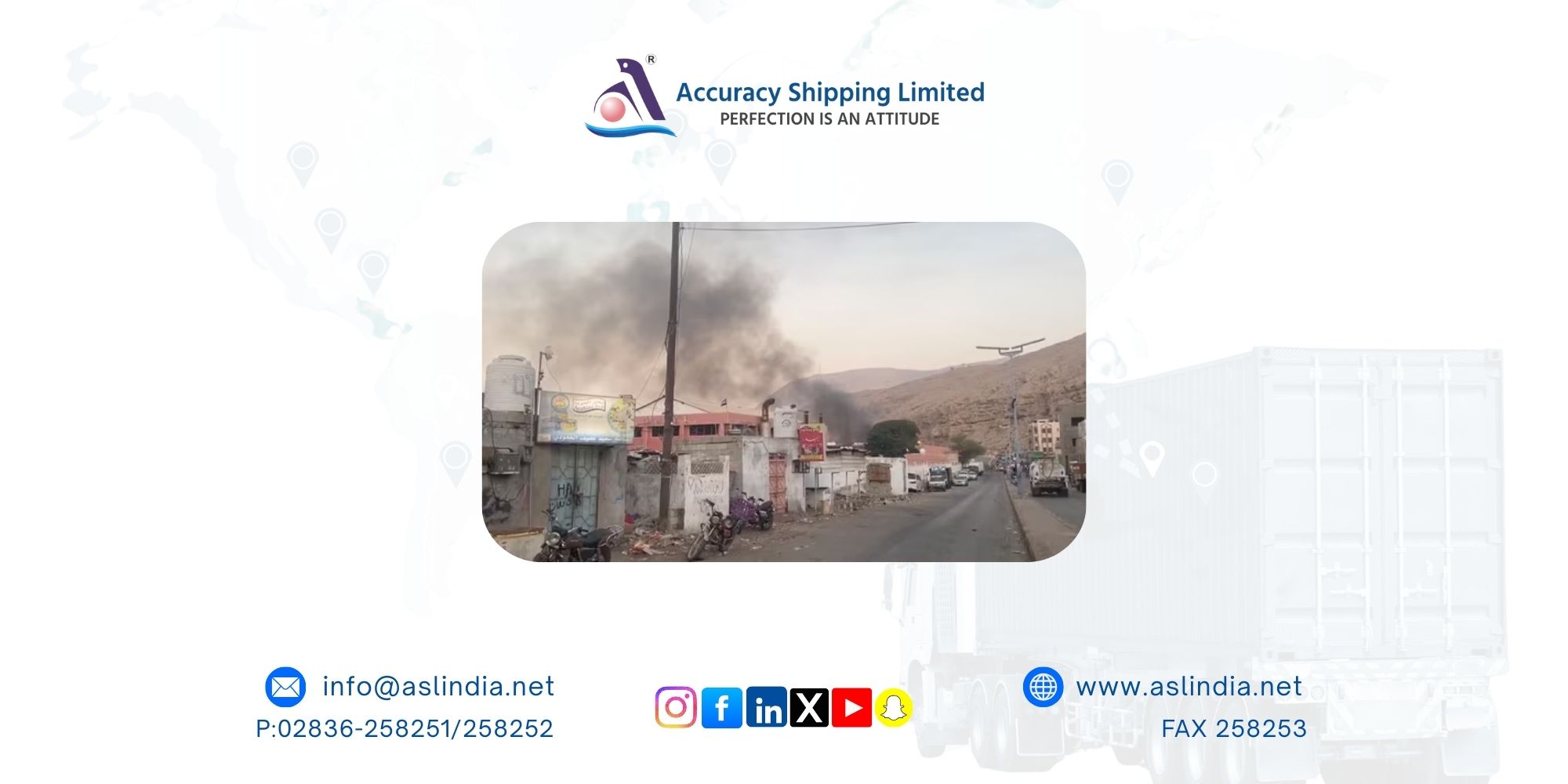
Tensions in the Middle East have escalated following Saudi Arabia’s airstrike on Yemen’s port city of Mukalla. In response, the United Arab Emirates (UAE) has announced the withdrawal of its troops from Saudi Arabia, citing safety concerns and the effectiveness of its counterterrorism missions. The development highlights growing rifts among regional allies involved in the long-running Yemen conflict.
Why the UAE Is Withdrawing Its Troops
On Tuesday, the UAE confirmed it would pull out its remaining personnel from Saudi Arabia of its own volition. According to a statement from the UAE Ministry of Defence, the decision was driven by concerns over the safety of its forces and the effectiveness of ongoing counterterrorism operations. Bloomberg reported that the UAE emphasized this was a strategic decision rather than a reactionary one.
The move came shortly after Saudi Arabia bombed Yemen’s Mukalla port, allegedly targeting a shipment of weapons that Riyadh claimed had arrived from the UAE. Abu Dhabi has strongly denied these accusations.
UAE’s Response to Weapon Shipment Allegations
The UAE Ministry of Foreign Affairs rejected claims that it had sent weapons to Yemen. It clarified that the shipment in question contained vehicles intended for use by UAE forces operating in the country. The ministry reiterated that the UAE is supporting the restoration of legitimacy in Yemen and combating terrorism, while fully respecting Yemen’s sovereignty.
The UAE also restated its long-held position that Yemen’s governance and territorial integrity should be decided by Yemeni parties themselves, distancing itself from accusations of backing separatist agendas through arms supplies.
What Happened in Mukalla
A shipment from the UAE’s Fujairah port arrived at Yemen’s Mukalla port on Tuesday. Soon after, Saudi Arabia launched airstrikes on Mukalla, alleging that the cargo included weapons meant to support the Southern Transitional Council (STC), a group backed by Abu Dhabi that has sought sovereignty for southern Yemen since April 2017.
Following the initial bombing, the Saudi-led coalition carried out further airstrikes in Mukalla. The UAE responded by denying the allegations and stating that it would soon withdraw its forces from Yemen as well.
Rising Tensions in Southern Yemen
Tensions had already been escalating earlier this month when the STC seized control of large parts of Yemen’s Hadramout and Mahra provinces, including key oil facilities. This advance heightened concerns in Riyadh, which supports rival groups opposed to the STC’s expansion.
On the other side of the conflict, the Yemeni military, allied with the Hadramout Tribal Alliance, stands in opposition to the STC. This local tribal coalition is backed by Saudi Arabia, placing Riyadh and Abu Dhabi on opposing sides of Yemen’s internal power struggle.
Strategic Stakes and Regional Implications
Both Saudi Arabia and the UAE support different political factions in Yemen, particularly in regions located along critical shipping lanes near one of the world’s most important energy-exporting zones. Control over these areas carries significant strategic and economic importance.
The latest developments have strengthened the STC’s position across southern Yemen. This could give the group greater leverage in any future peace negotiations, where it has consistently demanded the right to self-determination for southern Yemen.
Saudi Airstrikes as a Warning
Last Friday, Saudi Arabia carried out airstrikes in the Hadramout region. Analysts described these strikes as a warning to separatist forces to halt their advance and withdraw from Hadramout and Mahra. The message appeared aimed at curbing the STC’s growing influence and restoring balance among rival factions.
Conclusion
The UAE’s decision to withdraw its forces from Saudi Arabia following the Mukalla bombing underscores the fragile nature of alliances within the Yemen conflict. As regional powers back opposing groups with competing visions for Yemen’s future, the situation remains volatile. The coming weeks will be crucial in determining whether these tensions lead to deeper fractures or renewed diplomatic efforts to resolve the conflict.
Our Tag:
Share:

.png)
.png)
.png)
Newsletters

 19 Feb, 2026
Scientists find a mechanism showing how exercise protects the brain
 03 Oct, 2025
Adani Group sets October 8 for Navi Mumbai Airport inauguration
 12 Mar, 2026
Multi-thousand crore GainBitcoin scam case: CBI arrests Darwin Labs co-founder Ayush Varshney
 12 Feb, 2026
IWAI and STPI Sign MoU to Strengthen Cyber Security and Digital Infrastructure
 27 Feb, 2026

