



Researchers build fully synthetic viruses to fight antibiotic-resistant bacteria: Why it matters

Introduction: A new weapon against drug-resistant infections
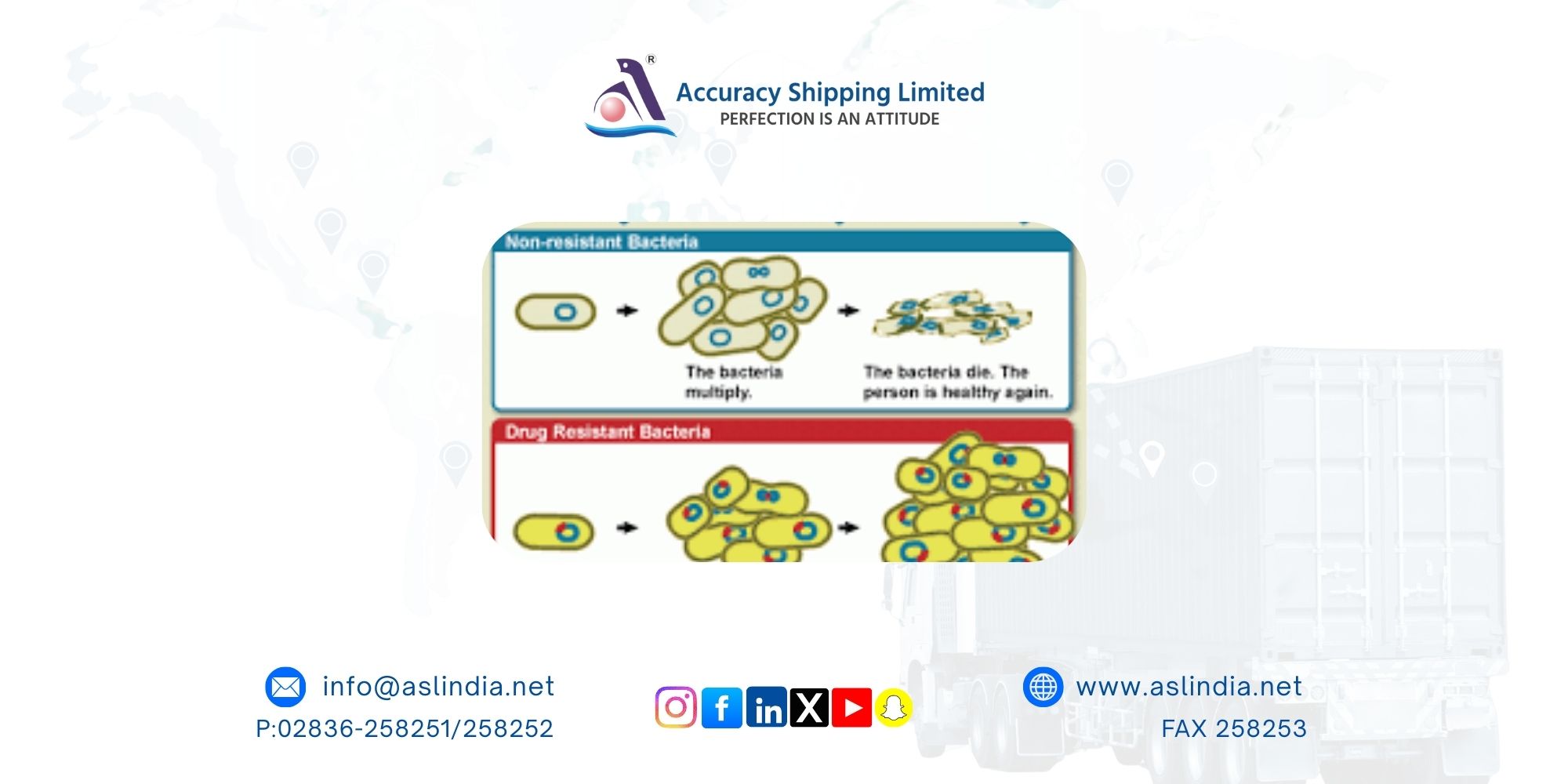
Antibiotic resistance has become one of the most serious global health threats. As more bacteria evolve to survive even the strongest antibiotics, common infections are becoming harder and sometimes impossible to treat. In this critical situation, researchers have achieved a major breakthrough by creating fully synthetic viruses designed to fight antibiotic-resistant bacteria. This innovation could redefine how infections are treated in the future.
The role of bacteriophages in modern medicine
For over 100 years, scientists have known about bacteriophages, viruses that specifically attack and kill bacteria. Before antibiotics became widespread, bacteriophages were already being explored as treatments for infections. Today, as antibiotics lose their effectiveness, bacteriophages are gaining renewed attention as a powerful alternative because they can target bacteria without harming human cells.
However, traditional phage therapy relies on finding suitable viruses in nature, which is time-consuming and unpredictable. This limitation has slowed large-scale adoption, despite the growing need for alternatives to antibiotics.
Breakthrough: Fully synthetic bacteriophages
Researchers from New England BioLabs and Yale University have developed the first fully synthetic method to build and reprogram bacteriophages. Instead of relying on naturally occurring viruses, scientists now start with digital DNA information.
Using computer-designed DNA sequences, the team assembles bacteriophages entirely in the lab. With NEB’s High-Complexity Golden Gate Assembly (HC-GGA) platform, researchers can stitch together a complete bacteriophage genome from short synthetic DNA fragments, without using a living cell. In one experiment, the team successfully built a phage using 28 synthetic fragments and programmed new behaviors by making precise DNA changes such as insertions, deletions, and mutations.
This method allows scientists to design virus-based treatments that are faster, safer, and far more customizable than ever before.
Targeting dangerous superbugs like Pseudomonas aeruginosa
The research focused on Pseudomonas aeruginosa, a highly antibiotic-resistant pathogen responsible for severe hospital-acquired infections. This bacterium is particularly dangerous for patients with weakened immune systems and is known for resisting multiple antibiotics.
By building a synthetic phage specifically for this pathogen, researchers demonstrated how digital design can create targeted solutions for bacteria that no longer respond to standard treatments. According to Andy Sikkema, co-first author and research scientist at NEB, this synthetic approach represents major technological leaps in simplicity, safety, and speed, opening new doors for both biological discovery and therapeutic development.
Why this matters for India and the global fight against AMR
The importance of this innovation becomes even clearer in the context of rising antimicrobial resistance (AMR). In his Mann Ki Baat address, Narendra Modi warned against the misuse of antibiotics, such as taking them without medical advice or not completing prescribed courses. Such practices accelerate the development of resistant bacteria.
A report by the Indian Council of Medical Research highlights that antibiotics are becoming less effective against common infections like pneumonia and urinary tract infections in India. Dr Neeraj Nischal, Additional Professor of Medicine at AIIMS Delhi, emphasized that antibiotic misuse today could lead to untreatable infections tomorrow, placing the country at a critical crossroads.
Fully synthetic bacteriophages offer hope in this scenario. They represent a new class of precision treatments that could reduce dependence on antibiotics and provide effective solutions when existing drugs fail.
Conclusion: A glimpse into the future of infection treatment
The ability to design and build bacteriophages from digital DNA marks a turning point in the fight against antibiotic-resistant bacteria. This breakthrough not only accelerates research but also makes phage therapy safer and more adaptable for real-world use. As antibiotic resistance continues to rise, synthetic virus-based treatments could become a vital pillar of future healthcare, protecting millions of lives worldwide.
Our Tag:
Share:

.png)
.png)
.png)
Newsletters

 30 Sep, 2025
Sedentary lifestyle cause of heart diseases among youth: SP Damodar
 25 Apr, 2025
HP EliteBook X Flip G1i Review: This laptop is CEO material
 16 Jul, 2025
Browsers that plan trips, fill forms and shop for you? Meet Agentic browsers
 27 Oct, 2025
Gavaskar tells BCCI to write Rohit Sharma, Virat Kohli's names ‘straight in’ for World Cup: ‘No matter what happens now’
 18 Oct, 2025

