



Putin’s State Visit Deepens India–Russia Strategic Partnership Across Key Sectors

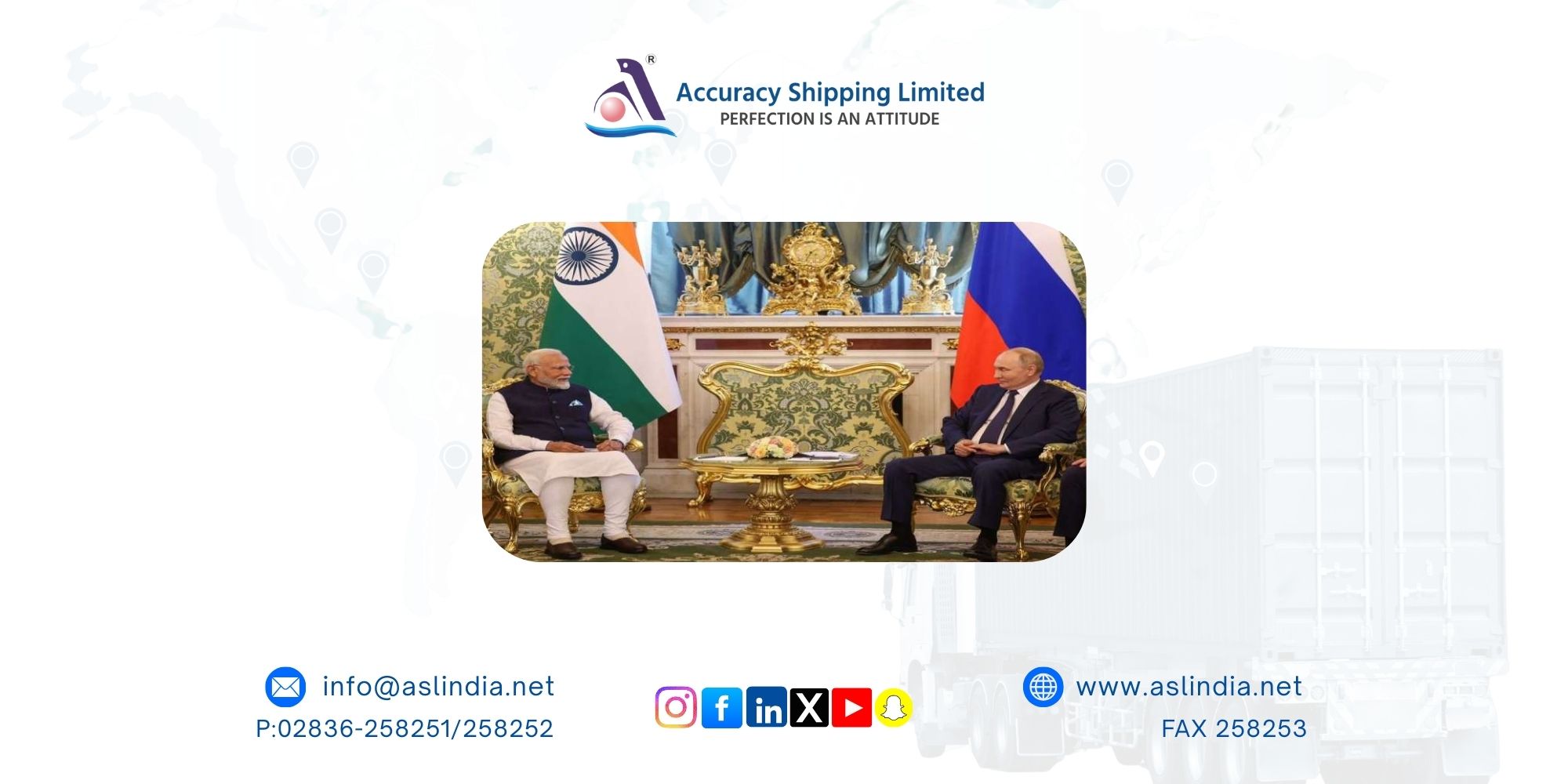
Russian President Vladimir Putin’s two-day State Visit to India has significantly strengthened the Special and Privileged Strategic Partnership, marking one of the most comprehensive expansions of bilateral cooperation in recent years. From maritime advancement and labour mobility to healthcare, education, and trade facilitation, the visit concluded with a wide-ranging set of agreements that reinforce the long-term strategic alignment between New Delhi and Moscow.
Maritime Cooperation Gets a Future-Ready Upgrade
A major highlight of the visit was the signing of two MoUs aimed at boosting maritime collaboration. The first agreement between India’s Ministry of Ports, Shipping & Waterways and Russia’s Ministry of Transport focuses on specialised training for Indian seafarers operating in polar and Arctic waters a region growing in strategic and commercial importance.
The second MoU with the Maritime Board of the Russian Federation opens new pathways in shipping, port infrastructure development, and mineral exploration. These agreements directly support India’s blue economy vision and reflect its increasing interest in the Arctic’s emerging maritime corridors.
Labour Mobility Agreements Strengthen People-to-People Ties
In a major move to enhance workforce cooperation, India and Russia finalised an agreement on the temporary and orderly movement of skilled Indian workers to Russia. This regulated framework will create new opportunities for Indian professionals while ensuring secure labour mobility.
Complementing this effort, both nations signed a pact to combat irregular migration, signalling a unified approach to promote safe, legal, and structured cross-border movement.
Healthcare and Food Safety Collaboration Expands
Healthcare emerged as a strong pillar of the summit with an MoU between the Health Ministries of both countries. The pact covers medical education, public health, and scientific research areas essential for long-term health security and knowledge exchange.
Additionally, India’s food safety authority and Russia’s consumer protection agency agreed to intensify cooperation on sanitary standards and food quality, strengthening mutual trust in agricultural and processed food trade.
Economic Engagement Rises, Led by Fertiliser Security
A critical breakthrough came in the fertiliser sector. A joint venture between Russia’s JSC UralChem and three major Indian public sector companies is set to establish urea production facilities in Russia. This long-term arrangement is expected to provide pricing stability, secure supply chains, and reduce India’s dependence on volatile global fertiliser markets.
To further improve the ease of doing business, customs authorities from both nations signed a protocol for sharing pre-arrival data on goods and vehicles an important step toward faster clearances, lower logistics costs, and smoother trade flows.
India Post and Russian Post also formalised cooperation to boost logistics connectivity and facilitate cross-border e-commerce, supporting MSMEs and digital trade.
Education and R&D Partnerships Gain New Momentum
Academic and scientific exchange received a fresh push through multiple collaborations. The Defence Institute of Advanced Technology (DIAT), Pune, inked agreements with Tomsk State University to advance defence research and innovation.
In a significant step toward integrating academia with industry, the University of Mumbai, Lomonosov Moscow State University, and the Russian Direct Investment Fund (RDIF) signed a trilateral pact for joint research, innovation programs, and student exchange initiatives. These collaborations aim to build a skilled workforce aligned with emerging global technological demands.
Geopolitical Convergence Remains Strong
Beyond bilateral cooperation, the visit reaffirmed the strategic convergence shared by India and Russia. Both nations reiterated their support for a multipolar world order one that values strategic autonomy, balanced global governance, and strengthened roles for platforms like BRICS and the Shanghai Cooperation Organisation (SCO). Against the backdrop of shifting geopolitical dynamics, the visit highlighted the steady resilience and relevance of the India–Russia partnership.
A Partnership Set to Evolve Further
President Putin’s State Visit has not only expanded sectoral cooperation but also laid the groundwork for deeper, future-oriented engagement. With new agreements across maritime technologies, labour mobility, healthcare, education, trade, and strategic alignment, India and Russia have reaffirmed their shared commitment to a partnership that is robust, adaptable, and anchored in long-term mutual interests.
Our Tag:
Share:

.png)
.png)
.png)
Newsletters
 15 Oct, 2025
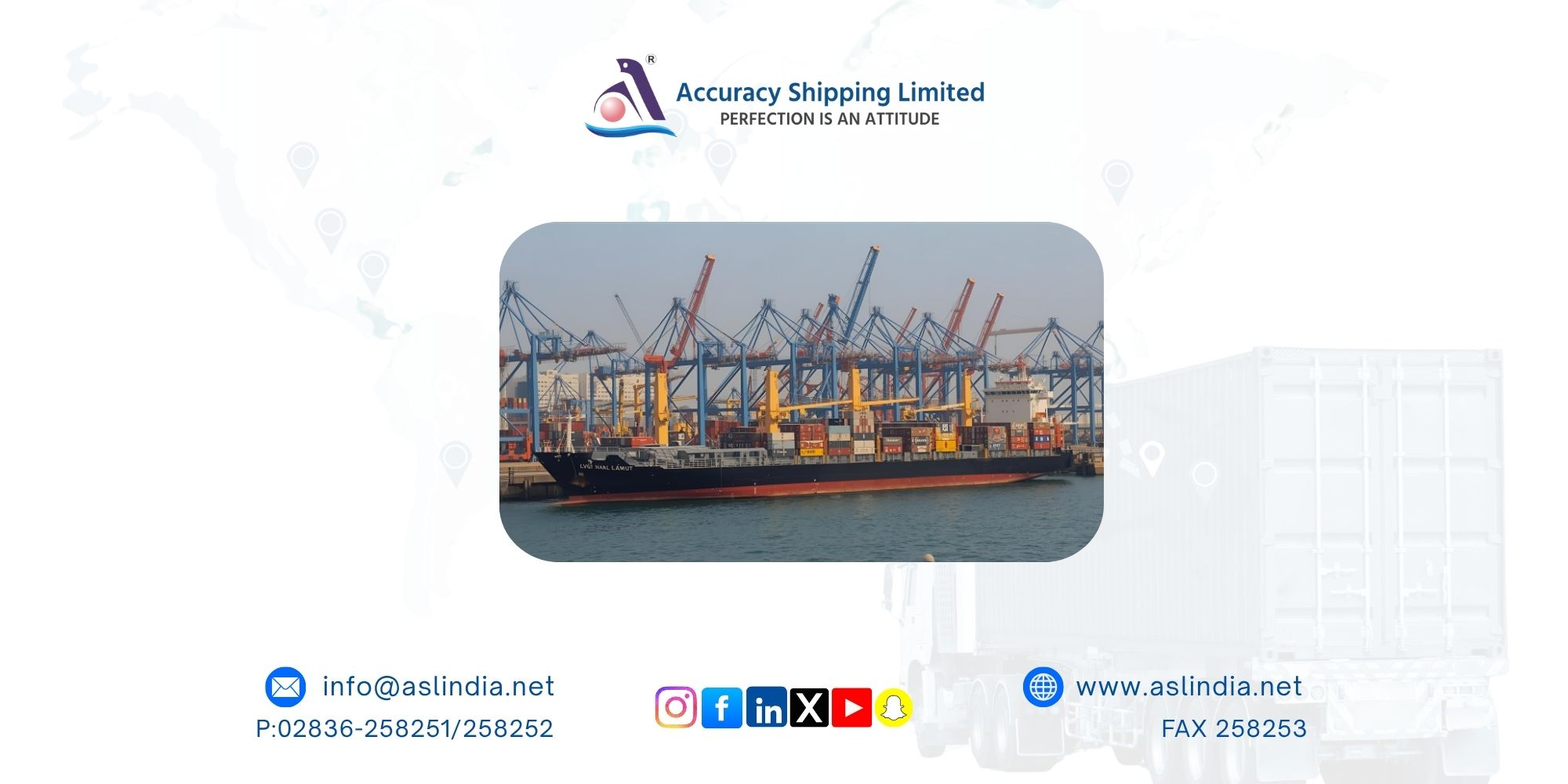
India Targets ₹80 Lakh Crore Maritime Investments, 1.5 Crore Jobs by 2047: Sonowal
 27 May, 2025
AI models bypassed explicit orders to shut down, say researchers
 19 Sep, 2025
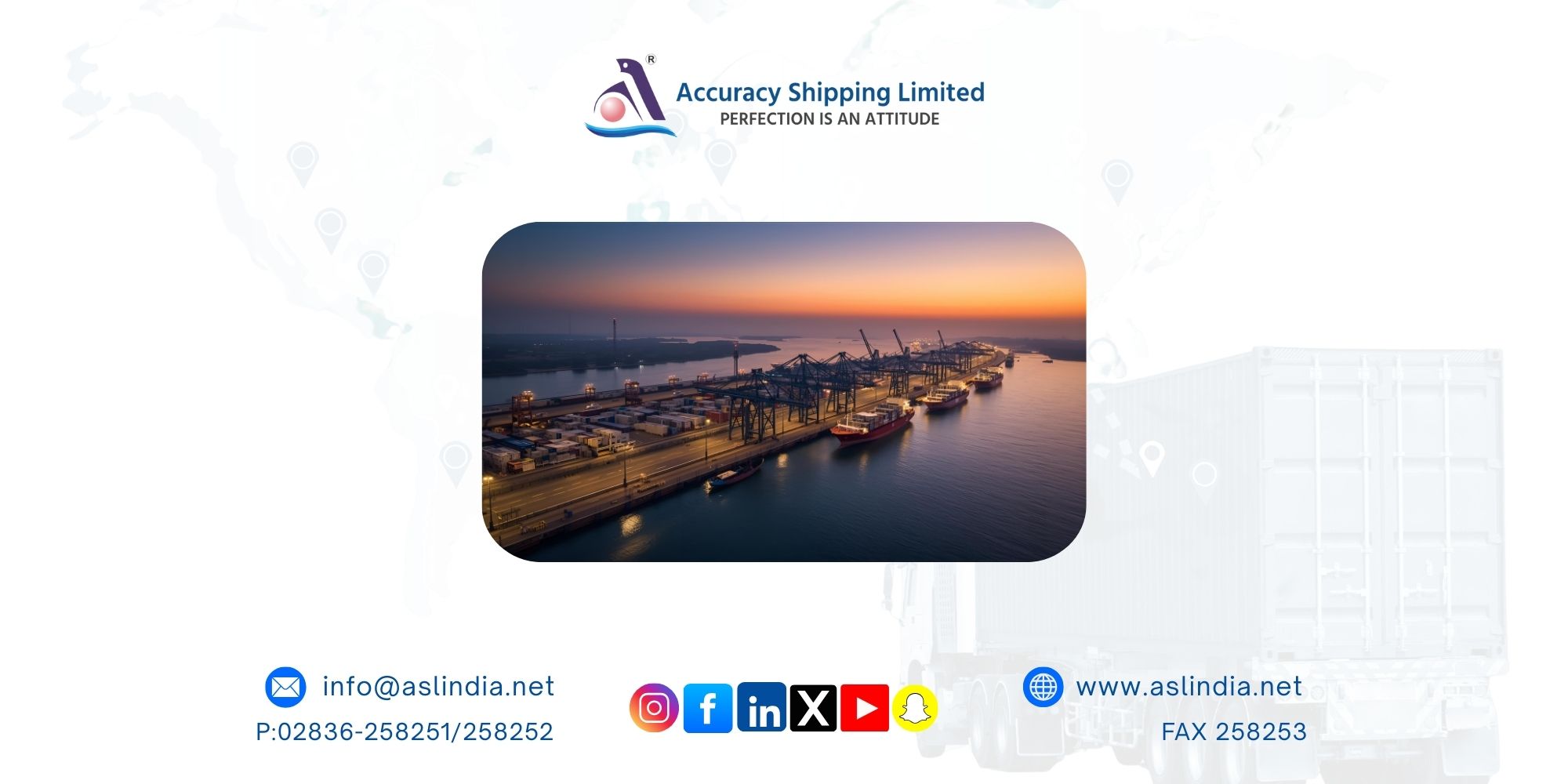
Paradip, Vizag Port Authorities, SFCL, and Odisha Govt to develop ₹21,500-crore Bahuda Port
 19 May, 2025
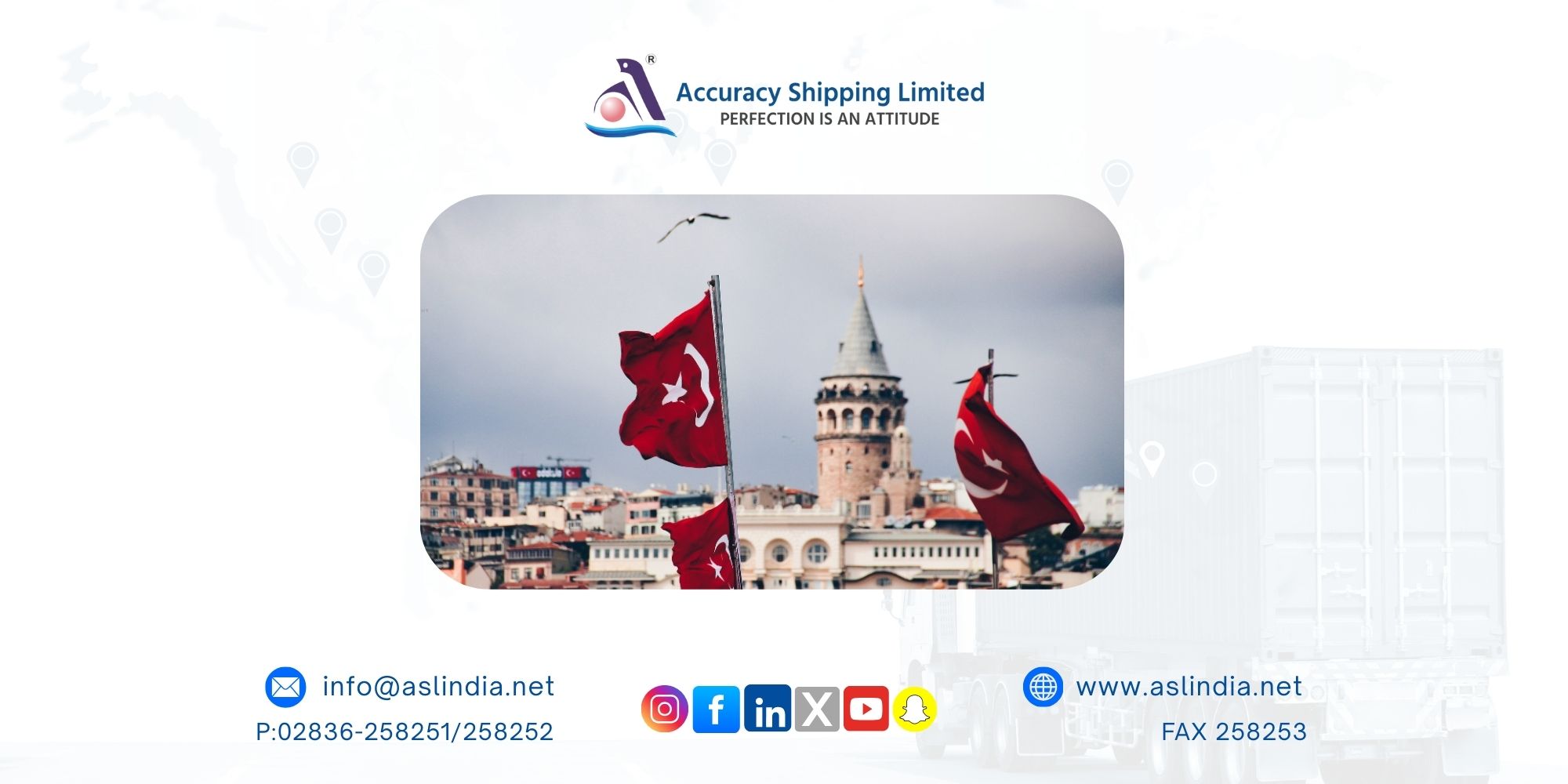
India ousts Turkey's Celebi: $200 million lost in market-cap, jobs on the line
 11 Oct, 2025

