



Putin visits India amid Ukraine peace push: What’s on the agenda?

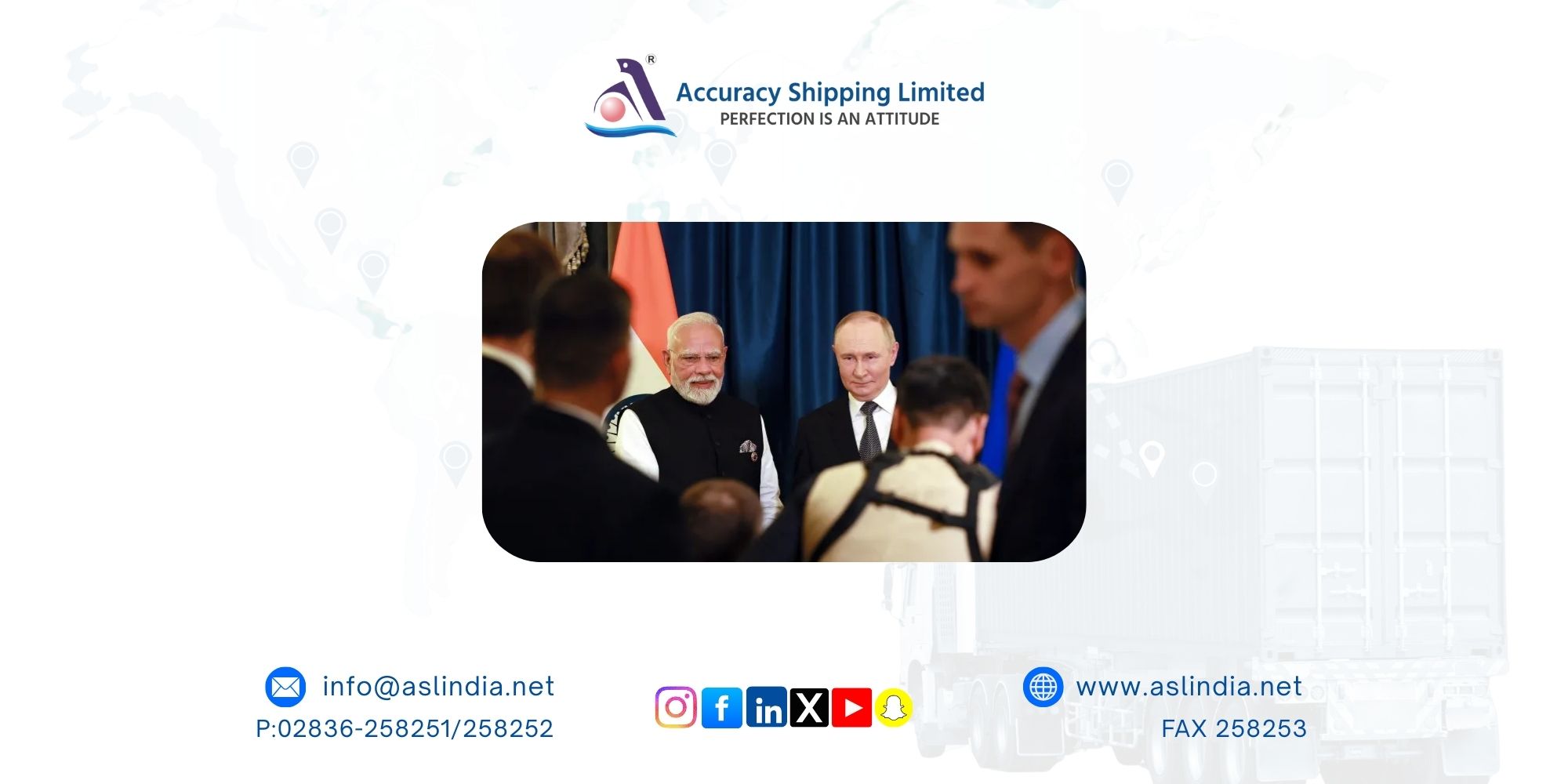
Russian President Vladimir Putin arrived in New Delhi on Thursday evening for a highly watched visit his first trip to India since the start of Russia’s full-scale invasion of Ukraine nearly four years ago. The visit comes at a time when Moscow faces increasing pressure to end the war, and when India is navigating its most delicate diplomatic balancing act between Russia and the West.
Prime Minister Narendra Modi broke protocol to personally receive Putin on the tarmac, greeting him with a warm embrace. The symbolism was striking: at a moment when Washington and New Delhi are experiencing renewed friction, Modi’s gesture reinforced India’s intent to keep its long-standing partnership with Russia steady.
A High-Stakes Visit at a Sensitive Time
Putin’s 30-hour visit coincides with rising tensions between the US and India. Washington has recently imposed tariffs and issued sanctions threats over India’s continued ties with Russia and its surge in purchases of Russian crude during the Ukraine conflict.
Since independence in 1947, India has famously avoided formal alliances, choosing strategic autonomy instead. While it leaned toward the Soviet Union during the Cold War, India has since strengthened relations with the US even as it continues to maintain deep defence and energy ties with Russia.
The Ukraine war, however, has made this balance significantly harder to maintain.
What’s Scheduled for Putin?
After landing in New Delhi, Putin and Modi drove together to a private dinner at the prime minister’s residence, signalling the personal rapport between the two leaders.
On Friday, December 5, Putin’s schedule includes:
Guard of honour at Rashtrapati Bhavan
Meeting with President Droupadi Murmu
A visit to Raj Ghat to pay homage to Mahatma Gandhi
Official talks at Hyderabad House as part of the annual India-Russia summit
Meetings with top business leaders
A second interaction with Murmu before departing New Delhi at 9pm local time
The Kremlin has described the trip as “of great importance,” emphasising that it will allow both nations to review their “particularly privileged strategic partnership.” Putin is accompanied by senior officials, including Defence Minister Andrei Belousov, Rosoboronexport executives, and reportedly the heads of Rosneft and Gazprom Neft.
Why the Timing Matters
This year marks 25 years of the India-Russia strategic partnership. But the relationship has faced multiple disruptions since the Ukraine war began.
2022: Modi was scheduled to visit Moscow, but the annual summit was cancelled after the invasion.
2023: Putin skipped the G20 Summit in New Delhi due to ICC-related concerns.
2024: Modi visited Russia, reviving the annual summit format.
2025: Putin is now in India for the first time in four years.
The timing is symbolic signalling an attempt to stabilise relations despite international pressures.
What’s on the Agenda?
Experts expect discussions to focus on:
Expanding bilateral defence ties
Potential purchases of Russian missiles, fighter jets, and S-400 systems
Increasing trade in pharmaceuticals, machinery, and agricultural goods
Addressing payment hurdles and imbalanced trade flows
Exploring new growth areas, including labour migration
Putin is also expected to use the visit to project that Russia is not isolated globally especially as he faces pressure at home and abroad.
The Trump Factor: A Shadow Over the Summit
President Donald Trump’s latest push to force Moscow and Kyiv toward a peace agreement has reshaped India’s position in the conflict.
India’s imports of Russian crude skyrocketed by 2,250% after 2022, making it the world’s second-largest buyer. Initially, the US quietly supported these purchases to stabilise global oil prices.
But recently, the Trump administration:
Imposed 25% tariffs on Indian goods, later doubled to 50%
Sanctioned Rosneft and Lukoil, Russia’s biggest oil firms
Warned foreign companies against trading with them
Reliance, India’s biggest private-sector oil refiner, has since said it will stop exporting products derived from Russian crude.
Indian imports of Russian crude are now expected to fall to a three-year low.
India has simultaneously increased its import of US natural gas, signalling an evolving energy strategy under pressure.
Defence: The Strongest Pillar of India-Russia Ties
Despite turbulence in energy, defence cooperation remains robust.
Russia accounts for 36% of India’s arms imports
Over 60% of India’s current arsenal** is of Russian origin
India is considering buying more S-400 missile systems
Russia is promoting its Su-57 stealth fighter jets as a potential deal item
India’s Air Force leadership recently said the S-400 system was a “game changer” during the brief air conflict with Pakistan in May.
Trade Outlook: Growth and Imbalance
India-Russia bilateral trade has surged from $10bn pre-war to nearly $69bn, driven overwhelmingly by discounted Russian crude oil.
But the trade is heavily skewed:
India’s exports: ~$5bn
Russia’s exports: ~$64bn
Resulting trade deficit: $59bn
Experts caution that as oil imports decline, overall trade numbers will also fall, making the target of $100bn by 2030 increasingly difficult.
One emerging area of cooperation is labour migration. Facing a shortage of 3.1 million workers by 2030, Russia is opening its labour market to Indian workers a shift that could deepen people-to-people ties.
The Diplomatic Tightrope
For India, the challenge remains unchanged: strengthen ties with Russia without damaging strategic relations with the US, Europe, or its own geopolitical vision.
As New Delhi negotiates trade agreements simultaneously with the US, EU, and the Russia-led Eurasian Economic Union, it faces the constant risk of upsetting one side or the other.
According to analysts, the only development that could ease India’s diplomatic juggling act is a genuine breakthrough in the Russia-Ukraine peace process.
Conclusion: A Visit Loaded With Signals
Putin’s visit to India is symbolic, strategic, and sensitive all at once.
It is a reminder of:
India’s continued commitment to strategic autonomy
Russia’s desire to show it still has powerful friends
The complex impact of great-power politics on India’s economic and security interests
With defence ties stable, energy cooperation shifting, and trade imbalances widening, both countries must navigate a complex geopolitical environment. The world will be watching closely especially Washington for signs of how India balances its competing partnerships as the Ukraine conflict enters a new phase.
Our Tag:
Share:

.png)
.png)
.png)
Newsletters

 03 May, 2025
Take-Two delays ‘GTA VI’ to May 2026, extending wait for gaming’s most anticipated title
 09 Jan, 2026
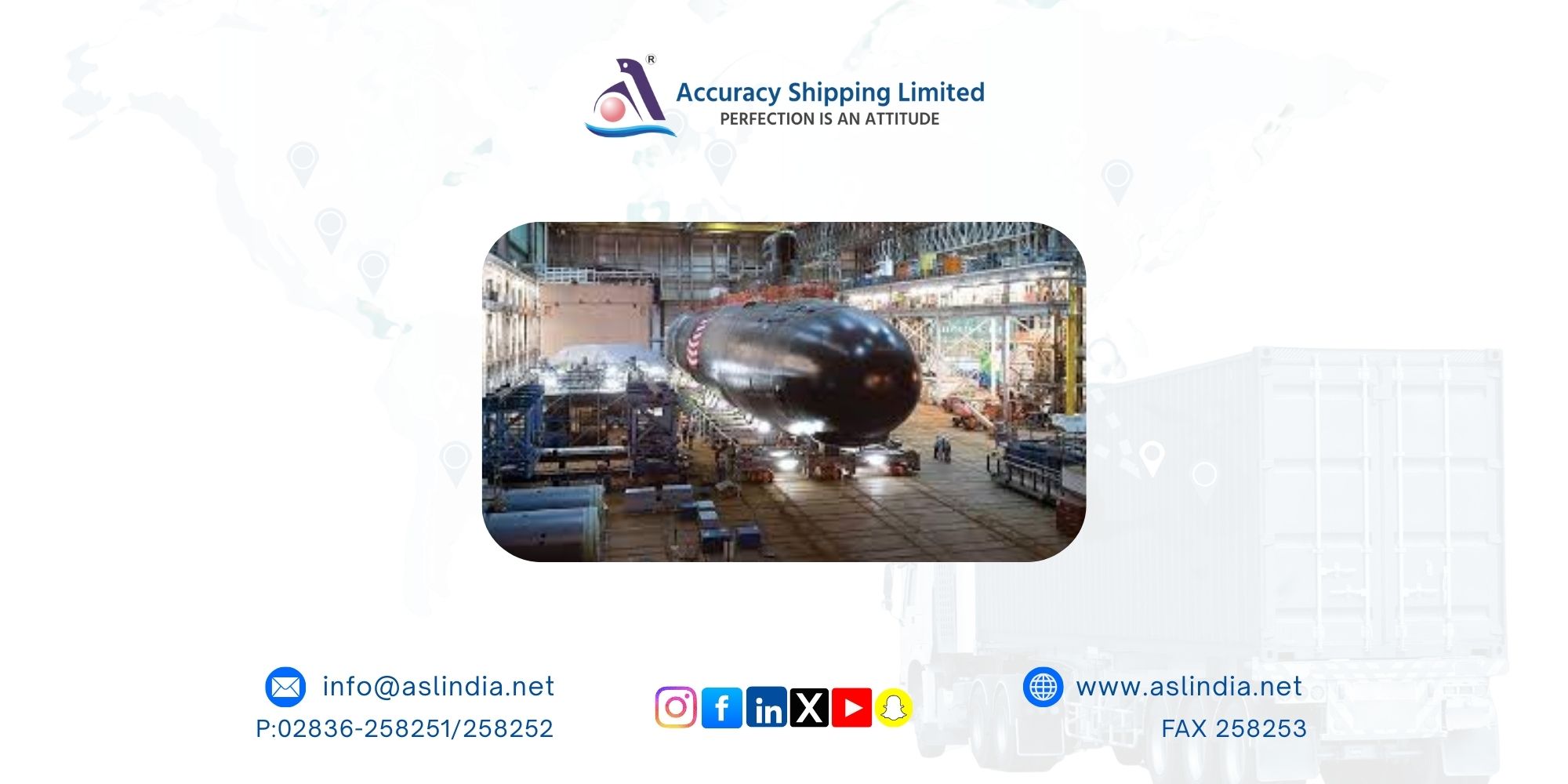
India, Germany near $8 billion submarine agreement
 10 Mar, 2026
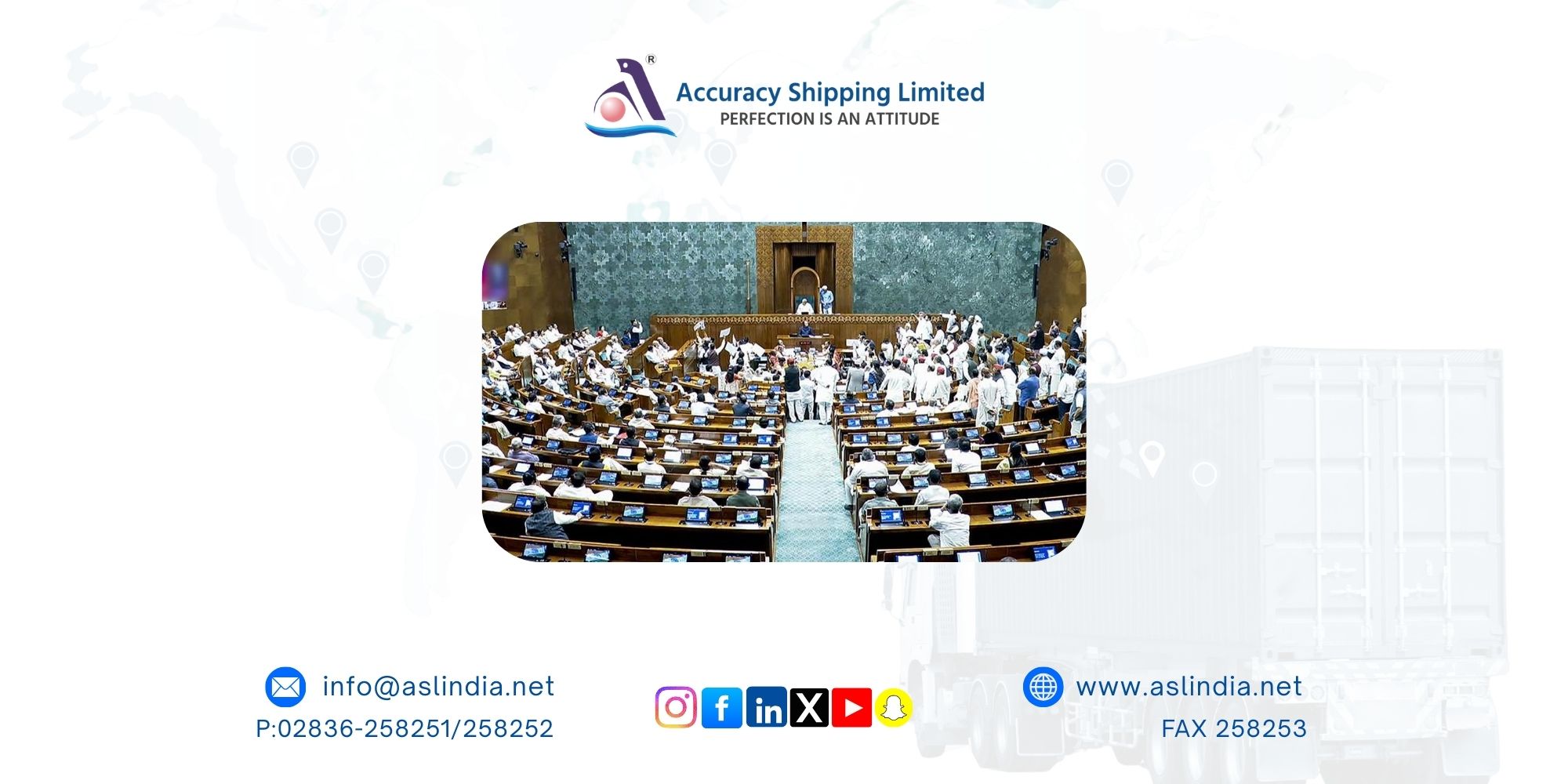
West Asia dominates Lok Sabha; resolution on Speaker’s removal not taken up
 18 Oct, 2025
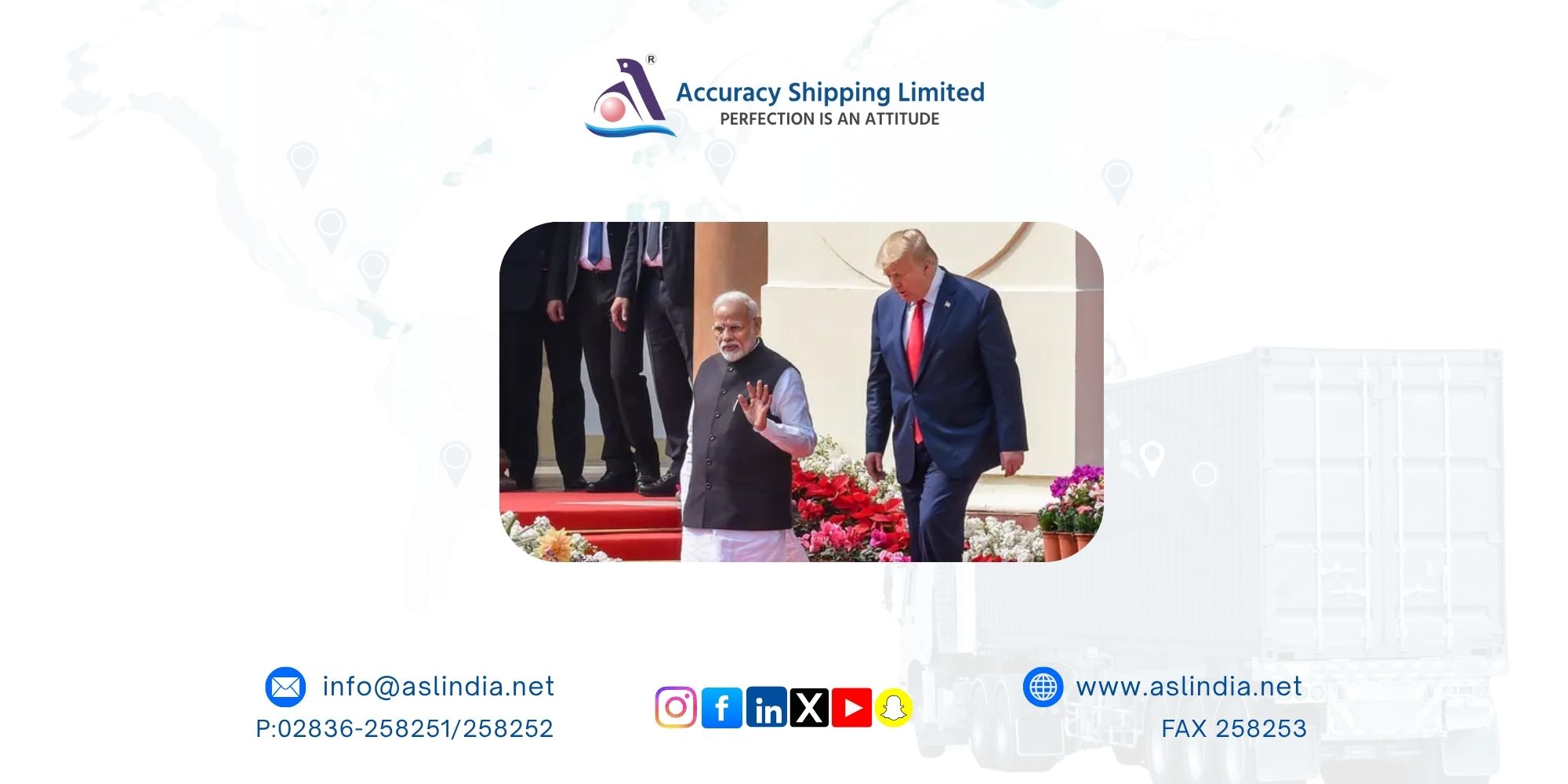
Trump's big Russian oil claim, 'destroy career' remark for Modi, India's denial: What happened in 24 hours
 25 Oct, 2025

