



Iran allows 2 Indian-flagged LPG carriers to cross Strait of Hormuz

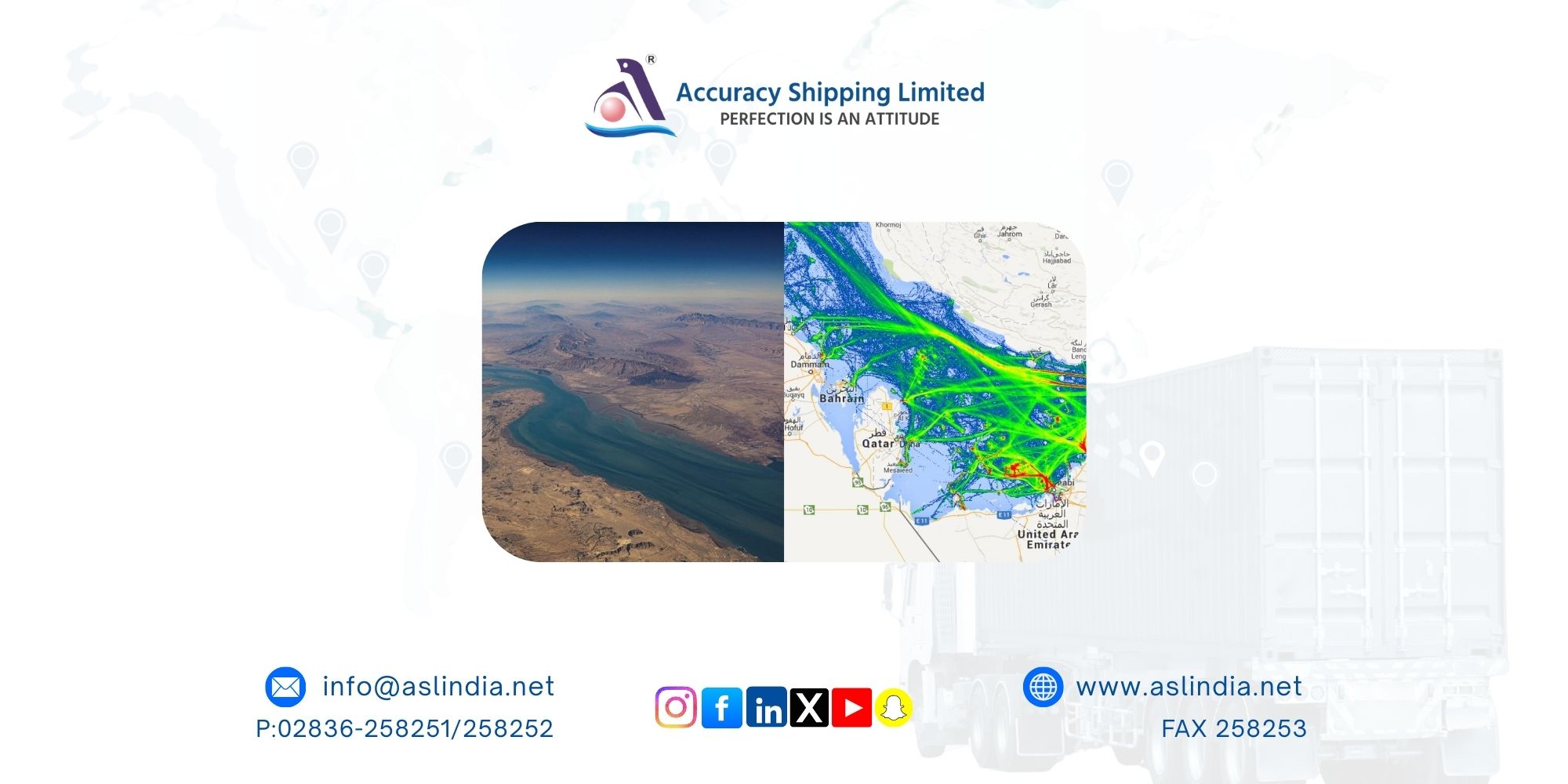
Tensions in the Middle East had recently raised serious concerns about global energy supply chains, particularly around the strategic shipping corridor known as the Strait of Hormuz. In a significant development, Iran has allowed two Indian-flagged liquefied petroleum gas (LPG) carriers to pass through the strait. The decision is expected to provide immediate relief to India, which relies heavily on energy imports transported through this critical maritime route.
The move comes at a crucial moment when disruptions in the region had threatened to trigger a cooking gas supply crisis across India. By permitting the vessels to cross safely, Iran has helped stabilize a key energy supply chain that millions of Indian households depend on.
Strategic Talks Between India and Iran
The approval for the Indian LPG carriers came shortly after high-level diplomatic discussions between Indian and Iranian leadership. Narendra Modi spoke with Masoud Pezeshkian in their first conversation since the start of the Iran-US conflict.
During the call, Modi emphasized India’s primary concerns:
Safety and security of Indian citizens abroad
Ensuring uninterrupted flow of goods and energy supplies
According to Modi, both leaders discussed ways to maintain stable trade routes and ensure that essential energy shipments continue despite geopolitical tensions in the region.
The diplomatic engagement was reinforced by talks between S. Jaishankar and his Iranian counterpart Seyed Abbas Araghchi. These conversations played an important role in securing safe passage for the LPG vessels.
Why the Strait of Hormuz Matters for India
The Strait of Hormuz is one of the most important energy transit routes in the world. A large portion of global oil and gas shipments passes through this narrow waterway connecting the Persian Gulf to the Arabian Sea.
For India, the importance is even greater:
Nearly 50% of India’s oil imports travel through this route.
The strait connects India to major energy suppliers in the Middle East.
Any disruption could impact fuel prices, LPG availability, and economic stability.
Because of its strategic role, even minor tensions in the region can have ripple effects on global markets and national energy security.
Iran Signals Friendly Relations with India
Earlier on Friday, Mohammad Fathali hinted that Indian ships would likely receive safe passage through the strait.
Speaking to reporters, Fathali emphasized the strong relationship between the two nations, stating that Iran and India share common interests and long-standing cooperation.
He also noted that India had supported Iran in several areas following the recent conflict, suggesting that diplomatic goodwill played a role in the decision to allow Indian vessels through the strait.
Fathali indicated that positive developments regarding transit through the crucial waterway could be expected within hours an assurance that soon materialized with Iran permitting the two LPG carriers to move forward.
More Indian Ships Still Await Clearance
While the passage of the two LPG carriers is a positive step, the situation remains delicate. Officials familiar with the matter said that around two dozen Indian-flagged vessels are currently positioned west of the Strait of Hormuz and are still awaiting safe transit clearance.
Indian authorities remain in close contact with Iranian officials to ensure the safe movement of these ships. Continued diplomatic coordination will be essential to avoid disruptions in energy supply and commercial shipping.
Saudi Oil Tanker Expected to Reach India
In a related development, a crude oil tanker carrying oil from Saudi Arabia is expected to arrive in India after successfully passing through the Strait of Hormuz.
The tanker’s journey indicates that maritime traffic is gradually resuming despite regional tensions. If more vessels are allowed safe passage in the coming days, it could significantly ease concerns over energy shortages.
Conclusion
Iran’s decision to allow two Indian-flagged LPG carriers to cross the Strait of Hormuz marks an important diplomatic and economic development. At a time when geopolitical tensions threatened global shipping routes, the move offers reassurance for India’s energy security and highlights the importance of diplomatic engagement.
With many more Indian vessels still waiting to transit the strait, continued cooperation between India and Iran will remain critical. Ensuring the uninterrupted flow of energy supplies through one of the world’s most vital maritime corridors will be key to maintaining stability in regional trade and global energy markets.
Our Tag:
Share:

.png)
.png)
.png)
Newsletters
 06 Sep, 2025
T.N. Powerloom Federation welcomes GST cut on yarn and polyester
 05 Feb, 2026
What is Anthropic Claude Cowork, tool that has hit stocks of Infosys, TCS and other SaaS companies?
 30 Dec, 2025
Nearly 200 U.P. villagers get rabies shots after consuming curd from buffalo that died after dog bite
 20 Dec, 2025
Eating dinner very late at night? You might be inviting serious gastrointestinal problems into your GI tract
 21 Apr, 2025

