



Innovation, Technology and Sustainability Central to India’s Growth Story: Nitin Gadkari

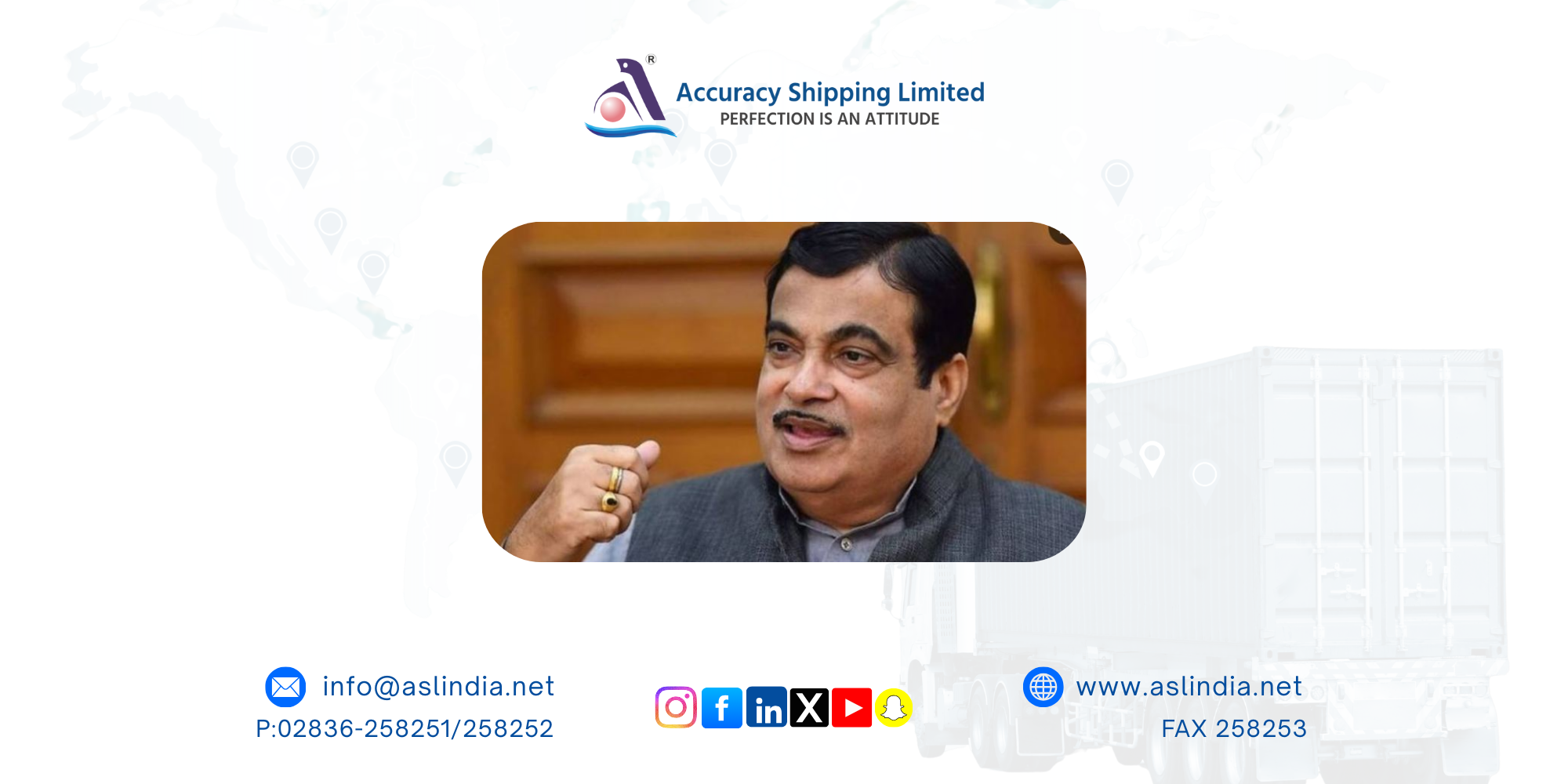
India’s development journey is being shaped by continuous innovation, rapid technological adoption and a strong commitment to sustainability, Union Minister for Road Transport and Highways Nitin Gadkari said on Wednesday. Addressing the India News Manch, the minister underlined that progress is not a one-time achievement but an ongoing process that cuts across every sector of the economy.
Development as a Continuous Process
Gadkari emphasised that change in India is unfolding at an unprecedented scale. According to him, transformation is no longer limited to lifestyle or consumption patterns but is visible across agriculture, industry, infrastructure and governance. He noted that development and progress must be viewed as continuous processes, driven by adaptability and forward-looking policies.
Role of Innovation and Technology
Highlighting the centrality of knowledge in modern growth, Gadkari said that innovation, entrepreneurship, science, technology, research and successful practices together form the foundation of progress. He stressed that the future lies in converting knowledge into wealth, with technology acting as a bridge between ideas and economic value. Agriculture, industry and infrastructure, he added, are now deeply interconnected through technological advancement.
Sustainability and Inclusive Growth
Reiterating his long-standing belief in sustainability, the minister said that efficient use of resources must go hand in hand with inclusive development. His philosophy, “no material is waste and no person should be left behind,” reflects a model where environmental responsibility and social equity progress together. This approach, he said, is critical for long-term national growth.
Transformation of the Road and Infrastructure Sector
Gadkari pointed out that India’s road sector has undergone a significant transformation in recent years, though the visible progress is only the beginning. He highlighted extensive ongoing work on highways, tunnels, bridges, ropeways, cable cars and funicular railways. Currently, around 260 projects are underway, including green express highways and advanced ropeway systems, aimed at improving connectivity and reducing travel time.
Innovative Funding Models
Citing the Kedarnath ropeway project, Gadkari showcased innovative funding mechanisms in infrastructure development. The project, with a cost of ₹5,000 crore, involves no direct government expenditure. Instead, the operating company will pay ₹800 crore annually as royalty, demonstrating how public infrastructure can be developed through sustainable and revenue-generating models.
Waste Management and Circular Economy
The minister said that solid and liquid waste are increasingly being utilised productively in road construction. Around 80 lakh tonnes of waste have already been used in major projects such as roads in Delhi and Dwarka, the Delhi–Mumbai Highway and the Ahmedabad–Dholera road. This approach not only reduces environmental burden but also lowers construction costs.
From Farmers to Energy Providers
On crop residue management, Gadkari noted that stubble is now being converted into ethanol, bio-CNG, bio-bitumen and sustainable aviation fuel. This shift, he said, is redefining the role of farmers, who are no longer just food providers but are emerging as energy providers, contributing to both rural income and energy security.
Road Safety and Accountability
Addressing concerns over road safety, the minister acknowledged engineering lapses and said strict action is being taken against erring contractors and officials. He stressed that perfection in road engineering is non-negotiable, adding that contractors could be jailed and blacklisted, while responsible officers may face suspension for deficiencies.
He also highlighted stronger enforcement and upgraded safety systems, including stricter helmet rules and improved emergency response. To encourage timely help for accident victims, Gadkari announced a reward of ₹25,000 for anyone who assists in taking an injured person to a hospital.
Future of Public Transport
On urban mobility, the minister stressed the need to reduce dependence on private vehicles. He highlighted the introduction of new electric buses equipped with modern amenities. These buses, he said, offer fares about 30 per cent cheaper than diesel buses while providing comfort comparable to air travel, making public transport both affordable and attractive.
Practical Knowledge and Leadership
Reflecting on his own journey, Gadkari remarked that innovation does not necessarily come from formal degrees. Emphasising the value of experience, he said practical knowledge is often the greatest teacher and a powerful driver of real-world solutions.
Conclusion: A Technology-Driven Growth Path
Concluding his address, Gadkari reiterated that technology-driven and sustainable infrastructure will define India’s growth trajectory. Improved roads, he asserted, will boost exports, reduce logistics costs and strengthen India’s global competitiveness. With innovation, technology and sustainability at the core, India is firmly on the path to becoming a global leader.
Our Tag:
Share:

.png)
.png)
.png)
Newsletters

 24 Oct, 2025
Global shipping giants rush to reflag vessels under the Indian flag
 15 Sep, 2025
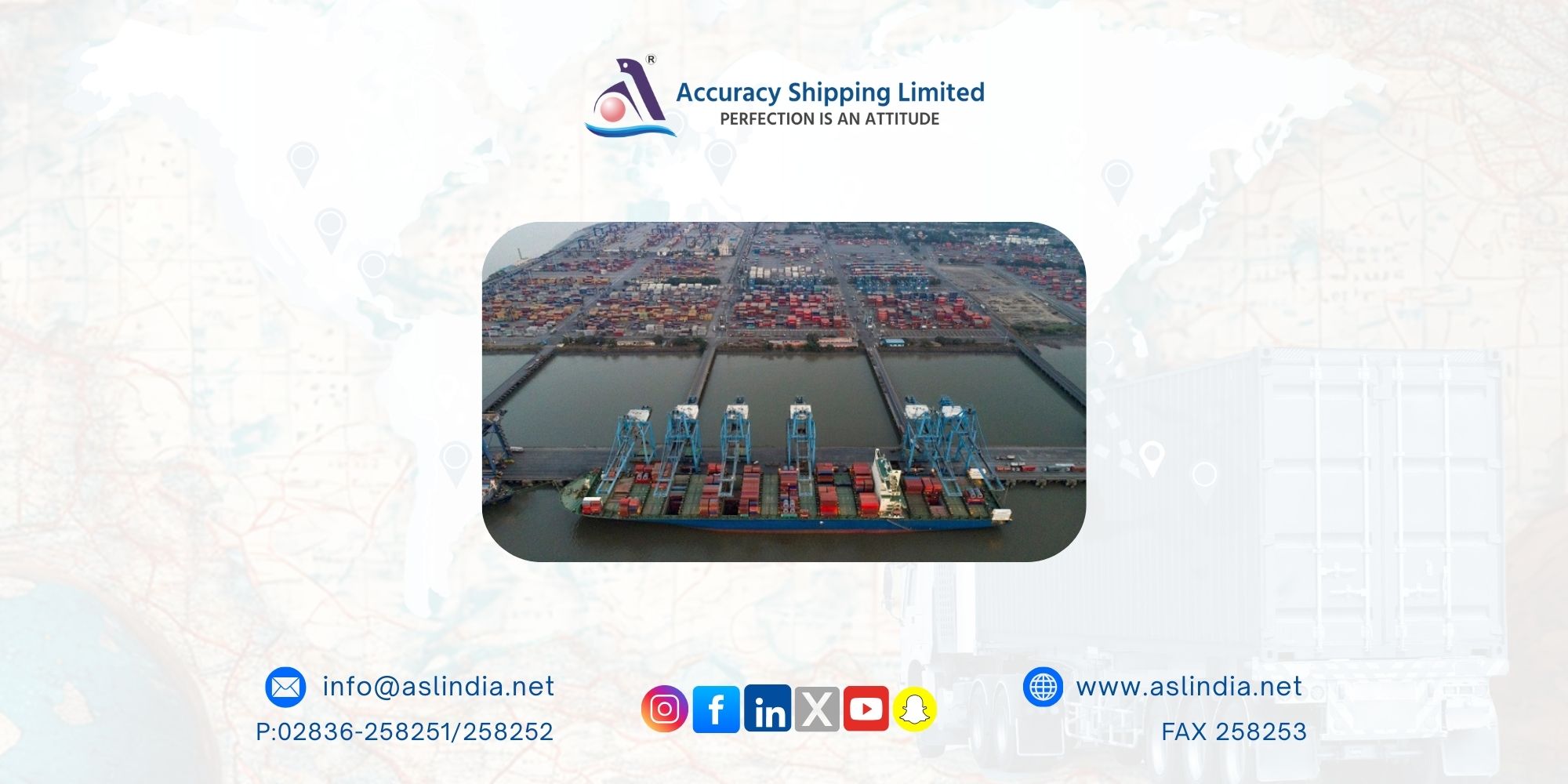
JNPA achieves record throughput, sets new benchmark in draft depth
 07 Jul, 2025
Nepal parliamentary delegation explores investment potential at HIP
 07 Jan, 2026
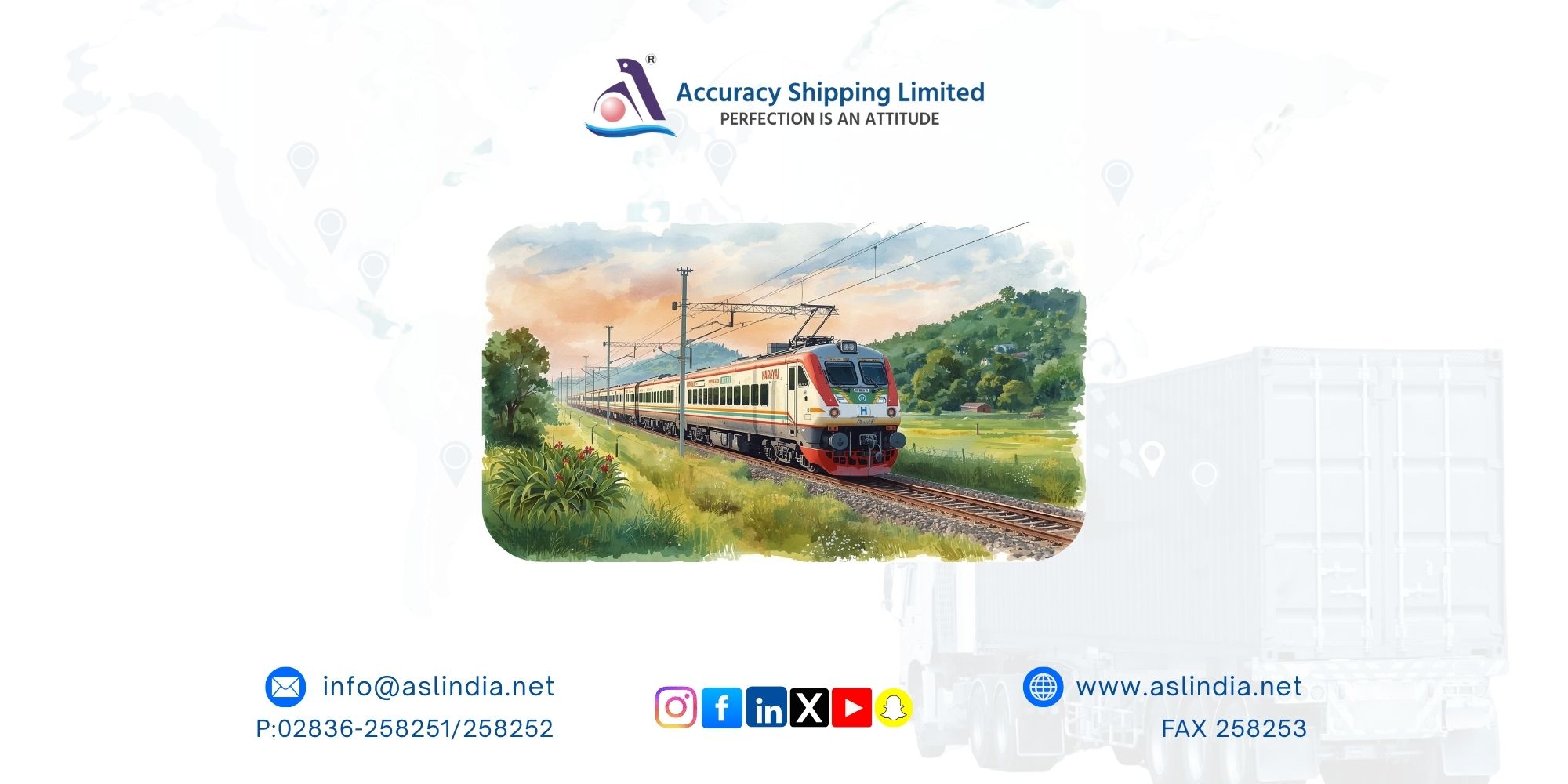
India set to roll out first hydrogen train with trial run in Haryana
 04 Dec, 2025

