



India–Russia Connectivity Push to Drive Maritime Trade Growth

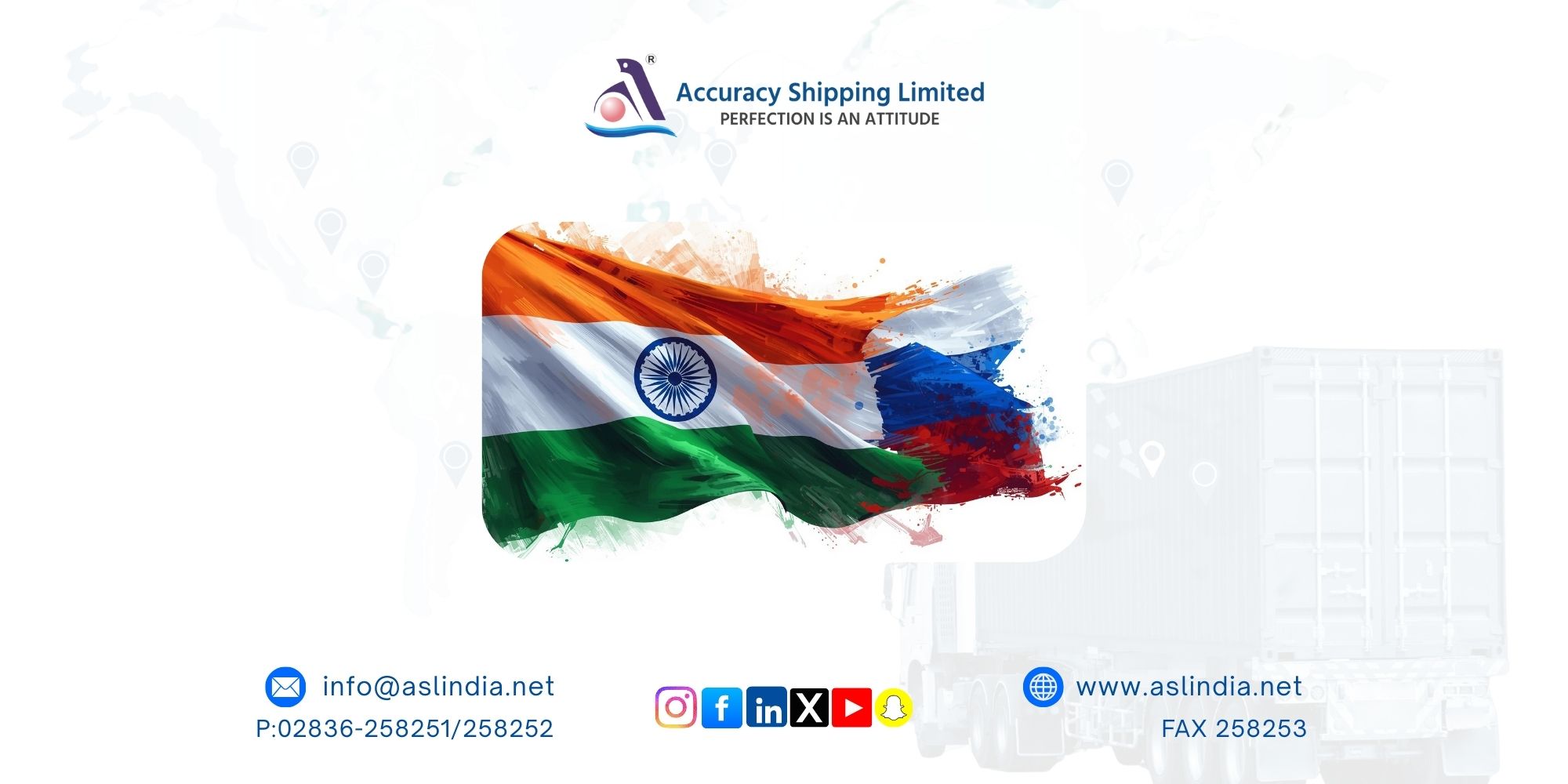
India and Russia are accelerating efforts to strengthen bilateral trade by focusing on maritime connectivity, port infrastructure and integrated transport corridors. Following agreements signed at the Indian-Russian trade forum last month, both countries have set an ambitious target of raising bilateral trade to US$100 billion by 2030, representing a nearly 40 percent increase from current levels. Maritime trade is expected to play a central role in achieving this goal.
Strengthening India–Russia transport corridors
A major pillar of this strategy is the upgrade of the International North-South Transport Corridor and the East Maritime Corridor linking Vladivostok with Chennai. These routes are designed to reduce transit time, diversify supply chains and improve access between South Asia, Eurasia and the Russian Far East. The East Maritime Corridor, in particular, is being positioned not only as a bilateral route but also as a regional maritime link, with discussions underway to include Vietnam, Thailand and Indonesia as intermediate stops.
Alignment of long-term maritime strategies
India is aligning its Maritime India Vision 2030 and Maritime Amrit Kaal Vision 2047 with Russia’s national transport strategy to ensure long-term coordination in port-led development and logistics planning. This alignment is supported by India’s broader US$1 trillion infrastructure programme, which focuses on expanding port capacity, improving hinterland connectivity and strengthening multimodal logistics networks.
Rising container traffic and port expansion
Analysts estimate that container traffic on the International North-South Transport Corridor could reach up to 662,000 TEUs by 2030, reflecting growing demand for reliable and cost-effective sea-land routes. India’s port expansion plans are central to handling this growth. Projects such as the Vizhinjam deepwater port, with a planned capacity of 5 million TEUs, underline India’s ambition to emerge as a regional maritime hub capable of handling large vessels and transshipment cargo efficiently.
Operational efficiency and digitalisation as key enablers
While infrastructure investment remains critical, officials and analysts stress that the success of the India–Russia maritime push will depend equally on operational efficiency. Faster customs procedures, seamless multimodal integration, digital trade documentation and improved port operations will be essential to make these corridors commercially viable and competitive.
Sustainable planning for future global sea trade
Sustainability is also becoming a core consideration in the connectivity push. Both India and Russia are increasingly focusing on environmentally responsible port development, energy-efficient logistics and long-term planning to ensure that maritime growth aligns with global sustainability goals.
As India and Russia deepen cooperation on maritime connectivity, upgraded corridors, modern ports and efficient logistics systems are expected to strengthen their role in future global sea trade. If executed effectively, this connectivity push could reshape regional trade flows and significantly boost bilateral economic ties by the end of the decade.
Our Tag:
Share:

.png)
.png)
.png)
Newsletters
 05 Nov, 2025
VOC Port inks ₹90,936 cr MoUs at India Maritime Week 2025 to drive Green Hydrogen Hub vision in Tuticorin
 12 Jan, 2026
Kohli closes gap with Tendulkar in India’s win
 28 Jul, 2025
World Nature Conservation Day 2025: This One Lifestyle Habit Could Help You Save The Earth
 13 Sep, 2025
Nutritionist reveals what walking for 10, 30, 40, 60 minutes can do for your health: Fat loss to reduced blood pressure
 05 Nov, 2025

