



Indian Railways breaks freight record on dedicated freight corridor

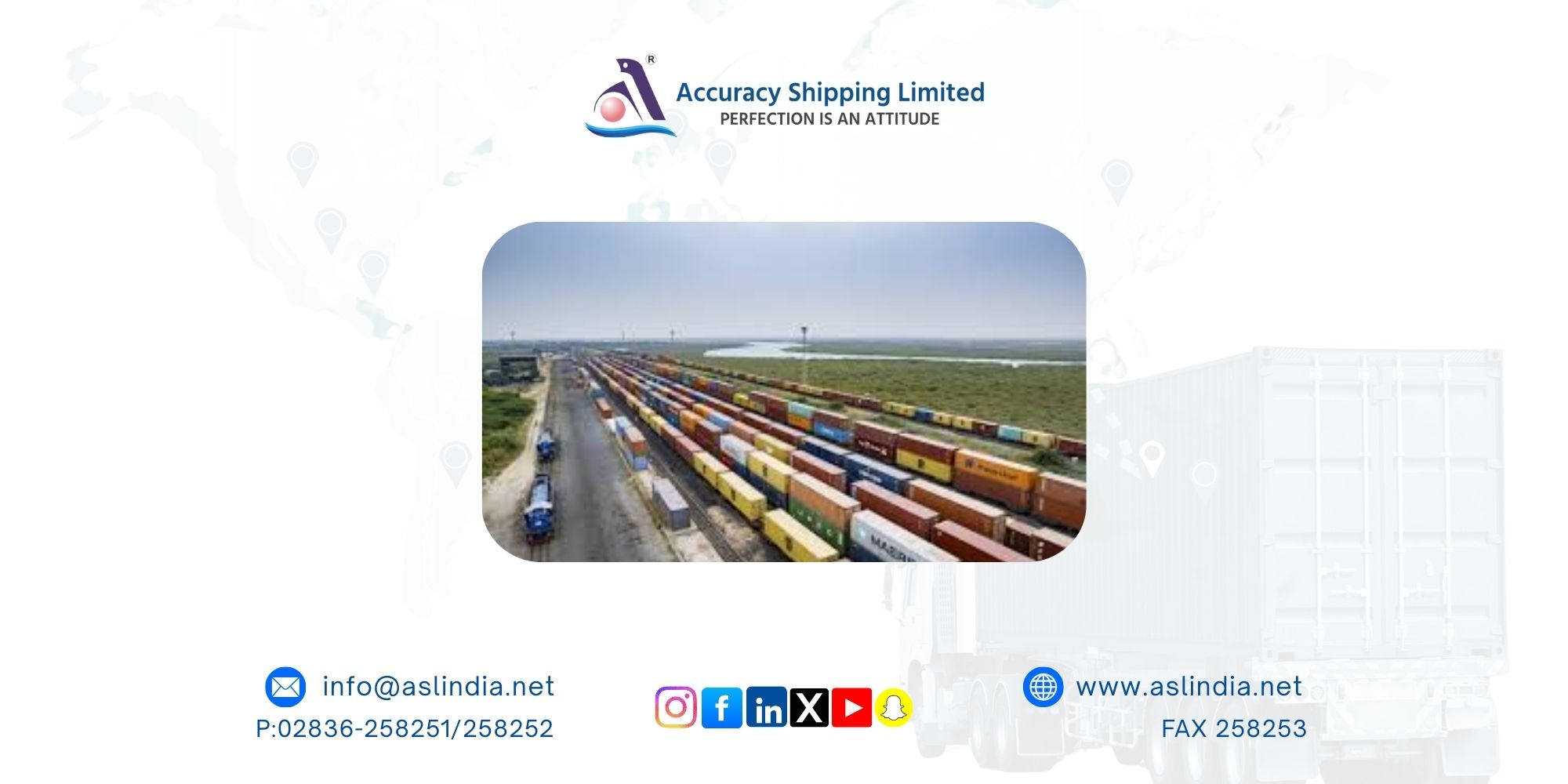
Indian Railways is redefining freight transportation in the country by setting a new benchmark in high-density freight movement. By offering a speedy, reliable, and affordable end-to-end rail freight solution, Indian Railways is strengthening India’s logistics backbone and supporting economic growth across sectors.
The role of the Dedicated Freight Corridor network
The Dedicated Freight Corridor (DFC) network combines advanced infrastructure, high-capacity corridors, and modern operational systems to ensure efficient movement of goods across regions. This approach significantly reduces transit times and logistics costs, while also easing congestion on conventional rail routes used for passenger services.
Record-breaking interchange achievement
Continuing its trend of seamless freight operations, Dedicated Freight Corridor Corporation of India Limited (DFCCIL) has recorded the highest-ever number of train interchanges on the DFC network. On Sunday, 5 January, a total of 892 interchange trains were handled in a single day between the DFC network and five zones of Indian Railways. This surpassed the previous record of 865 trains achieved on 4 January, according to the Ministry of Railways.
Impact on passenger services and daily commutes
This enhanced operational efficiency is easing congestion on conventional rail lines. As a result, passenger trains are running more punctually, improving comfort and reducing delays for daily commuters. The separation of freight and passenger traffic is proving crucial in delivering reliable services on both fronts.
Boost to industries and the common man
The milestone is supporting faster delivery of essential goods such as coal, cement, containers, and agricultural commodities. Industries benefit from predictable supply chains and lower logistics costs, while consumers ultimately gain through timely availability of goods and reduced prices.
Technology and planning behind the milestone
The record reflects DFCCIL’s growing operational capacity, strong planning framework, and robust traffic management systems. Efficient regulation of train speeds, maintenance of safe headways, and close coordination between adjoining stations allowed trains to cross stations in minimal time, ensuring safe and fuel-efficient operations even on heavily loaded sections.
Modern tools and coordinated execution
The performance was further supported by modern train scheduling tools, real-time traffic monitoring, automated signalling, digital control rooms, and strict safety protocols. Central Control provided network-level planning and supervision, working closely with Operational Control Centres and zonal control offices to ensure seamless execution across the network.
Role of locomotives and workforce
High-power locomotives played a critical role by hauling long and heavy freight trains at higher average speeds. Strong coordination among loco pilots, assistant loco pilots, and train managers ensured alert, disciplined, and safe operations throughout the day.
Efficient yards and feeder routes
Strengthened feeder routes and efficient yard management helped minimise detention time. Faster entry and exit of trains ensured timely evacuation of freight and maintained smooth flow across the network.
Sustained trend of high-density operations
The DFC network has consistently demonstrated high operational performance. Other recent high-volume interchange days include 846 trains on 30 March 2025, 830 on 14 September 2025, 820 on 31 March 2025, 812 on 3 January 2026, and 808 on 25 May 2025. These figures highlight a sustained trend rather than a one-time achievement.
A transforming logistics ecosystem
While Indian Railways continues to efficiently transport millions of passengers every day, it is equally equipped to handle high-density freight operations with safety, speed, and reliability. Through modern locomotives, digital monitoring, and streamlined yard and feeder management, the DFC network is enabling a faster, safer, and more predictable movement of goods, contributing significantly to India’s economic growth and logistics transformation.
Our Tag:
Share:

.png)
.png)
.png)
Newsletters

 12 Nov, 2025
Congress 'clean-up' or 'fake' exit polls? Leaders react as big NDA win predicted in Bihar
 24 Sep, 2025
Perplexity launches Comet AI browser in India but there's a proviso, for now
 30 Jun, 2025
India leads in liver disease deaths as lifestyle choices take toll
 01 Oct, 2025
Pakistan captain follows Suryakumar Yadav's footsteps, donates match fee to 'Operation Sindoor victims'
 31 Dec, 2025

