



Indian LNG, LPG, Crude Cargo Ships Stuck Near Hormuz Strait

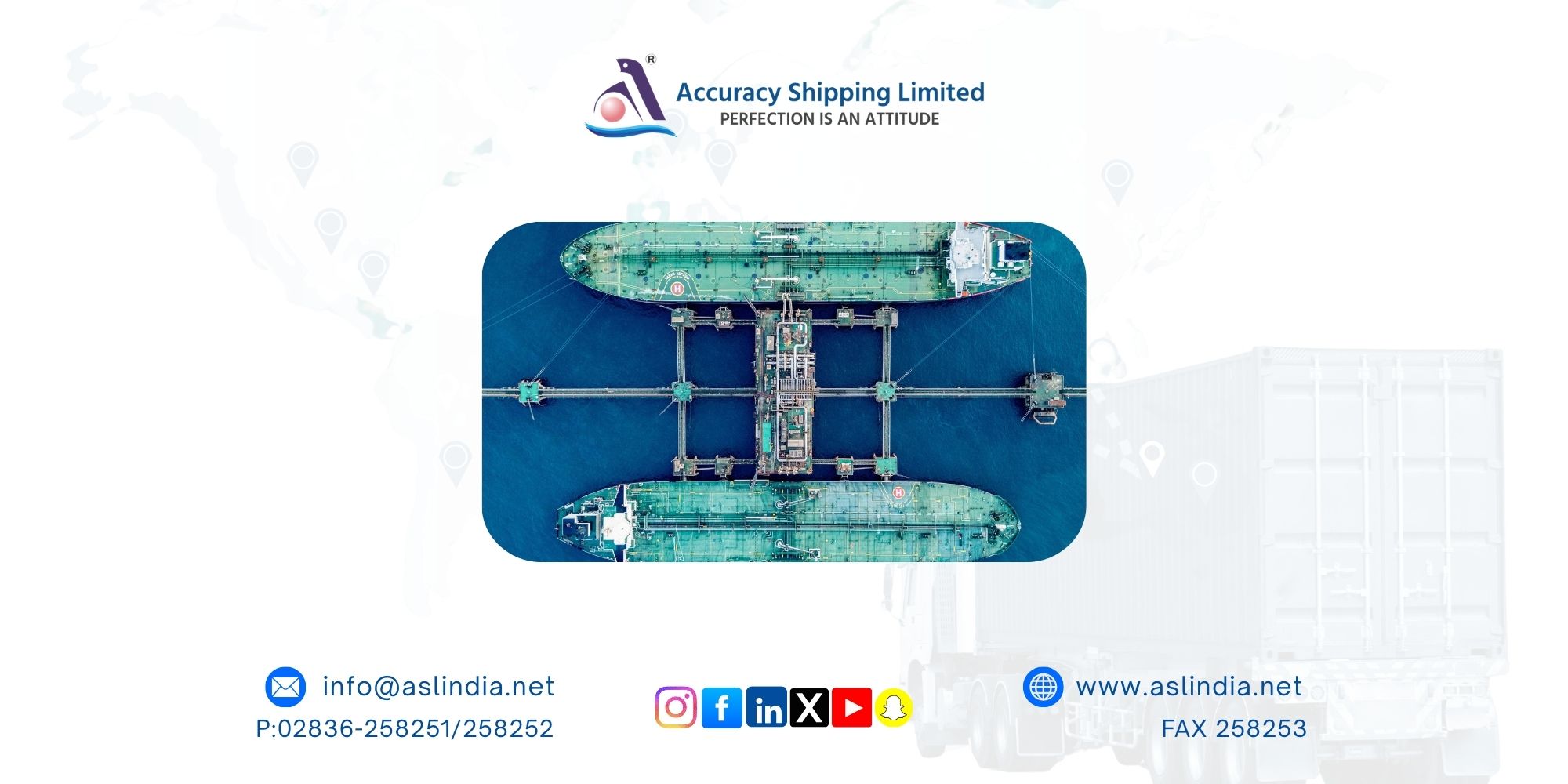
Maritime Disruption Leaves Indian Energy Cargo Ships Stranded
A growing number of Indian-flagged cargo vessels carrying liquefied natural gas (LNG), liquefied petroleum gas (LPG), and crude oil are currently stranded near the Strait of Hormuz, one of the world’s most strategically important maritime chokepoints. Ongoing geopolitical tensions and security risks in the region have significantly disrupted maritime traffic, leaving several ships unable to safely pass through the corridor.
The disruption has created operational uncertainty for energy shipments destined for India, raising concerns among shipping companies, energy traders, and government authorities monitoring the situation closely.
Maritime Disruption and Stranded Vessels
The Indian government has confirmed that 28 Indian-flagged vessels are currently immobilised west of the Strait of Hormuz due to the heightened security situation in the Persian Gulf region. These ships are carrying critical energy cargoes including LNG, LPG, and crude oil, and the disruption has affected hundreds of Indian seafarers onboard.
Independent maritime tracking reports suggest that the number of affected vessels may be even higher, with up to 37 Indian oil and LPG tankers reportedly stalled near the chokepoint. The backlog highlights the severity of the disruption to energy shipping routes originating from the Middle East.
Many of these vessels have chosen to remain anchored outside the strait as a precautionary measure to avoid escalating conflict risks in the area.
Security Concerns and Government Response
Amid the escalating tensions, the Indian government is actively assessing measures to safeguard merchant shipping in the region. Authorities are reportedly considering naval escorts for commercial tankers navigating the unsafe waters near the Strait of Hormuz.
Such measures would help ensure safe passage for energy cargo vessels while protecting Indian crew members and vital fuel supplies destined for the country.
In parallel, diplomatic engagement with Iran is underway to seek assurances for the safe movement of Indian merchant ships through the strait. These discussions aim to reduce risks to maritime trade while maintaining the stability of India’s energy supply chain.
Signs of Limited Passage
Despite the ongoing disruption, there have been small signs of progress. Reports indicate that Iran recently permitted two Indian LPG tankers to transit through the Strait of Hormuz, offering a limited corridor for energy cargo movement.
Although the development is encouraging, the broader congestion remains unresolved as many vessels continue to wait for improved security conditions before attempting the passage.
Wider Impacts on Global Energy Shipping
The Strait of Hormuz plays a crucial role in global energy logistics, handling a significant portion of the world’s oil and gas transport. Any disruption in this narrow waterway can have immediate consequences for shipping schedules, freight rates, and energy supply chains worldwide.
The current situation has already prompted shipping companies and policymakers to reassess transit strategies, explore alternative logistics routes, and strengthen diplomatic channels to ensure the continued movement of energy cargo.
For India, which depends heavily on Middle Eastern energy imports, maintaining safe maritime access through the Strait of Hormuz remains essential for both energy security and supply chain stability.
Our Tag:
Share:

.png)
.png)
.png)
Newsletters

 23 May, 2025
Seven Aussie startups that raised $495.8 million this week
 30 Oct, 2025
Can India beat Australia in Women's World Cup semifinal as Rawal’s absence, Healy’s return tilt the balance?
 29 Apr, 2025
Want a younger and sharper brain? This one phone hack can help
 29 Sep, 2025
India Post introduces secure delivery upgrades, revises Speed Post tariffs
 17 Mar, 2026

