



Bharti Airtel, Tata group seek equitable treatment on AGR dues as Vodafone Idea: Report

Introduction
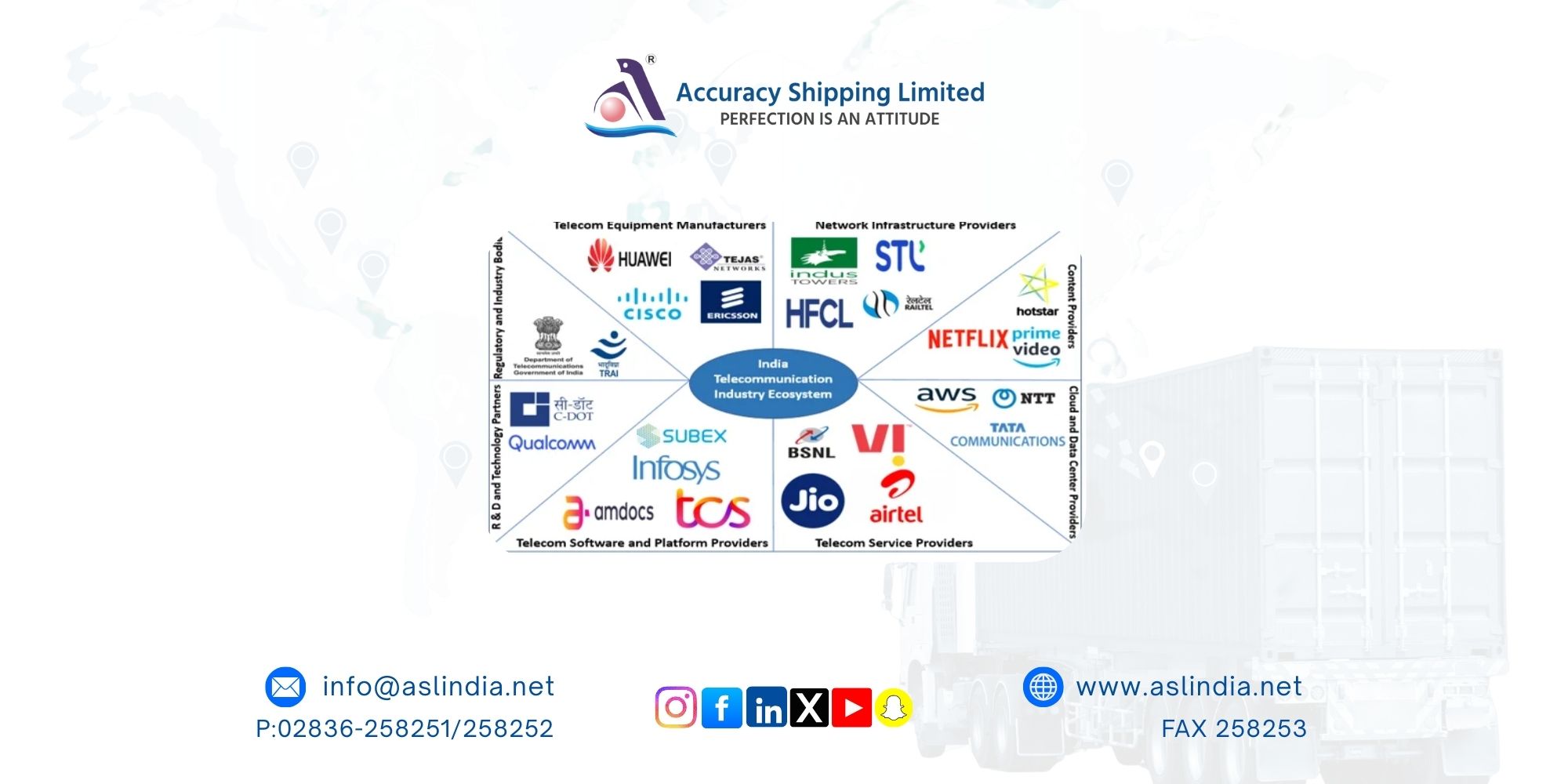
India’s telecom sector is once again at the centre of a regulatory and financial debate, as major operators raise concerns over parity in adjusted gross revenue (AGR) relief. Following the government’s decision to grant extended relief to Vodafone Idea, other telecom players are reassessing their options to ensure a level playing field within the industry.
Background of the AGR Issue
Adjusted Gross Revenue has long been a contentious issue for Indian telecom operators, significantly impacting their financial health. AGR dues represent a substantial liability on balance sheets, influencing investment capacity, network expansion, and long-term sustainability. Over the years, the government has introduced relief measures to prevent stress in the sector and preserve competition.
Vodafone Idea’s Extended Relief
Recently, Vodafone Idea secured a major relief from the Department of Telecommunications in the form of a 10-year moratorium on its AGR dues. The relief applies to liabilities amounting to Rs 87,695 crore, effectively freezing Vi’s repayment obligations until 2035. This move offers Vi significant financial breathing space, allowing it to focus on stabilising operations and investing in network infrastructure.
Airtel and Tata Group’s Demand for Parity
The selective nature of this relief has prompted Bharti Airtel along with Tata Teleservices and Tata Teleservices Maharashtra to seek equitable treatment on AGR liabilities. According to a report in The Economic Times, executives from these companies have highlighted that their repayment installments are scheduled to begin in March, while Vi’s obligations have been deferred for another decade. This divergence has created a clear disparity in regulatory treatment.
Financial Exposure of Operators
Bharti Airtel faces AGR liabilities totalling Rs 48,103 crore, while TTSL and TTML together owe Rs 19,259 crore. In contrast, Vi’s extended moratorium provides it with a significant advantage in managing cash flows. Industry players argue that such selective relief could distort competition if similar terms are not extended across the sector.
Review of Legal and Procedural Options
In response, Airtel and the Tata entities are reportedly reviewing potential legal and procedural routes to achieve parity. The government’s selective relief for Vi has led these companies to pause their payments until a fair and consistent framework is established. There is also discussion around collective representation by operators to ensure uniform policy treatment.
Previous Moratorium Framework
The government had earlier introduced a four-year moratorium in September 2021, allowing all telecom operators to defer AGR payments until FY26. This measure protected the net present value of dues while accruing compounded annual interest. The moratorium concluded in FY25, requiring operators to begin six annual installments before the end of FY26, with the intent of supporting financial stability and continued investment in network infrastructure.
Supreme Court’s Position
In November 2025, the Supreme Court of India declined to intervene in the government’s policy decision granting extended relief to Vi. The court cited Vi’s precarious financial position and the broader need to preserve competition in the telecom sector. While the ruling left room for other operators to petition for similar relief, it reinforced that such decisions ultimately rest with the government.
Conclusion
The AGR debate highlights the delicate balance policymakers must maintain between supporting financially stressed operators and ensuring a fair competitive environment. As Bharti Airtel and the Tata group seek equitable treatment, the outcome of their representations could have far-reaching implications for regulatory consistency, investor confidence, and the future structure of India’s telecom industry.
Our Tag:
Share:

.png)
.png)
.png)
Newsletters

 06 Oct, 2025
Can late-night eating habits affect hormones? Lifestyle coach says these 9 changes can help
 11 Aug, 2025
iPhone to get ChatGPT 5 integration with Apple Intelligence via iOS 26 update
 16 Sep, 2025
India aims for 5% of global shipbuilding market by 2030
 24 Apr, 2025
Bollywood celebs who run businesses like a boss
 10 Oct, 2025

