



India eases export paperwork for West Asia and North Africa trade

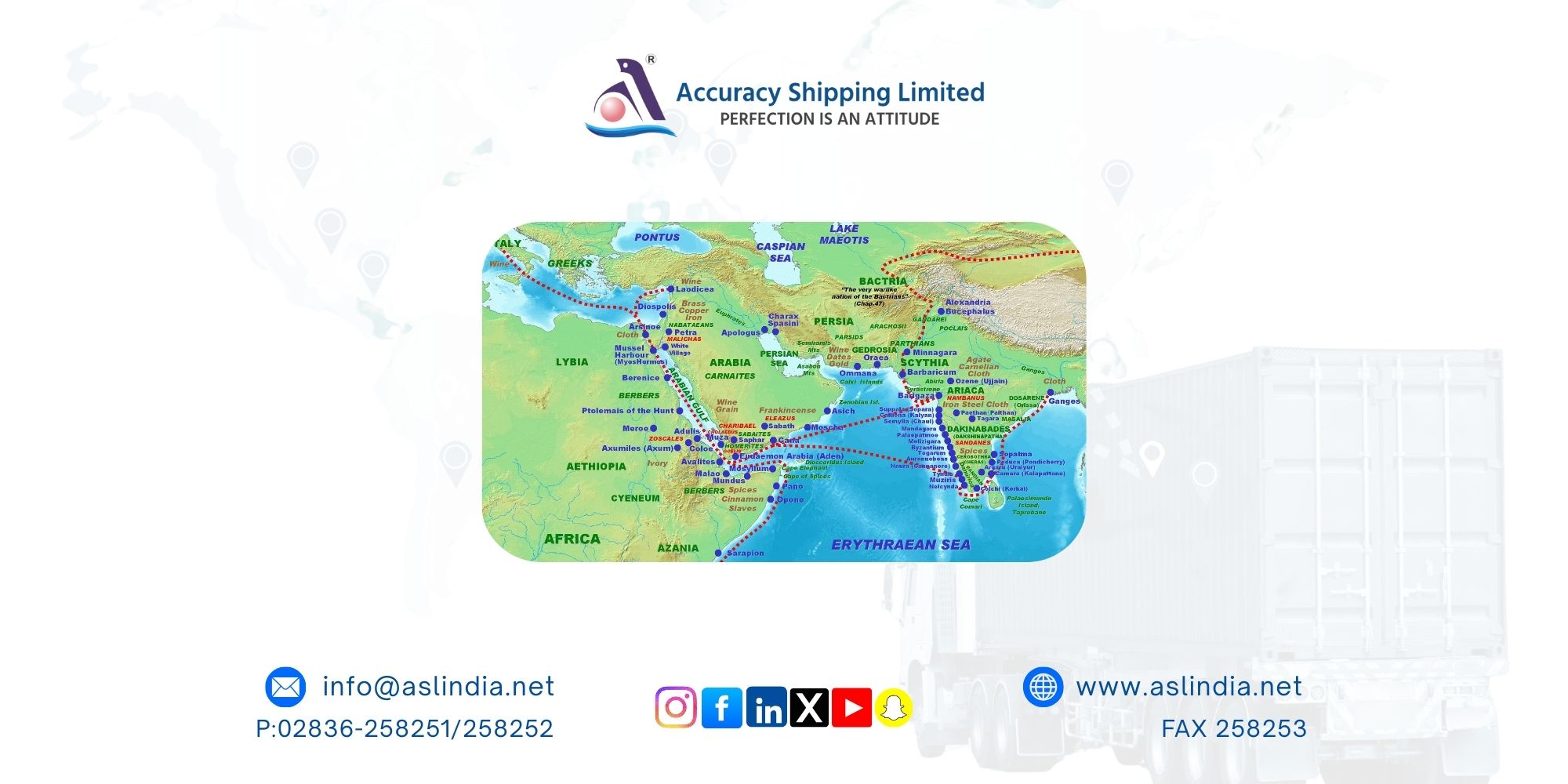
India has taken a significant step to simplify export procedures for trade with West Asia and North Africa (WANA), a region that remains crucial for the country’s merchandise exports and overall trade growth. By easing documentation requirements related to certificates of origin, the move is expected to improve efficiency, reduce delays, and support exporters, particularly small and medium-sized enterprises.
Understanding certificates of origin in WANA trade
Certificates of origin are mandatory documents required by importing countries to confirm the origin of goods. These certificates are needed even when exporters are not seeking preferential tariff benefits. In many WANA markets, customs authorities routinely demand certificates of origin for regulatory compliance, anti-dumping measures, and trade data verification. Any delay in obtaining these documents can lead to shipment hold-ups, higher costs, and operational challenges for exporters.
DGFT authorises IACCIA for non-preferential certificates
To address these challenges, the Directorate General of Foreign Trade has authorised the India & Arab Countries Chamber of Commerce, Industry and Agriculture to issue non-preferential certificates of origin for exports to WANA countries. The decision, notified through an official order, takes effect immediately and is aimed at streamlining export procedures and reducing documentation bottlenecks.
Easing compliance for exporters, especially SMEs
The authorisation of IACCIA is expected to significantly improve ease of doing business. Small and medium-sized exporters often face difficulties in securing certificates of origin during peak shipping seasons due to limited issuing channels. With the inclusion of a specialised, region-focused chamber, exporters can benefit from faster processing, reduced dependency on overburdened agencies, and smoother shipment clearance at destination ports.
Growing India–Arab economic engagement
This policy move comes at a time when India’s economic ties with the Arab world are deepening. India has already implemented free trade agreements with the United Arab Emirates and Oman, while discussions are underway for a similar pact with Qatar. Simplifying trade documentation aligns with India’s broader strategy to strengthen market access and enhance export competitiveness in the region.
Role and recognition of IACCIA
IACCIA is backed by India’s ministries of external affairs and commerce and industry. It is also recognised by regional bodies such as the League of Arab States, the Union of Arab Chambers, and the Council of Arab Ambassadors in New Delhi. The chamber actively supports trade facilitation through business delegations, buyer–seller meets, and promotional initiatives, making it well-positioned to handle region-specific certification requirements.
Industry response to the decision
Industry representatives have welcomed the move. Vinod Kumar, President of the India SME Forum, highlighted that the authorisation could ease operational challenges for smaller exporters who struggle with documentation during high-demand periods. Arun Kumar Garodia, former chairman of the Engineering Export Promotion Council, noted that procedural delays in WANA markets often arise due to mandatory certificate requirements, and the new arrangement should help mitigate such issues.
Importance of the WANA region for India
The WANA region comprises 19 countries, including the UAE, Saudi Arabia, Oman, Qatar, Kuwait, Bahrain, Egypt, Morocco, Algeria, Tunisia, Iraq, Jordan, and Israel. It remains one of India’s most significant trading regions, supported by strong energy imports and steadily growing non-oil exports.
Trade performance highlights
According to commerce ministry data, India’s merchandise exports to key WANA markets exceeded $64 billion in FY25, while total bilateral trade crossed $216 billion. The UAE remained India’s largest export destination in the region with exports of $36.64 billion. Exports to Saudi Arabia stood at $11.76 billion, while shipments to Iraq were valued at $3.27 billion.
Exports to Oman reached $4.07 billion, with imports rising sharply due to higher energy inflows. Shipments to Qatar remained stable at $1.68 billion, while exports to Egypt were valued at $3.41 billion. Exports to Sudan declined amid ongoing economic and political challenges.
Conclusion
The inclusion of IACCIA in the authorised list of agencies issuing certificates of origin marks a practical and timely reform in India’s export ecosystem. By reducing paperwork hurdles and improving access to essential trade documents, the decision is expected to support smoother trade flows, strengthen India’s presence in West Asia and North Africa, and reinforce the country’s commitment to facilitating global trade.
Our Tag:
Share:

.png)
.png)
.png)
Newsletters

 27 Jan, 2026
Nipah virus outbreak in India sparks worry in China before Lunar New Year
 07 Jan, 2026
Grok obscene AI content: govt. gives X time till January 7 to submit report
 24 Jul, 2025
Suffering From Memory Loss? Doctor Shares Ways To Recognise Early Signs Of Brain Disorders
 28 Mar, 2026
Tata Motors PV shares decline 5% after reports suggest another production halt at JLR plant
 19 Mar, 2026

