



ICMR study finds shorter TB therapy cuts costs, side effects and death risk: What it means for patients

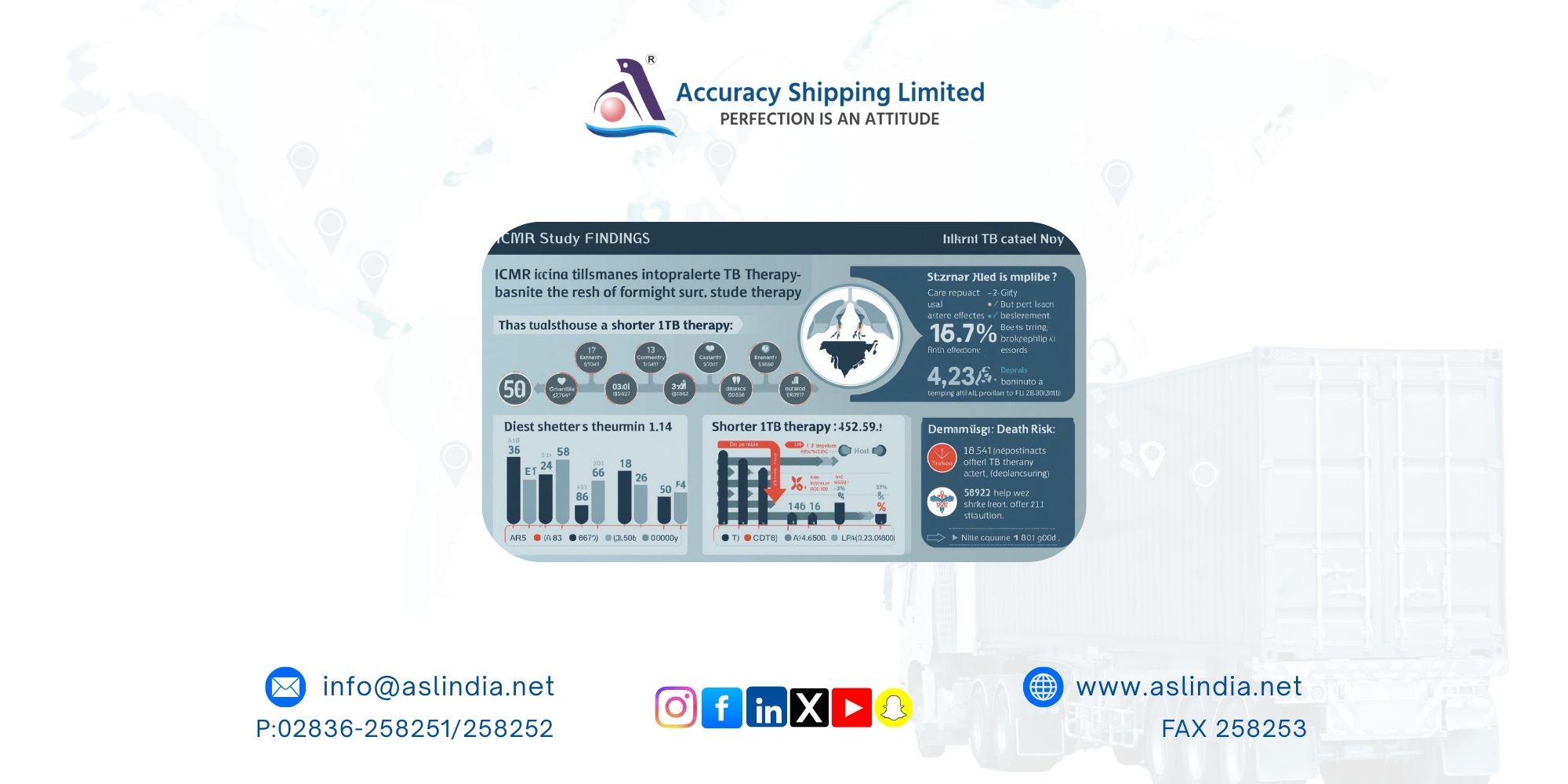
India Council Medical Research researchers have found that newly introduced shorter treatment regimens for drug-resistant tuberculosis (TB) are not only clinically effective but also cost-efficient. The study, conducted at the ICMR-National Institute for Research in Tuberculosis and published in the Indian Journal of Medical Research, brings promising news for thousands of TB patients across India.
With nearly 64,000 multi-drug-resistant TB (MDR-TB) cases reported in 2023 accounting for almost one-third of the global burden India continues to face a major public health challenge. However, reforms introduced in 2024 under the National TB Programme may significantly change the treatment landscape.
Shorter Treatment, Better Outcomes
In 2024, India introduced new shorter regimens for drug-resistant TB, reducing treatment duration from 18–20 months and 9–11 months to just six months.
Earlier therapies required painful injectable drugs that forced patients to frequently visit health centres. These injections often led to severe side effects such as hearing loss and kidney damage. The new regimens eliminate injectable drugs entirely and rely on oral medications, making treatment far more patient-friendly.
The result:
• Reduced treatment duration
• Fewer hospital visits
• Lower side-effect burden
• Decreased risk of death
What Did the Study Find?
The study evaluated data from 48,563 MDR-TB patients who were treated using either new regimens or the older standard of care (58% on 18–20 month therapy and 42% on 9–11 month therapy).
Two major regimens were analysed:
BPaL regimen – Combination of Bedaquiline, Pretomanid, and Linezolid
BPaLM regimen – BPaL plus Moxifloxacin
Bedaquiline, Pretomanid, Linezolid and Moxifloxacin are all oral drugs used in these new combinations.
Key findings:
• The BPaL regimen saves Rs 379 per patient for every healthy life-year added.
• The BPaLM regimen costs an additional Rs 37 per patient for each additional healthy life-year.
This means the shorter regimens are not only more effective but also economically viable for the government health programme.
What Does This Mean for TB Patients?
According to Dr. Malaisamy Muniyandi, Senior Scientist and Head of Health Economics at ICMR-NIRT, the impact goes beyond cost savings.
• Six-month treatment means patients can return to work sooner.
• Fewer visits to health centres reduce travel expenses.
• Oral medicines eliminate painful injections.
• Shorter duration helps faster social reintegration.
TB still carries social stigma, and prolonged treatment often isolates patients from their communities. A shorter therapy reduces this emotional and social burden.
In simple terms, patients recover faster, spend less money, face fewer complications, and regain normal life sooner.
How Diagnosis Has Improved
Another important development is faster diagnosis. The increased availability of TrueNat and GeneXpert machines widely used during the COVID-19 pandemic has strengthened TB detection in India.
Unlike traditional microscopic testing, which takes time, molecular tests:
• Deliver results within three hours
• Detect TB bacteria quickly
• Identify resistance to rifampicin
• Enable quicker initiation of correct treatment
Additional RT-PCR-based tests are also becoming available for TB, improving early detection and treatment precision.
Faster diagnosis combined with shorter treatment regimens marks a significant shift in India’s fight against drug-resistant TB.
A Major Step Forward in TB Control
The introduction of six-month all-oral regimens represents a major breakthrough in TB management. With reduced side effects, lower costs, shorter treatment duration, and improved survival rates, the new therapies offer renewed hope for thousands of patients.
For India which bears a significant share of the global MDR-TB burden these reforms could dramatically improve public health outcomes and move the country closer to its TB elimination goals.
Our Tag:
Share:

.png)
.png)
.png)
Newsletters

 03 Jul, 2025
PM Modi’s historic Ghana visit: UPI push, 4 MoUs inked, new frontiers in defence, and minerals explored | A look
 15 Jan, 2026
Apple iPhone 17 available at Rs. 74,990? Check Flipkart Republic Day Sale early deals
 01 Nov, 2025
Hindustan Unilever Receives ₹1,986 Crore Tax Demand Notice for FY2020-21: Here’s Why
 09 Jan, 2026
Bharat Coking Coal IPO opens soon: GMP signals 50% listing gain! Review, other details about upcoming IPO in 10 points
 14 Aug, 2025

