



ICC faces 'influence' allegations over Bangladesh World Cup axe as viewership math laid bare: ‘Selective accommodation’

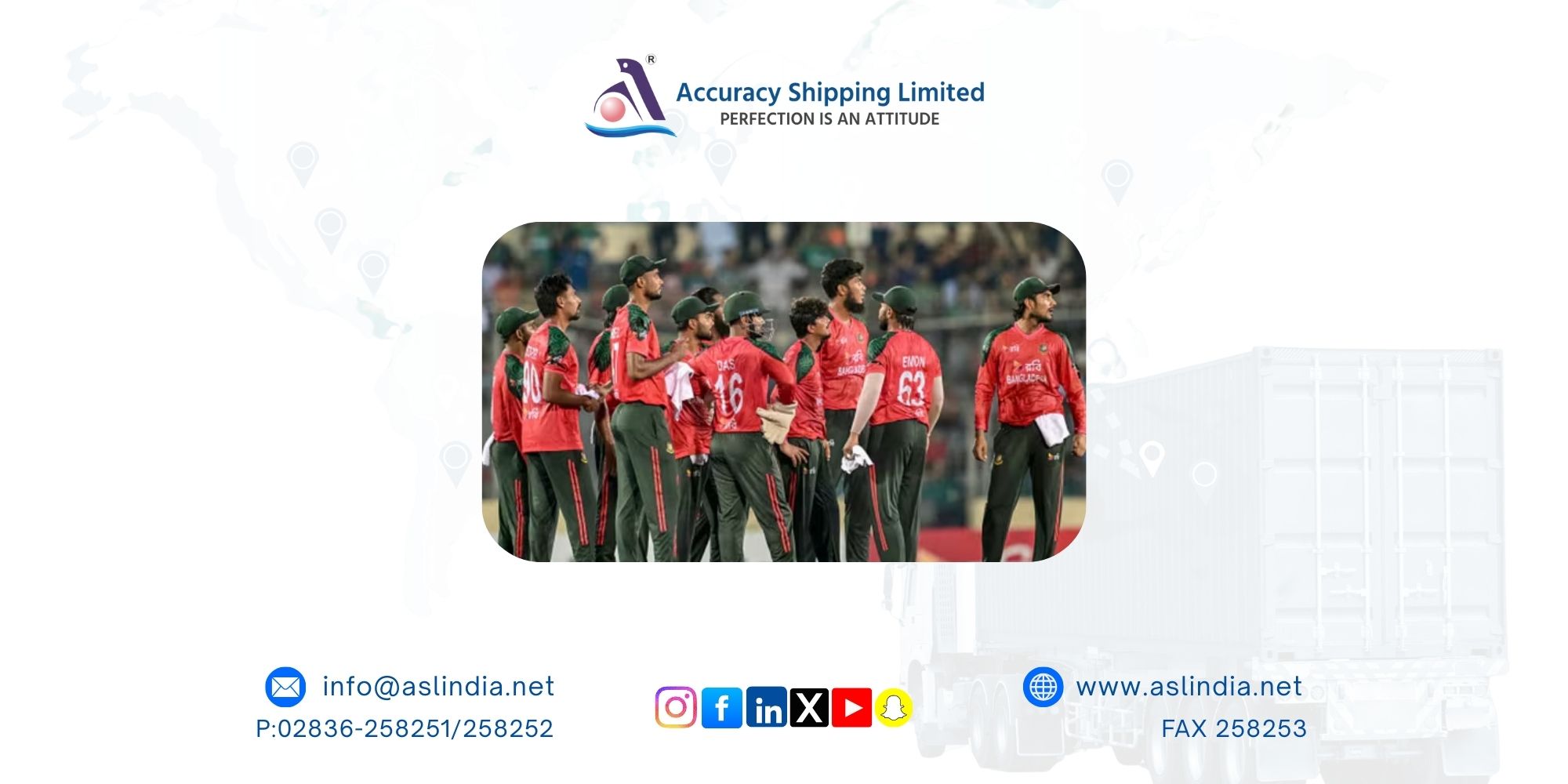
The International Cricket Council (ICC) has once again found itself at the centre of controversy after former Pakistan cricketer Mohammad Yousuf accused the governing body of being “influenced” in its decision to remove Bangladesh from the 2026 ICC Men’s T20 World Cup. His remarks, supported by striking viewership statistics, have reignited discussions around fairness, transparency, and selective accommodation in global cricket governance.
Viewership Numbers Trigger Controversy
Taking to social media, Mohammad Yousuf presented comparative viewership data across major cricket-playing nations, questioning the logic behind Bangladesh’s exclusion. According to Yousuf, the combined cricket audience of ten participating nations New Zealand, Australia, Scotland, Nepal, the Netherlands, Ireland, Namibia, Zimbabwe, Sri Lanka, and Afghanistan stands at approximately 178 million. In contrast, Bangladesh alone reportedly generates around 176 million viewers.
“The combined cricket viewership of New Zealand, Australia, Scotland, Nepal, Netherlands, Ireland, Namibia, Zimbabwe, Sri Lanka and Afghanistan is broadly equivalent to what Bangladesh generates on its own. Ten nations combined: 178 million. Bangladesh alone: 176 million,” Yousuf wrote.
While Hindustan Times could not independently verify these figures due to the lack of publicly available data, the numbers sparked immediate debate within cricketing circles, highlighting the commercial and audience impact of Bangladesh’s absence.
Bangladesh Replaced by Scotland
The ICC recently confirmed Scotland as Bangladesh’s replacement for the 2026 T20 World Cup. This decision followed Bangladesh Cricket Board’s (BCB) refusal to send its team to India, citing serious “security concerns.” The BCB repeatedly urged the ICC to shift Bangladesh’s group-stage matches to an alternate venue, but the governing body maintained that altering the schedule at such a late stage was not feasible.
Despite diplomatic efforts and support from Pakistan the only other member nation to back Bangladesh’s stance the BCB failed to overturn the ICC’s decision, leading to their eventual removal from the tournament.
Accusations of Selective Accommodation
Yousuf’s allegations extend beyond viewership concerns, pointing toward what he termed “selective accommodation” by the ICC. According to him, commercial priorities and political considerations appear to influence decision-making, raising questions about consistency and fairness.
This criticism echoes similar concerns raised in the past, especially regarding venue changes and scheduling flexibility offered to certain teams but not others. The Bangladesh case has now become another flashpoint in the growing debate over the ICC’s governance model.
Support From Former Cricketers
Mohammad Yousuf is not alone in questioning the ICC’s consistency. Former Australian fast bowler Jason Gillespie, who previously served as Pakistan’s red-ball coach, had also posted a tweet referring to India’s Champions Trophy venue arrangements. However, after facing backlash and social media abuse, he deleted the post shortly after.
Additionally, former Pakistan captain Shahid Afridi, along with Rashid Latif and Kamran Akmal, publicly criticised the ICC’s handling of the Bangladesh issue. Their reactions further amplified the debate, indicating widespread dissatisfaction among former international players.
What This Means for Global Cricket
The controversy has once again brought governance transparency and decision-making fairness under scrutiny. Bangladesh represents one of the most passionate cricket-following nations globally, and its exclusion raises concerns about balancing commercial interests, security logistics, and sporting equity.
As the ICC continues to manage global tournaments involving diverse political and security environments, such decisions will remain under close public and professional examination. Whether the council revisits its approach to stakeholder engagement and transparency remains to be seen.
Our Tag:
Share:

.png)
.png)
.png)
Newsletters

 25 Oct, 2025
Introducing Galaxy XR, the first Android XR headset
 22 May, 2025
Kollam port development gains Union govt’s support
 12 Jun, 2025
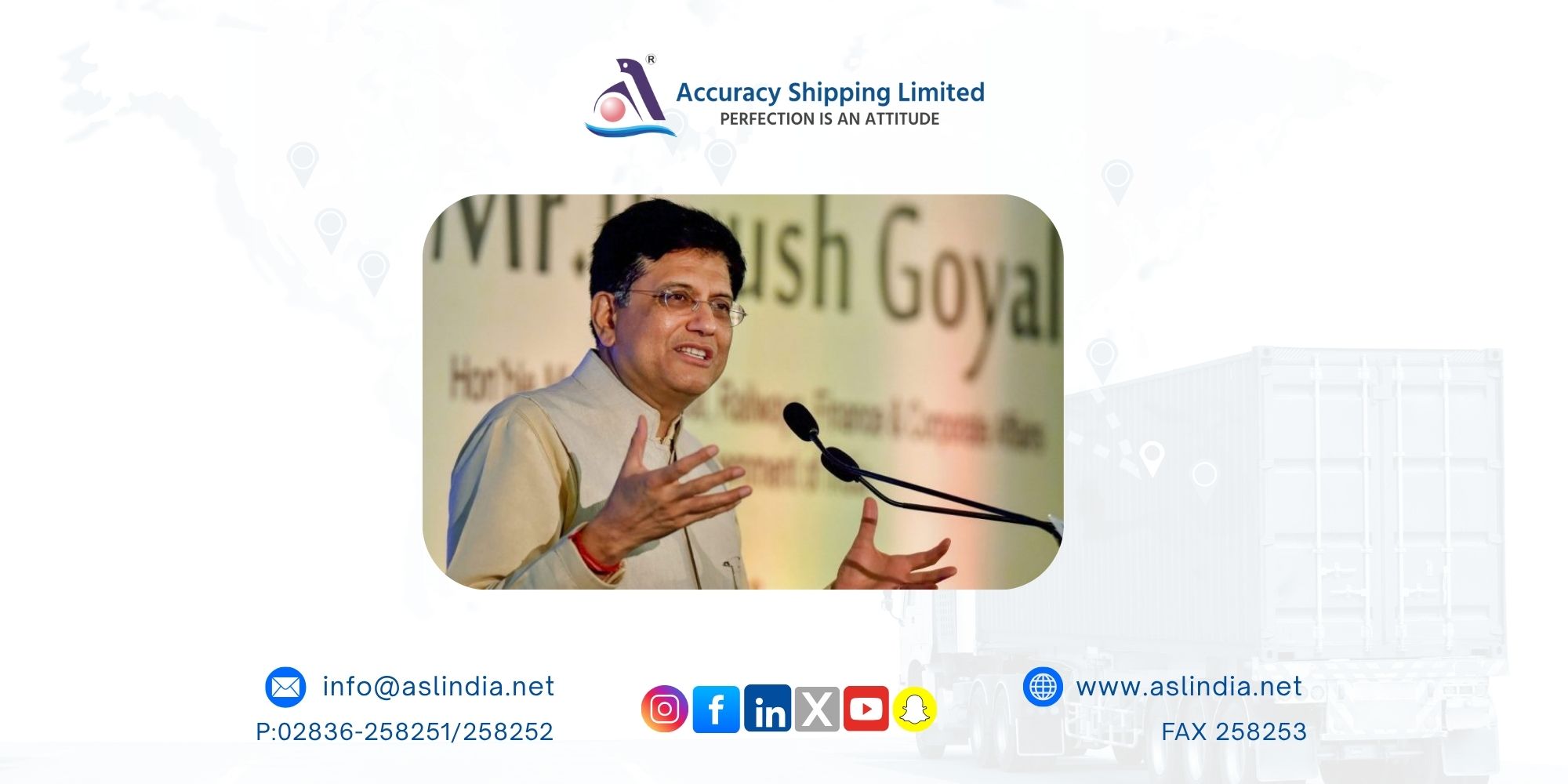
Exciting opportunities lie ahead, says Piyush Goyal after highly productive Switzerland visit
 09 Mar, 2026
Vizhinjam Port Operator Seeks 20 Acres for Planned Cruise Village
 13 Mar, 2026

