



Gujarat Non-Major Ports Handle 487 MMT in FY25; Contribute 31% to India’s Total Cargo Traffic

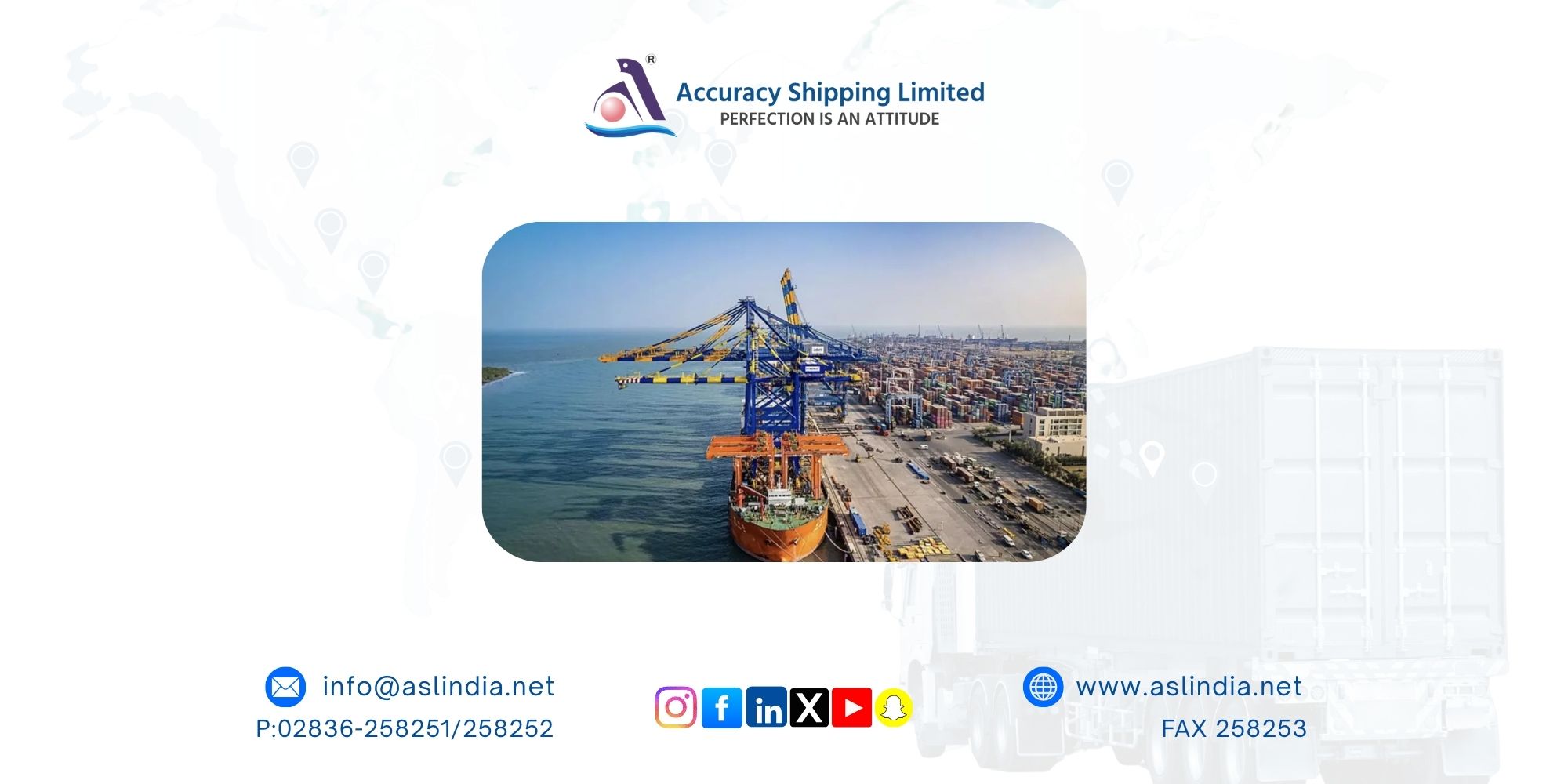
Record Cargo Performance Strengthens Gujarat’s Maritime Leadership
Gujarat has further cemented its reputation as a maritime powerhouse in India. As announced by Acharya Devvrat during the Budget Session of the Gujarat Legislative Assembly, the state’s non-major ports handled an impressive 487 million metric tons (MMT) of cargo in FY 2024–25.
This marks a strong 8.56 percent increase over the previous fiscal year, highlighting consistent growth in cargo handling capacity and operational efficiency across Gujarat’s port network operated by the Gujarat Maritime Board.
31% Contribution to India’s Total Cargo Traffic
According to official figures, Indian ports collectively handled approximately 1,593 MMT of cargo during FY25. Out of this, Gujarat’s non-major ports alone contributed 31 percent of the total national cargo traffic.
Even more significantly, Gujarat accounted for nearly 66 percent of the total cargo handled at non-major ports across India. This remarkable share underscores the state’s dominant position in the country’s maritime trade and logistics ecosystem.
The performance reflects Gujarat’s strategic coastal advantage, world-class port infrastructure, and seamless integration with industrial corridors and hinterland connectivity.
Alang-Sosiya: The Global Ship-Recycling Hub
Beyond cargo handling, Gujarat continues to lead globally in ship recycling through the Alang-Sosiya Ship Recycling Yard, located in Bhavnagar district. Recognized as the world’s largest ship-recycling yard, Alang-Sosiya remains a central hub for dismantling end-of-life vessels.
The yard currently comprises 155 plots, of which 128 are operational. Since its inception in 1983, a total of 8,924 ships aggregating 71 million metric tons (LDT) have been dismantled at Alang.
Despite a recent slowdown in the global ship-recycling industry, the Gujarat government has stepped in with financial relief measures. Between 2021 and 2025, the state extended a cumulative ₹145 crore rebate in plot charges to shipbreakers, reinforcing its commitment to sustaining the sector.
Maritime Growth as a Core Economic Strategy
The outstanding cargo performance and sustained activity at Alang reflect Gujarat’s long-term maritime vision. Ports in the state serve as critical gateways for bulk commodities, containerized cargo, petroleum products, chemicals, coal, fertilizers, and industrial raw materials.
The Governor emphasized that maritime development remains a key pillar of Gujarat’s economic strategy. By strengthening port infrastructure, promoting industrial expansion, and enhancing trade competitiveness, the state aims to further solidify its position as India’s leading maritime hub.
With consistent growth, proactive policy support, and world-class port operations, Gujarat’s non-major ports are not only driving regional development but also playing a transformative role in shaping India’s overall trade and logistics landscape.
Our Tag:
Share:

.png)
.png)
.png)
Newsletters

 07 Jan, 2026
Steve Smith becomes second-highest run-scorer in Ashes, only behind Donald Bradman
 23 Mar, 2026
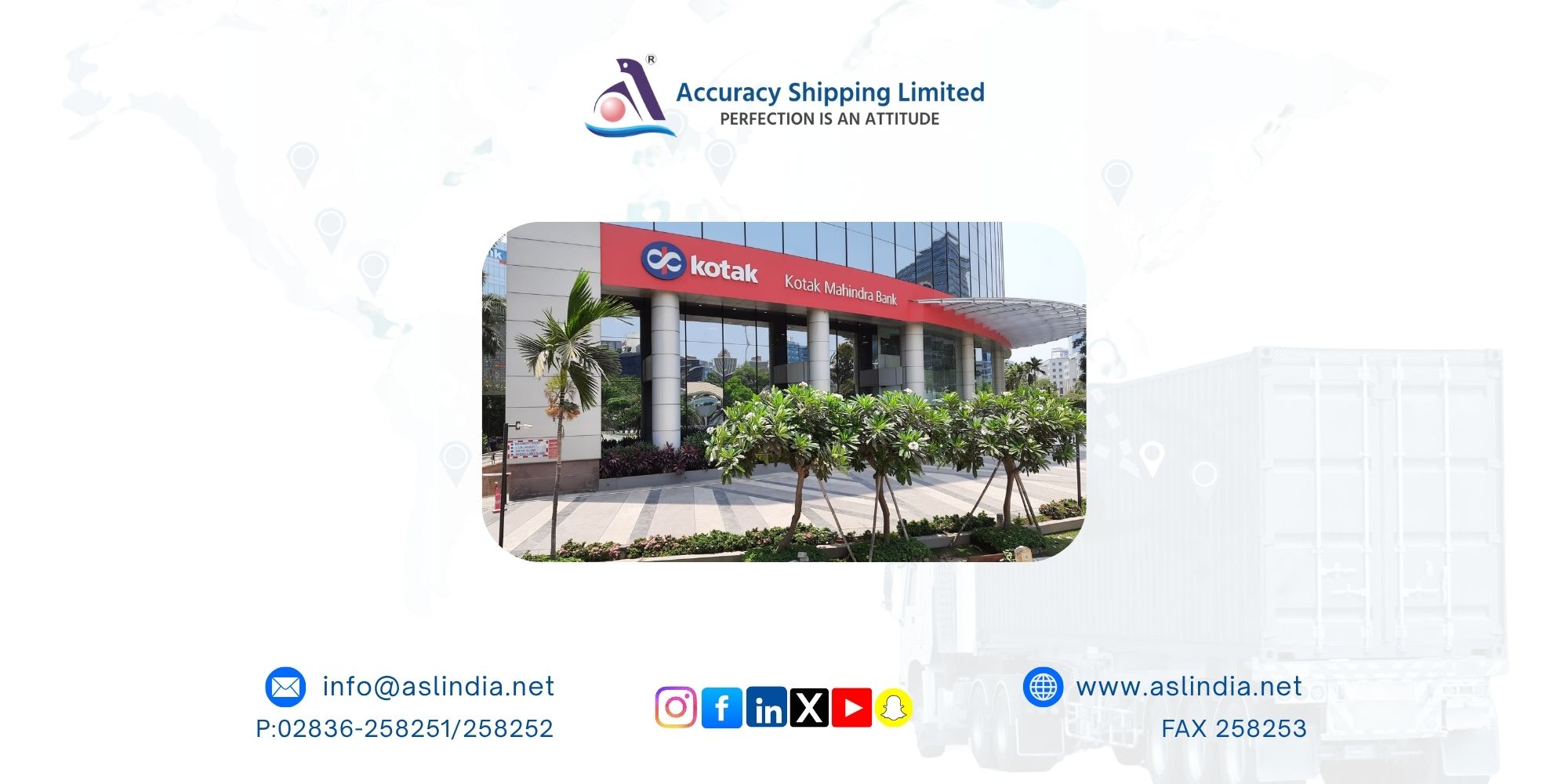
Kotak Mahindra Bank to buy Deutsche's India retail business in 45 billion-rupee deal
 12 Jul, 2025
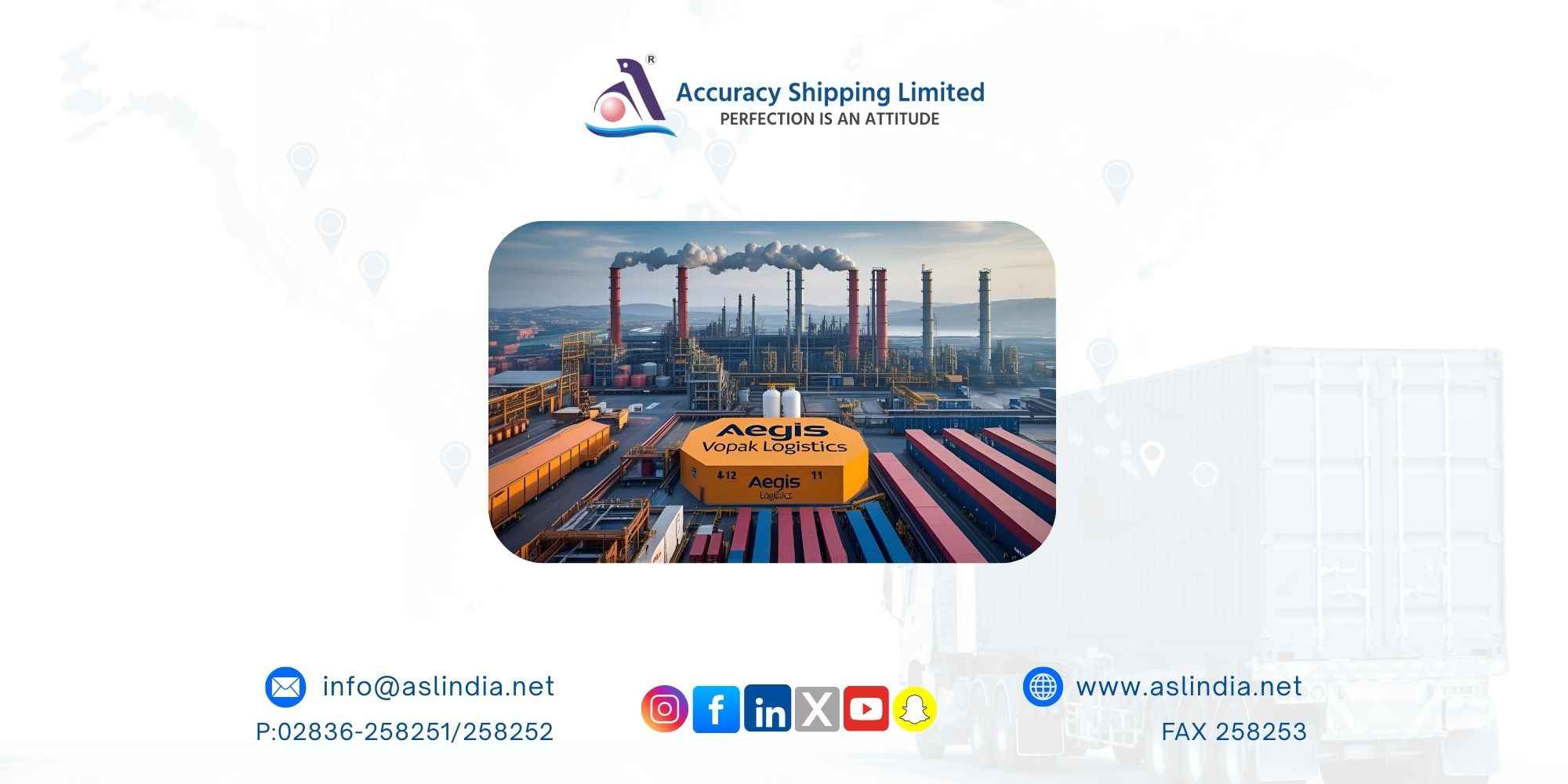
Aegis Logistics sells Pipavav LPG terminal to Aegis Vopak Terminals
 11 Feb, 2026
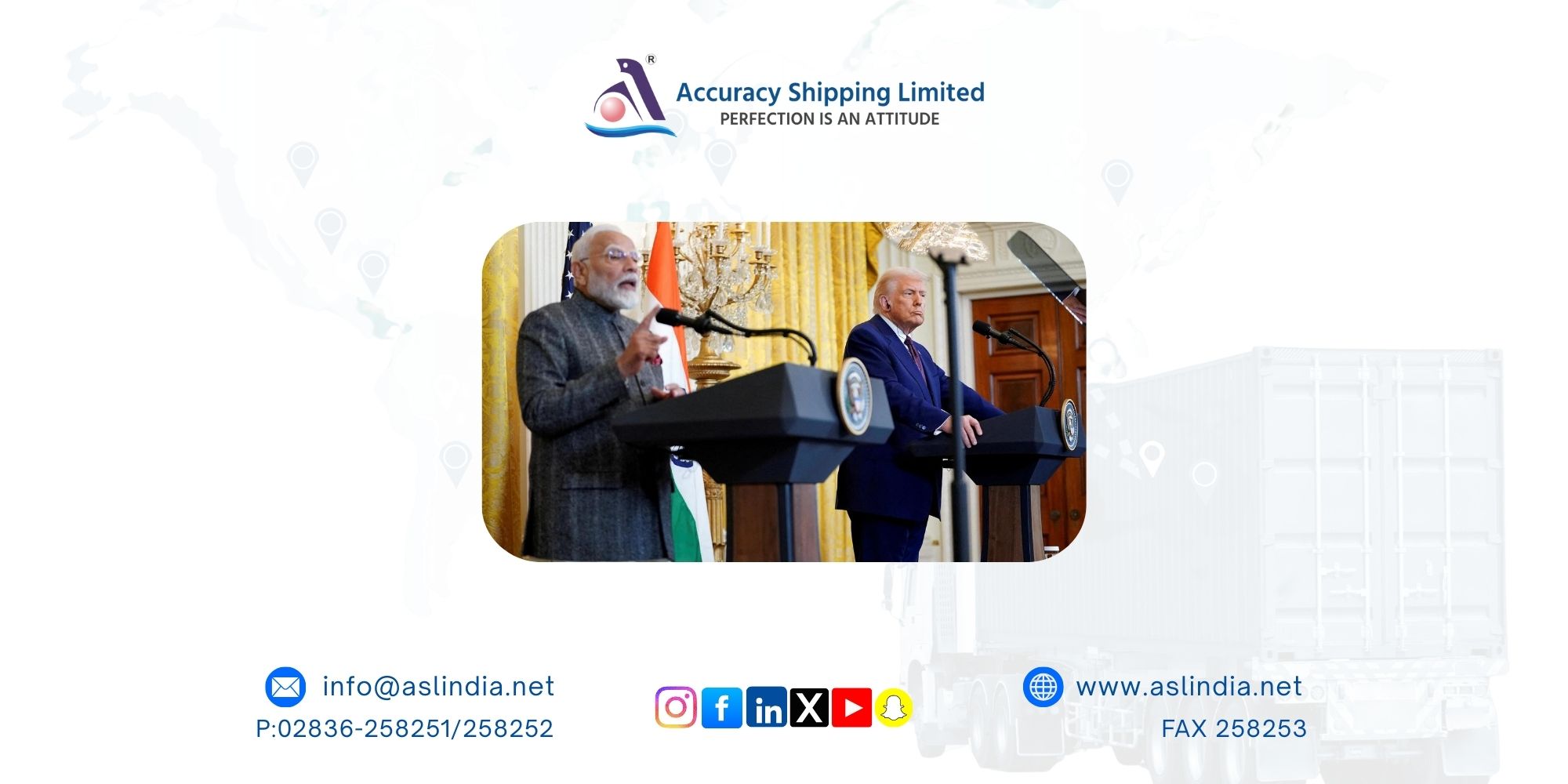
White House drops reference to ‘certain pulses’ in revised fact sheet on trade deal with India
 20 Feb, 2026

