



Cervical Cancer Awareness Month: Gynaecologist answers if it's 100 percent curable and smoking is one of the key causes

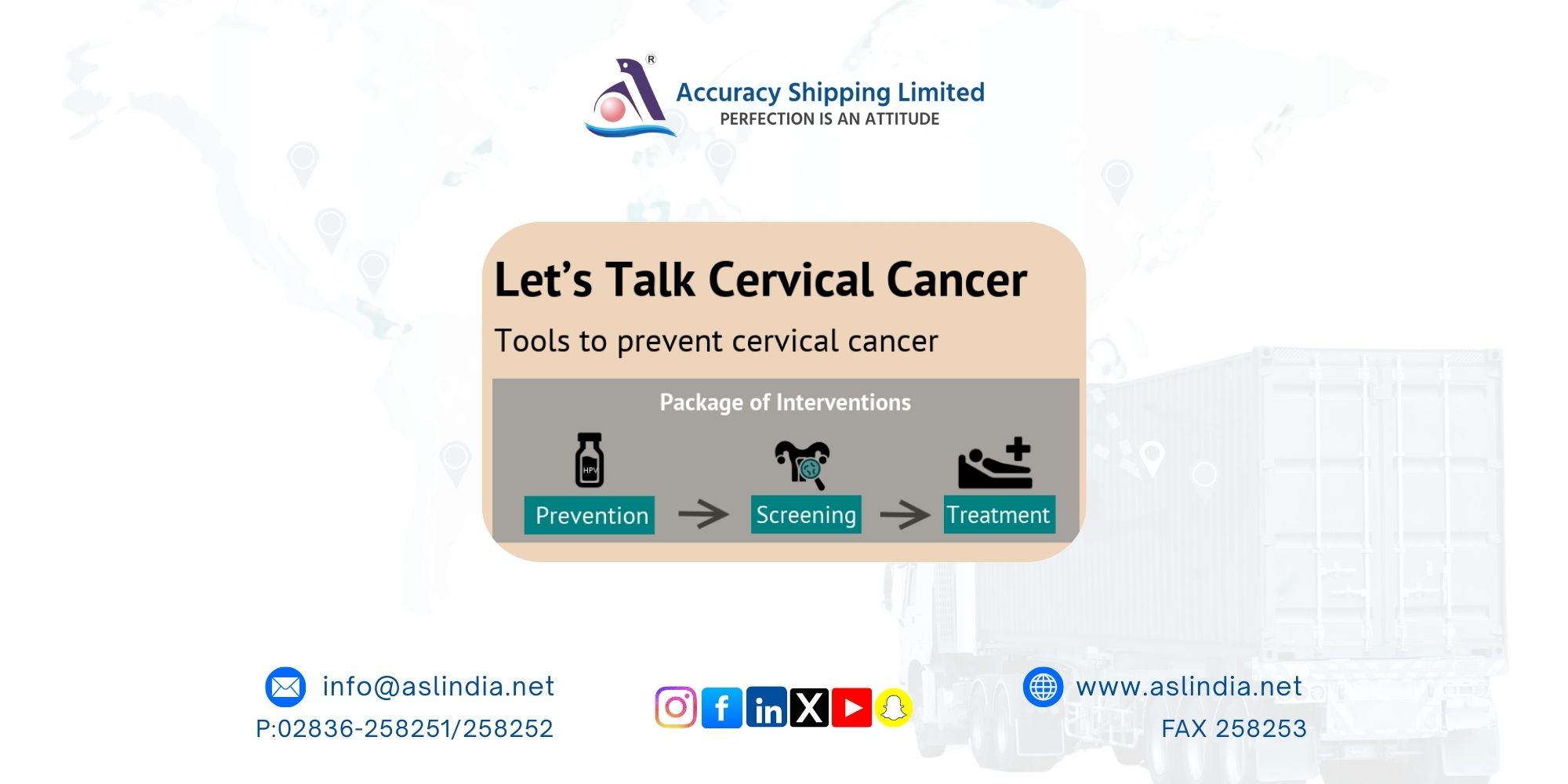
Cervical Cancer Awareness Month is a reminder that one of the most common cancers affecting Indian women is also one of the most preventable. With the right mix of vaccination, regular screening, and awareness, cervical cancer does not have to be a life-threatening disease. Doctors across India continue to stress that empowering women with timely information and access to care can dramatically reduce deaths linked to this cancer.
Why cervical cancer remains a major concern in India
Cervical cancer continues to be one of the leading causes of cancer-related deaths among Indian women. According to data from the Indian Council of Medical Research – National Institute of Cancer Prevention and Research, India recorded more than 1.27 lakh new cervical cancer cases in 2022, with nearly 79,000 deaths each year. The disease often progresses silently, showing no symptoms for years, which is why many women are diagnosed at an advanced stage.
Doctors emphasise that prevention is possible. Vaccination before exposure, regular screening at the right intervals, and early counselling together can significantly reduce the burden of cervical cancer across the country.
What causes cervical cancer?
More than four out of five cervical cancer cases in India are caused by high-risk Human Papillomavirus (HPV) strains, particularly types 16 and 18, as reported by the National Cancer Registry Programme. HPV is extremely common and spreads easily through skin-to-skin contact.
Dr C P Dadhich, Obstetrician and Gynaecologist at CK Birla Hospitals, Jaipur, explains that limiting HPV to sexual transmission alone is a misconception. This misunderstanding often delays prevention and fuels unnecessary fear, when in reality, HPV exposure is widespread and largely unavoidable without vaccination.
Does the HPV vaccine stop 90 percent of cervical cancer?
Medical evidence shows that the HPV vaccine can prevent nearly 90 percent of cervical cancer cases. Countries with strong vaccination programs have already reported sharp declines in precancerous cervical lesions. Similar initiatives in Indian cities, including school outreach and community vaccination drives, are beginning to show encouraging results.
One of the biggest challenges remains misinformation. Concerns around fertility, long-term side effects, or the belief that the vaccine is only for sexually active individuals often lead to hesitation. Doctors confirm that none of these fears are supported by scientific evidence.
Medical guidelines clearly state that the HPV vaccine is safe, does not affect fertility, and plays a vital role in protecting long-term reproductive health. The ideal age for vaccination is between 9 and 14 years, though young adults up to 26 years can still benefit.
Is cervical cancer 100 percent curable?
Cervical cancer is highly treatable when detected early, but it cannot always be considered 100 percent curable in advanced stages. Vaccination alone is not enough. Regular Pap smears and HPV testing can detect abnormal changes years before cancer develops.
Screening every three to five years is one of the most effective and affordable ways to reduce mortality. According to doctors, it is not the disease itself but delayed diagnosis that makes cervical cancer dangerous. Early-stage changes are often simple to treat, preventing progression to cancer.
Does smoking increase the risk of cervical cancer?
Smoking does not directly cause HPV, but it significantly increases vulnerability to HPV infection and cervical cancer. Smoking weakens the immune system, making it harder for the body to clear HPV infections. Other risk factors include poor genital hygiene, long-term use of certain medications without medical advice, weakened immunity, and having multiple sexual partners.
Healthy lifestyle choices support cervical health, but they cannot replace vaccination or routine screening.
Is cervical cancer preventable and treatable?
India has a strong opportunity to reduce cervical cancer deaths by focusing on four key pillars:
• Expanding HPV vaccination among adolescents
• Ensuring routine screening for women above 30 years
• Building awareness at school and community levels
• Creating accessible, community-driven vaccination and screening pathways
Cervical cancer is not only treatable, but largely preventable. Every girl vaccinated, every woman screened, and every myth corrected brings the country closer to a future where cervical cancer no longer claims the lives of Indian women.
Note to readers: This article is for informational purposes only and is not a substitute for professional medical advice. Always consult a qualified doctor for questions related to any medical condition.
Our Tag:
Share:

.png)
.png)
.png)
Newsletters

 14 Apr, 2025
Tariffs Hit Karnataka Granite Trade, Containers Pile Up at Chennai Port
 23 Apr, 2025
Global shipping navigates Trump tariffs uncertainty
 25 Mar, 2026
RCB sold for USD 1.78 billion to consortium comprising Aditya Birla Group, Times of India
 30 Dec, 2025
Smriti Mandhana reaps reward for class and consistency
 28 Nov, 2025

