



3 Lakh Tonne LPG Stranded Near Strait of Hormuz; Indian Ports on High Alert

Rising Tensions Disrupt Critical Energy Routes
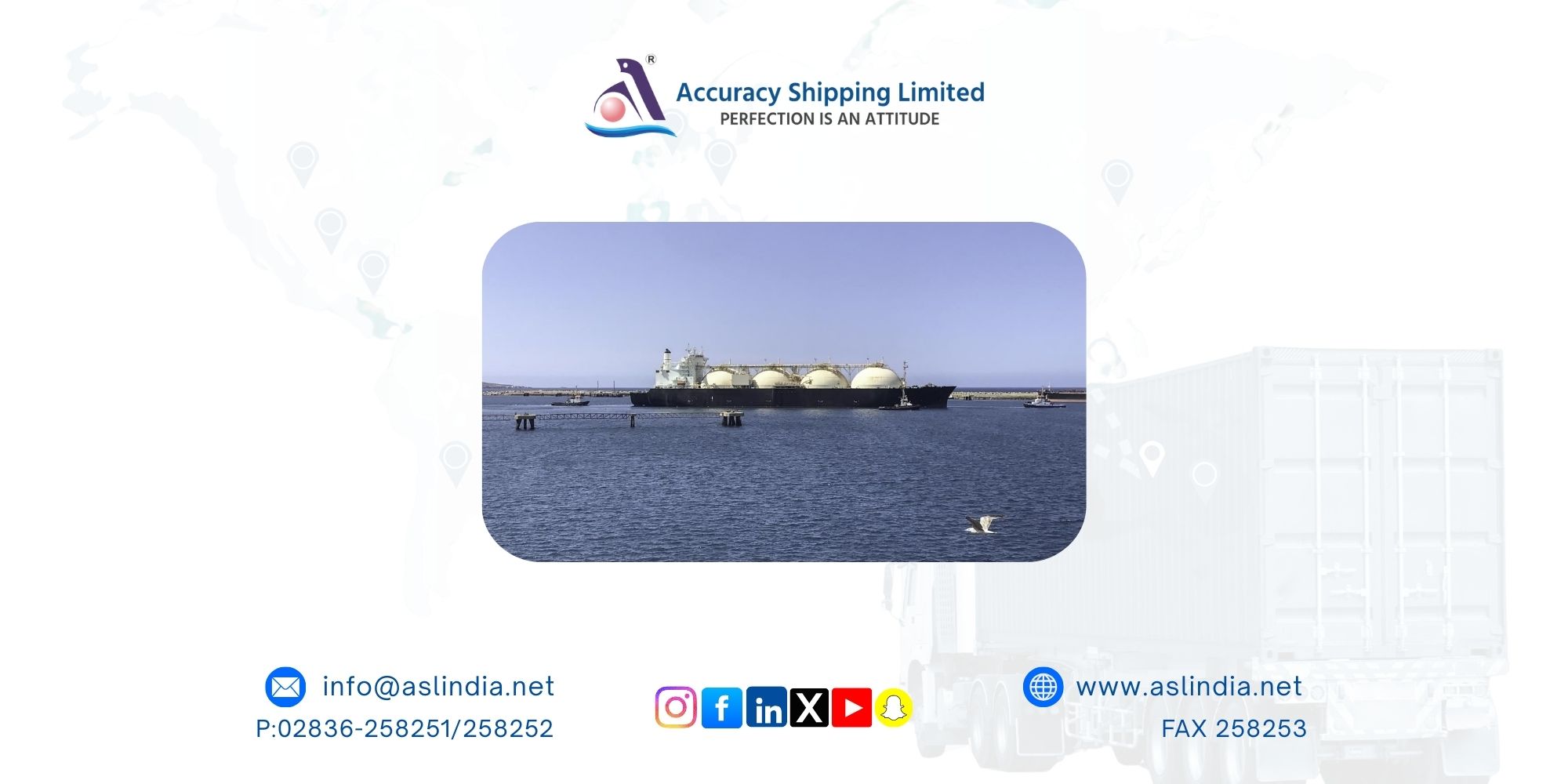
In a significant development highlighting the fragile nature of global energy supply chains, around 3 lakh tonnes of liquefied petroleum gas (LPG) carried by six Indian-flagged vessels are currently stranded near the strategically crucial Strait of Hormuz. The situation comes amid escalating geopolitical tensions in West Asia, raising concerns over fuel supply stability and maritime security.
According to the Ministry of Ports, Shipping and Waterways, these vessels are positioned west of the Strait, awaiting safe passage. The movement of these ships will depend heavily on how the regional situation unfolds in the coming days.
Scale of the Crisis: Massive LPG Cargo at Stake
Rajesh Kumar Sinha, Special Secretary in the ministry, revealed that each Very Large Gas Carrier (VLGC) typically carries about 45,000 tonnes of LPG. With six such vessels stranded, the total cargo volume has reached nearly 3 lakh tonnes, a substantial quantity that could impact domestic supply chains if delays persist.
This disruption underlines the importance of the Strait of Hormuz, through which a significant portion of the world’s energy shipments passes daily. Any instability in this region has immediate ripple effects across global markets, including India.
Partial Relief: Nanda Devi Reaches Indian Shores
Amid the uncertainty, there has been a small but important breakthrough. The LPG carrier Nanda Devi, carrying 46,500 tonnes, successfully reached the Vadinar facility at Kandla Port early Tuesday.
Unloading operations are currently underway and are being conducted through a ship-to-ship transfer system, with discharge rates estimated at 800–900 tonnes per hour. Officials confirmed that operations are proceeding smoothly and that all crew members are safe.
Additionally, unloading from another LPG carrier, Shivalik, is also in progress, offering further relief to supply concerns.
Indian Fleet Presence in the Gulf Region
Authorities have confirmed that a total of 22 Indian vessels are currently stationed in the western Gulf region. These include:
1 LNG tanker
4 crude oil carriers
1 chemical/products tanker
3 container vessels
2 bulk carriers
This diverse fleet presence highlights the scale of India’s maritime trade exposure in the region and the potential risks posed by ongoing geopolitical tensions.
Ports on High Alert: Preparedness Measures Intensified
Indian ports have swiftly ramped up their preparedness to tackle any disruptions. All major ports are:
Closely monitoring vessel movements
Providing logistical assistance
Creating additional storage capacity
Notably, VO Chidambaranar Port has allocated 90,000 square metres specifically for handling transshipment containers, ensuring smoother cargo management during uncertainties.
Container Congestion Easing at JNPA
On a positive note, congestion at Jawaharlal Nehru Port Authority (JNPA) is gradually improving. The number of perishable containers has dropped from approximately 2,000 to 1,000, driven by:
Cargo being redirected to domestic markets
Diversion of vessels to regional hubs such as Salalah and Khor Fakkan
Officials expect the number of stranded containers to further decline to around 600 within the next 24–48 hours, signaling a gradual normalization of operations.
Conclusion: A Delicate Balance Between Risk and Resilience
The stranding of LPG shipments near the Strait of Hormuz underscores the vulnerability of global energy supply chains to geopolitical tensions. While India has demonstrated resilience through proactive port management and contingency planning, the situation remains fluid.
The safe arrival of vessels like Nanda Devi offers reassurance, but with multiple ships still awaiting clearance, the coming days will be critical. As tensions evolve, India’s maritime and energy sectors will need to remain vigilant to ensure uninterrupted supply and operational stability.
Our Tag:
Share:

.png)
.png)
.png)
Newsletters
 12 Jun, 2025
PM Modi brushed aside request to stop Sheikh Hasina’s political statements, says Yunus
 23 Feb, 2026
Paradip Port Authority Achieves ISO 45001:2018 Certification for Occupational Health and Safety
 22 Jul, 2025
Google Pixel 10 Pro teased ahead of August 20 launch: Know about exclusive offer
 14 Nov, 2025
8 things that changed for market overnight- Gift Nifty, US markets sell-off, Bihar election results
 16 Jun, 2025

