



Trump dials down after Iran hits world's largest LNG plant in Qatar: 'Israel won't attack...'

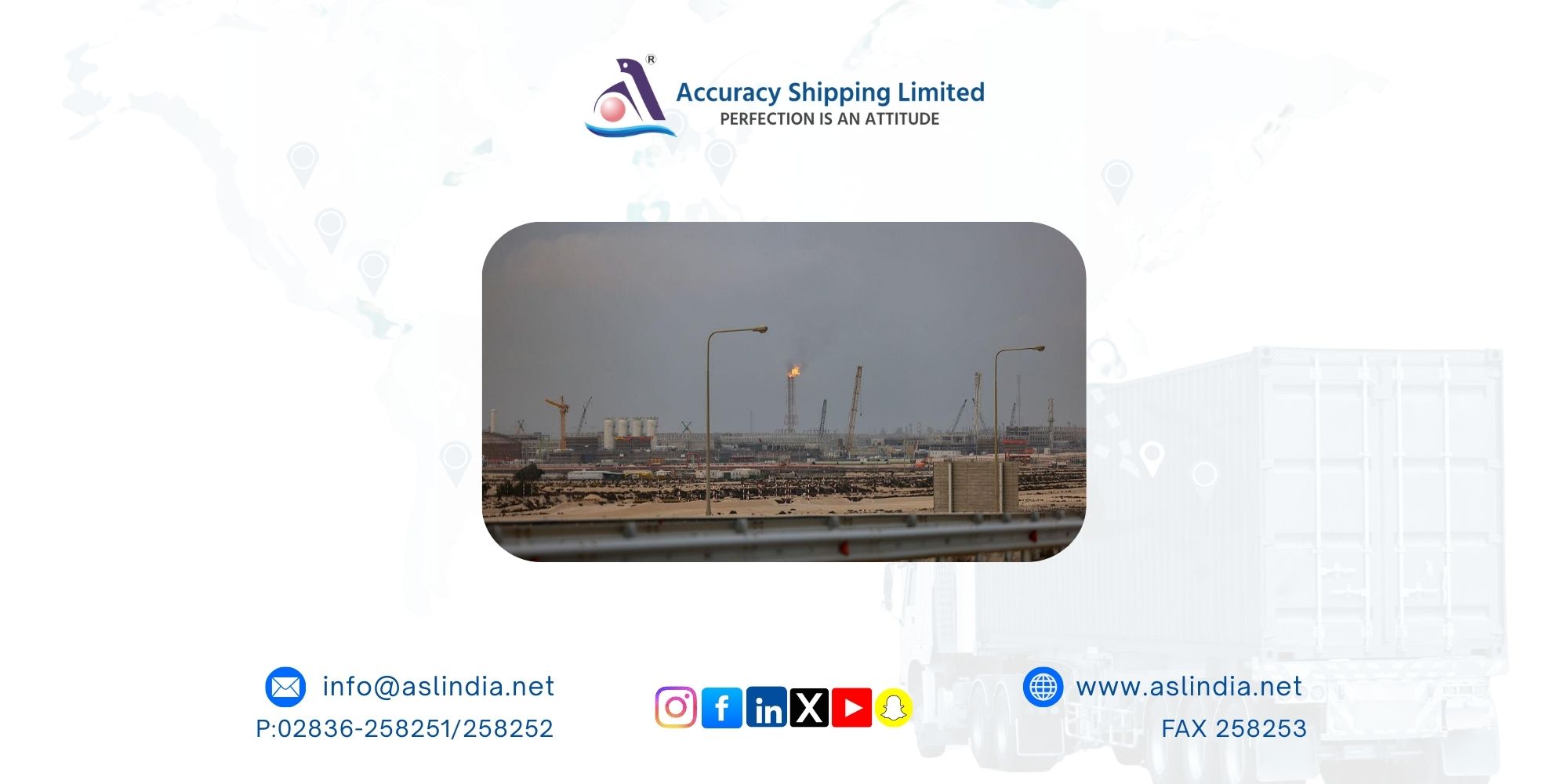
Rising Tensions in the Middle East Energy Corridor
In a dramatic escalation of the ongoing US-Iran conflict, global attention has turned sharply toward the Gulf region after Iran launched missile strikes targeting Qatar’s liquefied natural gas (LNG) infrastructure one of the most critical energy hubs in the world.
Amid fears of a broader regional war and a potential global energy crisis, US President Donald Trump struck a more cautious tone, signaling restraint while simultaneously issuing a stern warning to Tehran.
Trump Signals Restraint, But Warns of Severe Retaliation
Donald Trump clarified that Israel would not carry out further attacks on Iran’s massive South Pars gas field, a key shared resource between Iran and Qatar.
“NO MORE ATTACKS WILL BE MADE BY ISRAEL pertaining to this extremely important and valuable South Pars Field,” Trump stated on Truth Social.
However, the US President paired this reassurance with a strong warning. He emphasized that while he wants to avoid large-scale destruction due to its long-term consequences, the United States would not hesitate to act if Iran escalates further.
“I do not want to authorize this level of violence… but if Qatar’s LNG is again attacked, I will not hesitate.”
This dual messaging reflects a delicate balance attempting to de-escalate tensions while maintaining a credible deterrent.
Iran’s Strikes Hit Qatar’s LNG Infrastructure
Qatar confirmed that Iranian missile attacks caused significant damage to multiple LNG facilities, sparking fires across key sites. Emergency teams have been working to contain the situation, with no casualties reported so far.
QatarEnergy, the state-owned energy giant, stated that while production had already been halted earlier due to the conflict, the latest damage could delay the resumption of operations even after hostilities end.
As one of the world’s largest LNG exporters, Qatar plays a crucial role in supplying natural gas to global markets particularly to Europe and Asia. Any prolonged disruption could have far-reaching consequences.
A Cycle of Retaliation: South Pars Strike and Beyond
The latest attacks appear to be part of a retaliatory cycle. Iran’s strikes on Qatar followed an earlier Israeli attack on Iran’s South Pars gas field in the Persian Gulf.
Iranian President Masoud Pezeshkian condemned the strike, warning of “uncontrollable consequences” that could spiral into a broader global crisis.
Trump distanced the United States from the Israeli operation, stating:
“The United States knew nothing about this particular attack… and Qatar was in no way involved.”
He also noted that only a small portion of the vast South Pars facility was impacted.
Gulf Region Under Fire
The conflict is no longer confined to Iran and Qatar. Iran has expanded its attacks across the Gulf, targeting energy infrastructure in:
Saudi Arabia’s oil-rich Eastern Province
The United Arab Emirates
Kuwait
Bahrain
In response, Qatar strongly condemned Iran’s actions, calling them a “blatant violation of international law” and expressing full solidarity with Saudi Arabia and the UAE.
The Qatari Ministry of Foreign Affairs emphasized that targeting civilian infrastructure and energy facilities crosses “all red lines” and threatens regional stability.
Global Energy Markets on Edge
The geopolitical escalation is already sending shockwaves through global energy markets:
Oil prices surged over 5%, crossing $108 per barrel
Brent crude has risen nearly 50% since February 28
LNG supply disruptions threaten energy security in multiple regions
One of the biggest concerns is the disruption in the Strait of Hormuz a critical maritime chokepoint through which nearly 20% of the world’s oil supply flows.
Iran’s tightening grip over this route has raised alarms about shipping delays, supply shortages, and further price volatility.
What Lies Ahead?
The situation remains highly volatile. While Trump’s statement suggests a temporary pause in escalation particularly regarding Israel’s actions the broader conflict continues to intensify across multiple fronts.
With energy infrastructure increasingly becoming a target, the stakes are no longer limited to regional politics. The ripple effects are being felt globally, from rising fuel prices to concerns over long-term energy security.
If further attacks occur, especially on Qatar’s LNG facilities, the possibility of direct and large-scale US intervention could dramatically reshape the conflict and the global economy.
Conclusion:
Trump’s attempt to dial down tensions offers a brief window of hope, but the continued attacks on critical energy infrastructure highlight the fragility of the situation. As the Middle East conflict deepens, the world watches closely aware that the next move could have far-reaching consequences beyond the region.
Our Tag:
Share:

.png)
.png)
.png)
Newsletters

 05 Dec, 2025
Sanjay Malhotra-led MPC cuts repo rate by 25 bps to 5.25%; ups FY26 GDP growth estimates
 21 Jan, 2026
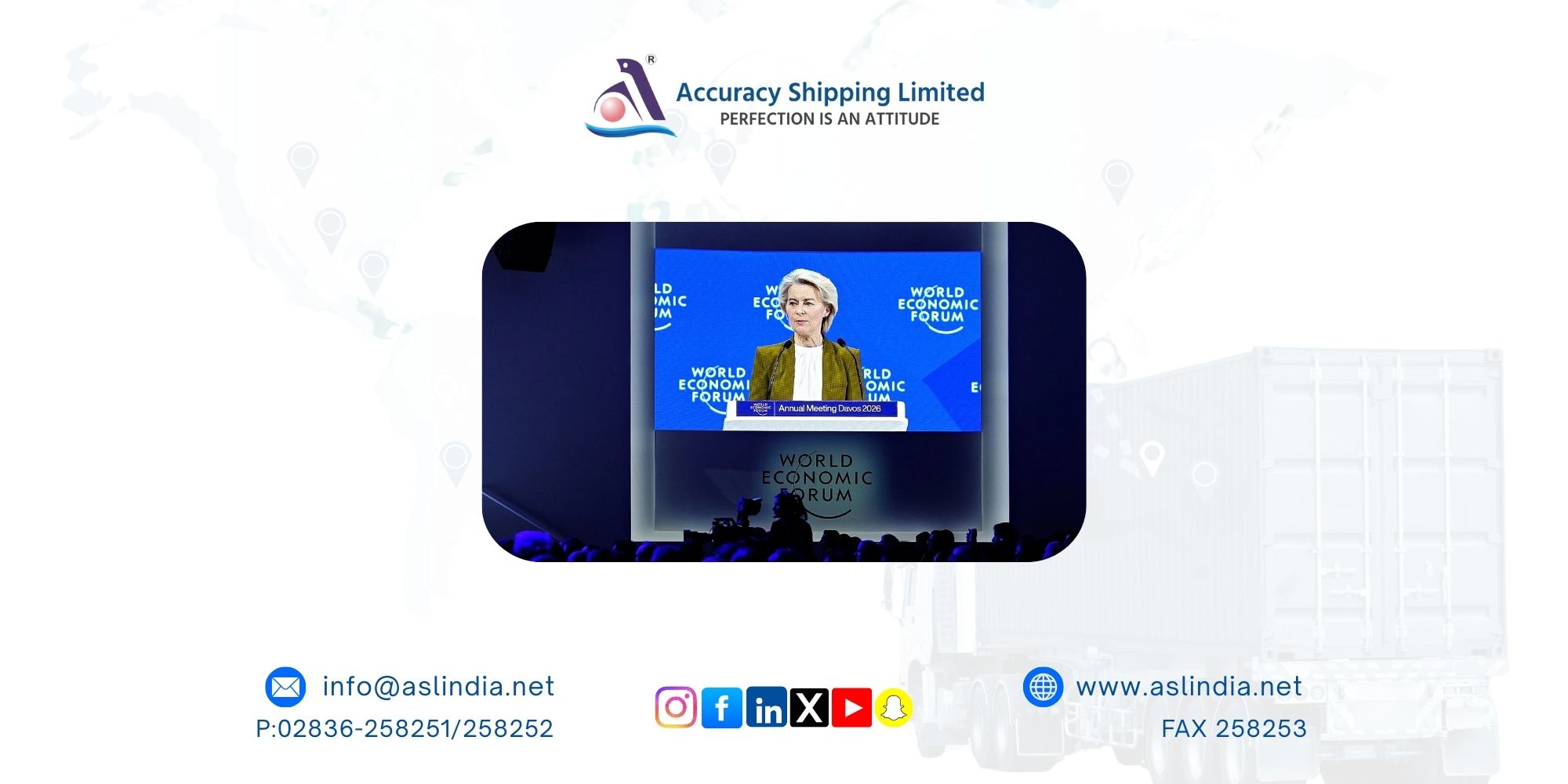
EU on cusp of historic trade deal with India: Ursula von der Leyen
 22 Jan, 2026
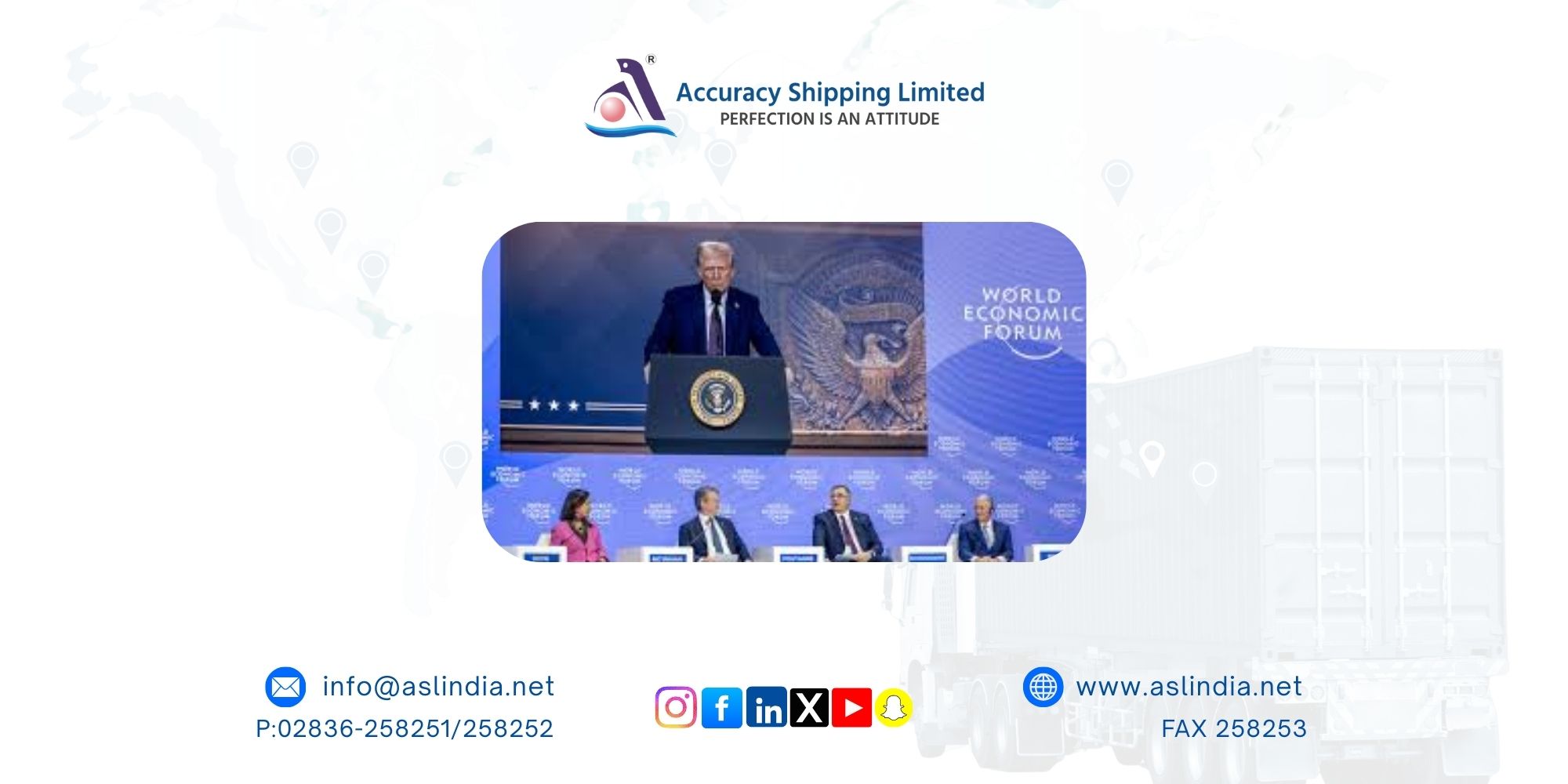
Trump cancels tariff threat over Greenland, says NATO agreed to 'framework' of future Arctic deal
 29 Oct, 2025
IMW 2025: NMPA signs MoUs worth ₹52,599 crore, showcases maritime leadership
 31 Mar, 2026

