



Trump cancels tariff threat over Greenland, says NATO agreed to 'framework' of future Arctic deal

Introduction
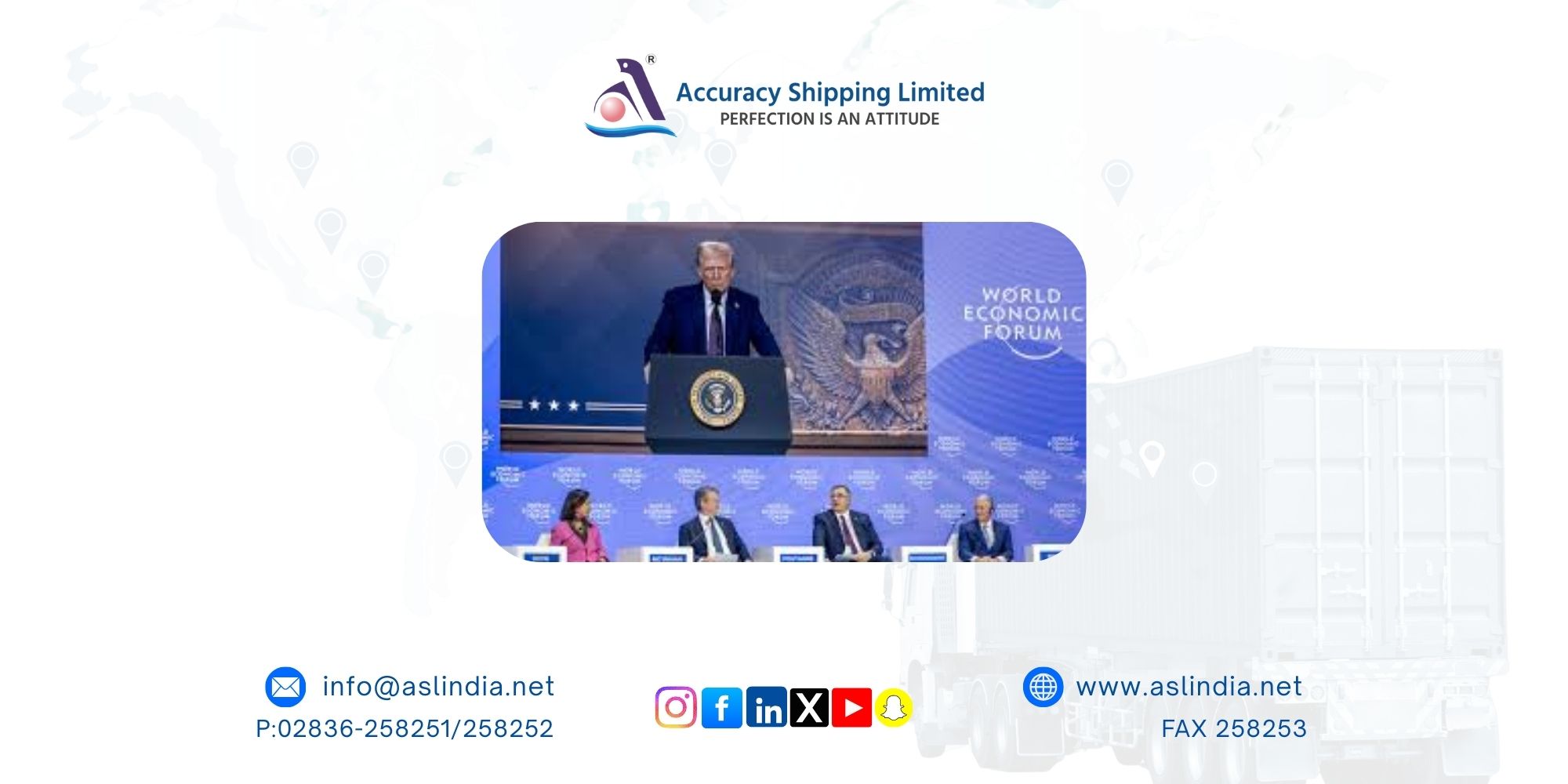
A dramatic shift in tone from Washington sent ripples across global diplomacy when Donald Trump announced he was cancelling a planned tariff on U.S. allies in Europe linked to American ambitions over Greenland. The reversal came after discussions with NATO leadership, which Trump said resulted in a framework for a future agreement on Arctic security. The implications of his remarks were enormous, raising questions about alliance unity, sovereignty, and the future balance of power in the Arctic.
A sudden policy reversal
On Wednesday, January 21, 2026, President Trump said he would drop his proposed tariffs on European allies following talks that outlined a potential NATO-led framework for Arctic cooperation. The announcement marked an abrupt about-face, made only hours after he had reiterated his desire to “get Greenland, including right, title and ownership.” While insisting he would not use force, Trump openly criticised European allies and warned NATO not to obstruct U.S. expansionist goals.
Extraordinary remarks at Davos
Speaking at the World Economic Forum in Davos, Trump described Greenland as “cold and poorly located,” yet strategically vital. He argued that the United States had historically “saved Europe” during World War II and framed his demands as modest in comparison to decades of American security commitments. Referring to NATO, he said acquiring Greenland was “a very small ask compared to what we have given them for many, many decades.”
Force rejected, pressure applied
Trump acknowledged that the U.S. could obtain Greenland through overwhelming force but claimed he had no intention of doing so. He stated that while such action would be “unstoppable,” he neither needed nor wanted to use military power. Instead, his comments reflected a familiar negotiating tactic: escalating pressure to extract favourable outcomes, particularly ahead of high-profile international forums.
Why Greenland matters
The President has long argued that U.S. control of Greenland is essential to counter growing Russian and Chinese activity in the Arctic Ocean. This is despite the U.S. already operating a significant military base on the island. NATO members have consistently rejected the idea that Greenland is for sale, maintaining that it cannot be separated from Denmark, a founding member of the alliance.
Denmark and NATO push back
Danish officials signalled a willingness to discuss American security concerns but firmly underscored that Danish sovereignty represents a red line. Foreign Minister Lars Løkke Rasmussen welcomed Trump’s assurance that military force was off the table but criticised the broader mindset behind the remarks, saying it conflicted with established principles of territorial integrity. He reiterated that both Denmark and Greenland are NATO members and fully entitled to exercise sovereignty.
Greenland prepares for uncertainty
Trump’s rhetoric has had tangible effects on the ground in Greenland. The local government issued a public preparedness handbook in both English and Greenlandic, advising residents to stock essential supplies to survive at least five days during a crisis. In Nuuk, residents like Tony Jakobsen responded by purchasing food, water, fuel, and basic necessities. While many see Trump’s statements as threats rather than imminent action, the prevailing sentiment is that preparedness is prudent.
Warnings and negotiations
Trump urged Denmark and NATO to step aside, warning that refusal would be remembered. He called for immediate negotiations to acquire Greenland but declined to specify a financial price, instead emphasising the broader cost of security and global stability. His language suggested that strategic leverage, rather than traditional diplomacy, would guide U.S. efforts.
Europe, the U.S., and economic contrasts
Beyond Greenland, Trump used his Davos appearance to contrast what he described as a booming U.S. economy with a stagnating Europe. He said Europe was “not heading in the right direction” and stressed that the United States wants strong, not weakened, allies. According to Trump, European economies follow the U.S. both in downturns and recoveries, reinforcing his view of American leadership as central to global economic health.
Global reaction and what comes next
Despite delays caused by a minor aircraft issue and mixed reactions from onlookers, Trump’s speech drew a packed audience of global leaders, executives, and billionaires. The response inside the hall was largely polite, though cautious. Afterward, Trump met with several world leaders and again confirmed that a military invasion of Greenland was not under consideration.
Conclusion
Trump’s decision to cancel tariff threats while floating a NATO-backed Arctic framework reflects a complex mix of pressure, negotiation, and strategic ambition. While immediate economic retaliation has been avoided, the episode has exposed deep tensions within the transatlantic alliance. As Arctic geopolitics intensify, Greenland’s strategic importance ensures that this debate is far from over, and the balance between security, sovereignty, and alliance unity will remain under close global scrutiny.
Our Tag:
Share:

.png)
.png)
.png)
Newsletters

 25 Jul, 2025
Super Freight delivers four massive mobile harbour cranes for Indian ports
 14 Apr, 2025
Bimco approve revision to war risk clauses to charter parties
 27 May, 2025
India now exports trains to the world: PM Modi in Dahod
 05 Sep, 2025
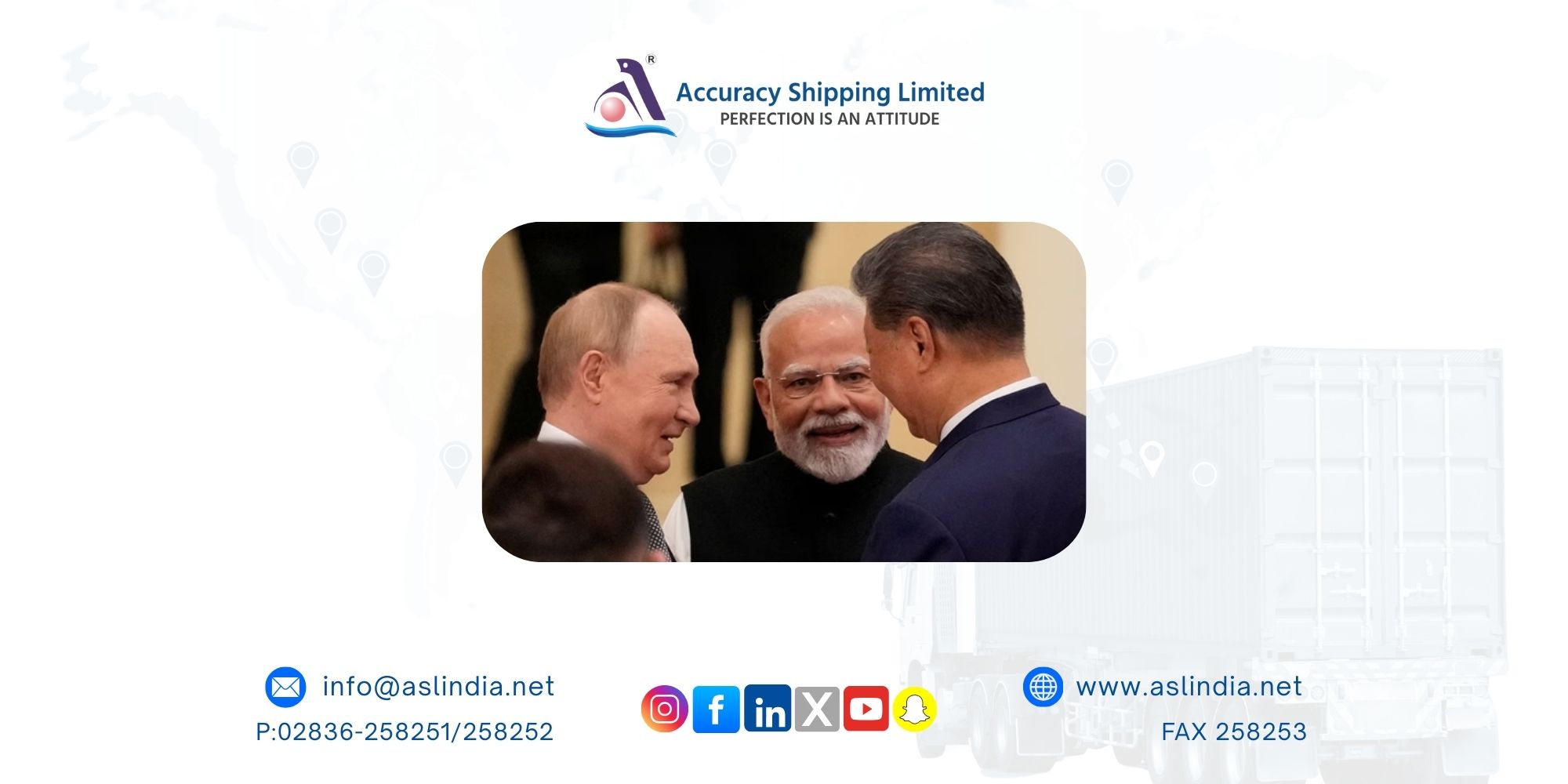
‘Pushed PM Modi closer to China…alternative to US’: John Bolton fires fresh salvo at Donald Trump over 50% tariffs
 16 Jul, 2025

