



Trump all set to announce coalition to escort ships through Strait of Hormuz as threats, global appeal fail

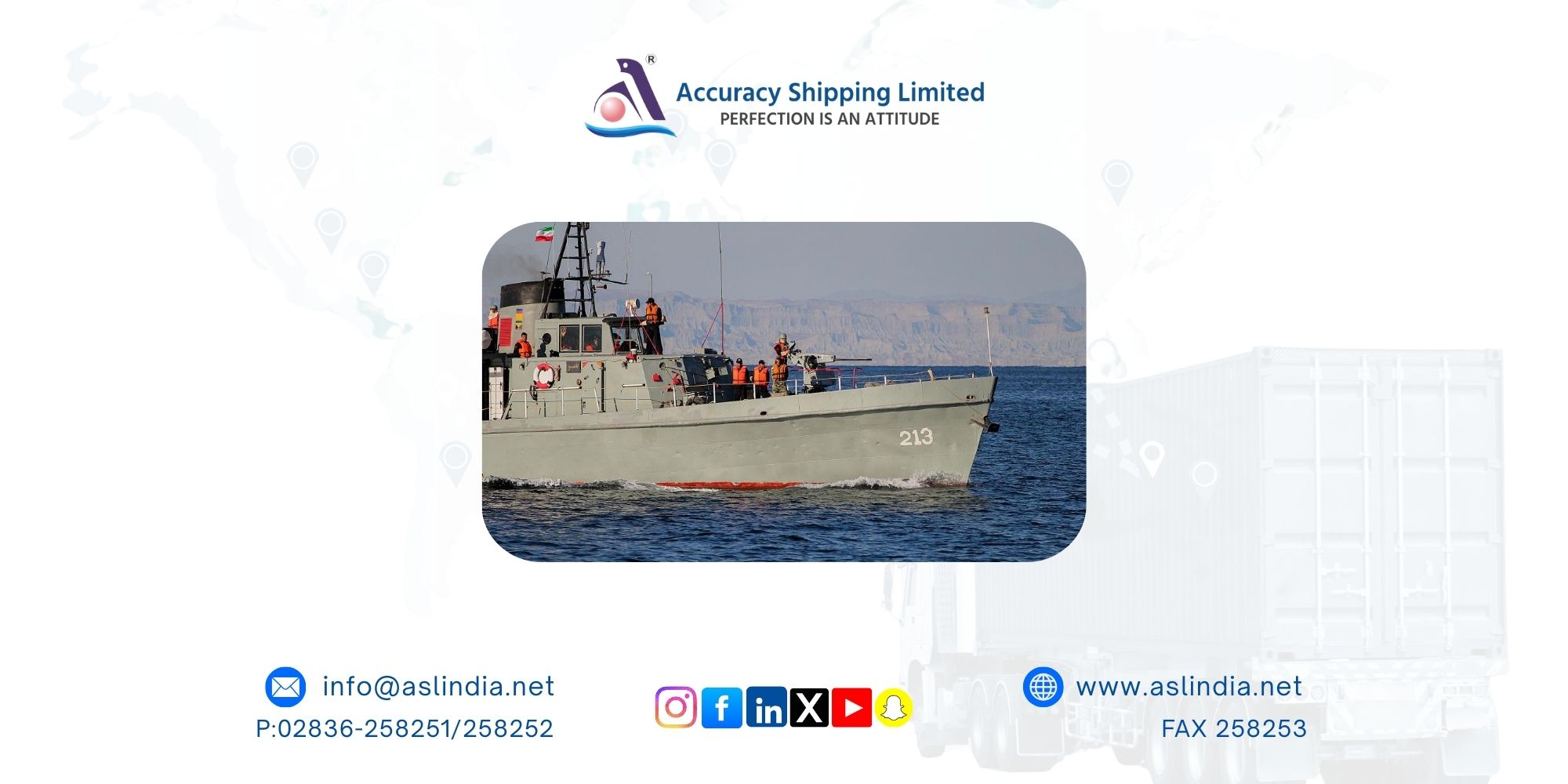
The ongoing tensions in the Middle East have pushed global energy markets and maritime trade into a state of uncertainty. As the conflict enters its third week, former US President Donald Trump has intensified efforts to ensure the safety of international shipping routes through the strategic Strait of Hormuz. Reports suggest that the Trump administration is preparing to announce a multinational coalition aimed at escorting ships through the narrow but crucial waterway after earlier diplomatic appeals failed to secure widespread commitments from other nations.
Importance of the Strait of Hormuz in Global Trade
The Strait of Hormuz is one of the most strategically important maritime routes in the world. At its narrowest point, the strait is only about 33 kilometres wide, yet it serves as the primary passage for crude oil exports from Gulf countries to international markets.
Nearly one-fifth of the world’s oil supply moves through this corridor, connecting the Persian Gulf with the Gulf of Oman and ultimately global shipping lanes. Any disruption in this passage has the potential to trigger severe economic consequences worldwide.
Following recent threats by Iran to target vessels passing through the strait, global crude oil prices have surged, pushing several energy-importing nations closer to a potential energy crisis.
Trump’s Plan to Form a Naval Escort Coalition
According to reports citing US officials, the Trump administration plans to announce a coalition of countries that will escort commercial vessels through the Strait of Hormuz to ensure safe passage. The announcement could come as early as this week.
Multiple countries have reportedly agreed to join the bloc, though officials are still determining the timeline for operations. The coalition’s naval missions could begin either before or after the ongoing hostilities in the region come to an end.
Trump has also urged several major economies to contribute warships to keep the strait open. Countries he mentioned include:
China
France
Japan
South Korea
United Kingdom
However, despite his appeals, there has been no immediate confirmation from these countries regarding participation in the proposed coalition.
Trump highlighted that China receives nearly 90% of its oil imports through the Strait of Hormuz, while the United States relies far less on the route. His statement was widely interpreted as an attempt to push global powers, especially energy-dependent nations, to take greater responsibility in protecting the shipping corridor.
Strong Statements From Trump
Over the past few days, Trump has repeatedly emphasized the importance of keeping the strait open and secure. In a social media post, he warned that the United States would take aggressive action if necessary.
He stated that the US military could launch strikes on coastal targets and Iranian vessels if the blockade continues, asserting that the Strait of Hormuz would soon become “open, safe, and free.”
Trump also called on countries benefiting from oil shipments through the strait to contribute directly to maintaining its security, arguing that the burden should not fall solely on the United States.
International Reactions and GCC Support
Amid the growing tensions, the foreign ministers of the United Kingdom and members of the Gulf Cooperation Council (GCC) released a joint statement supporting regional security efforts.
The statement affirmed that GCC nations have the right to take all necessary measures to defend their security, stability, and citizens in response to escalating threats.
While the statement did not directly confirm participation in Trump’s proposed coalition, it signaled strong support for maintaining stability and security in the Gulf region.
Iran’s Firm Response to US Pressure
Iran has strongly rejected US pressure and has vowed retaliation against continued attacks by the United States and Israel.
Tehran has been launching missiles and drones targeting locations across the Middle East, signaling its readiness to escalate the conflict if necessary.
Following US strikes on Kharg Island, a major Iranian oil export hub, Iran warned that it could expand attacks to include US military bases across the region, including those in Doha and Dubai.
Iran’s Foreign Minister Abbas Araghchi insisted that the Strait of Hormuz remains open to most international shipping.
According to Araghchi, the route is only restricted for American and Israeli ships, which Iran considers hostile.
He stated that vessels from other countries are still allowed to pass and revealed that several nations have approached Iran seeking assurances for safe passage. In fact, he confirmed that a group of vessels from multiple countries had already been permitted to cross the strait.
Interestingly, Indian vessels are among those that have safely crossed the Strait of Hormuz despite the rising tensions in the region.
Rising Stakes for Global Energy Security
The situation surrounding the Strait of Hormuz underscores the fragile nature of global energy supply chains. With such a large portion of the world’s oil passing through this narrow corridor, any sustained disruption could trigger dramatic spikes in energy prices and ripple effects across international economies.
Trump’s proposed coalition reflects Washington’s determination to maintain freedom of navigation in one of the world’s most critical shipping routes. However, with Iran refusing to back down and major powers yet to commit fully, the coming weeks could prove decisive for the stability of global energy markets.
As diplomatic efforts continue alongside rising military tensions, the world watches closely to see whether international cooperation can keep the Strait of Hormuz open or whether the conflict will escalate further.
Our Tag:
Share:

.png)
.png)
.png)
Newsletters
 11 Feb, 2026
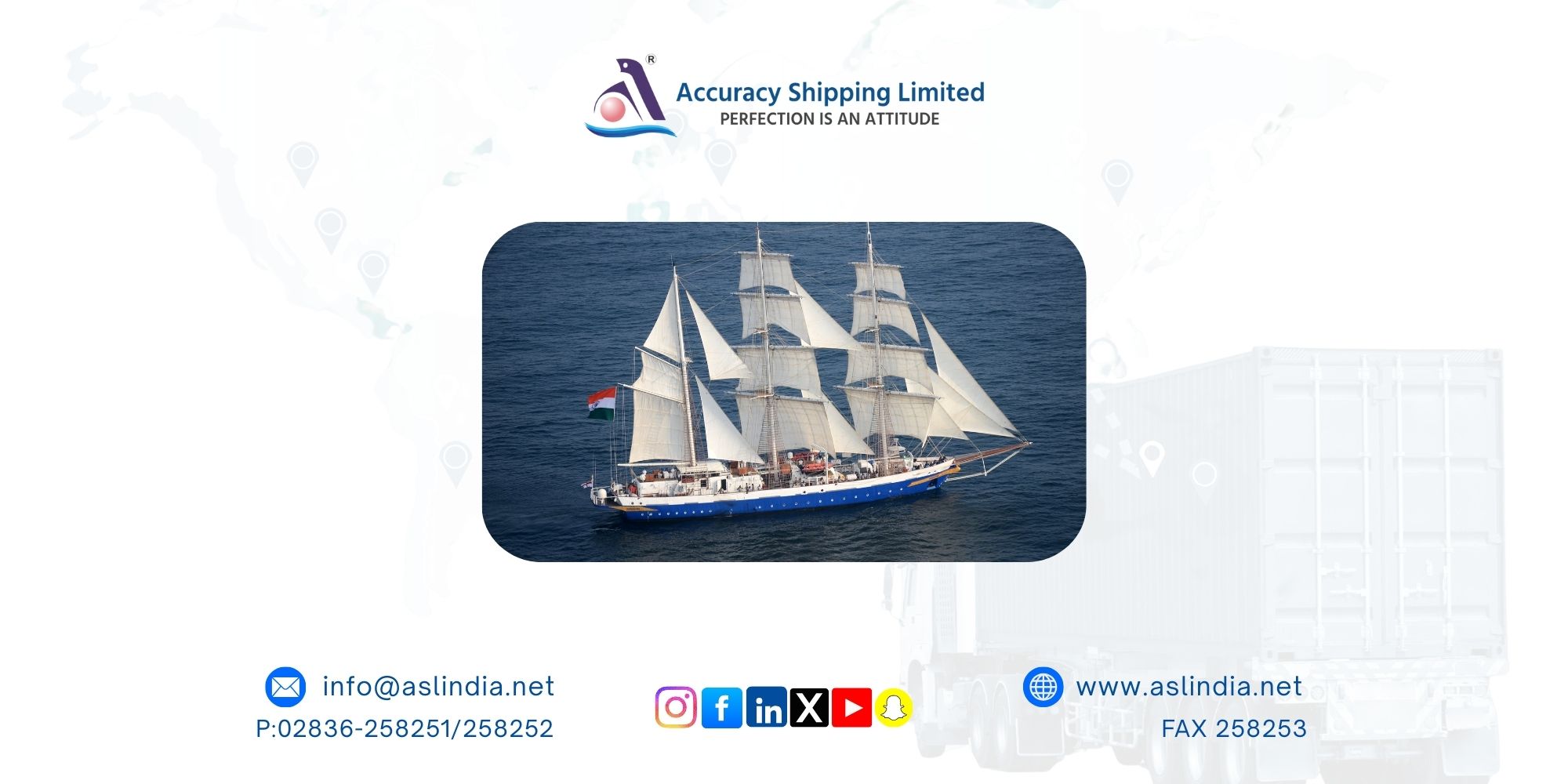
INS Sudarshini Ends Opening Lokayan-26 Port Call at Oman
 18 Apr, 2025
Hardik Pandya calls this player Mumbai Indians' 'gun fielder'
 20 Jun, 2025
Samsung Galaxy Fold 7, Flip 7 may launch with free Google AI Pro access - All details
 31 May, 2025
India-UK FTA to push gem and jewellery exports from USD 400 mn to USD 1 bn: GJEPC
 04 Jul, 2025

