



The water divide: On water contamination, piped water supply in India

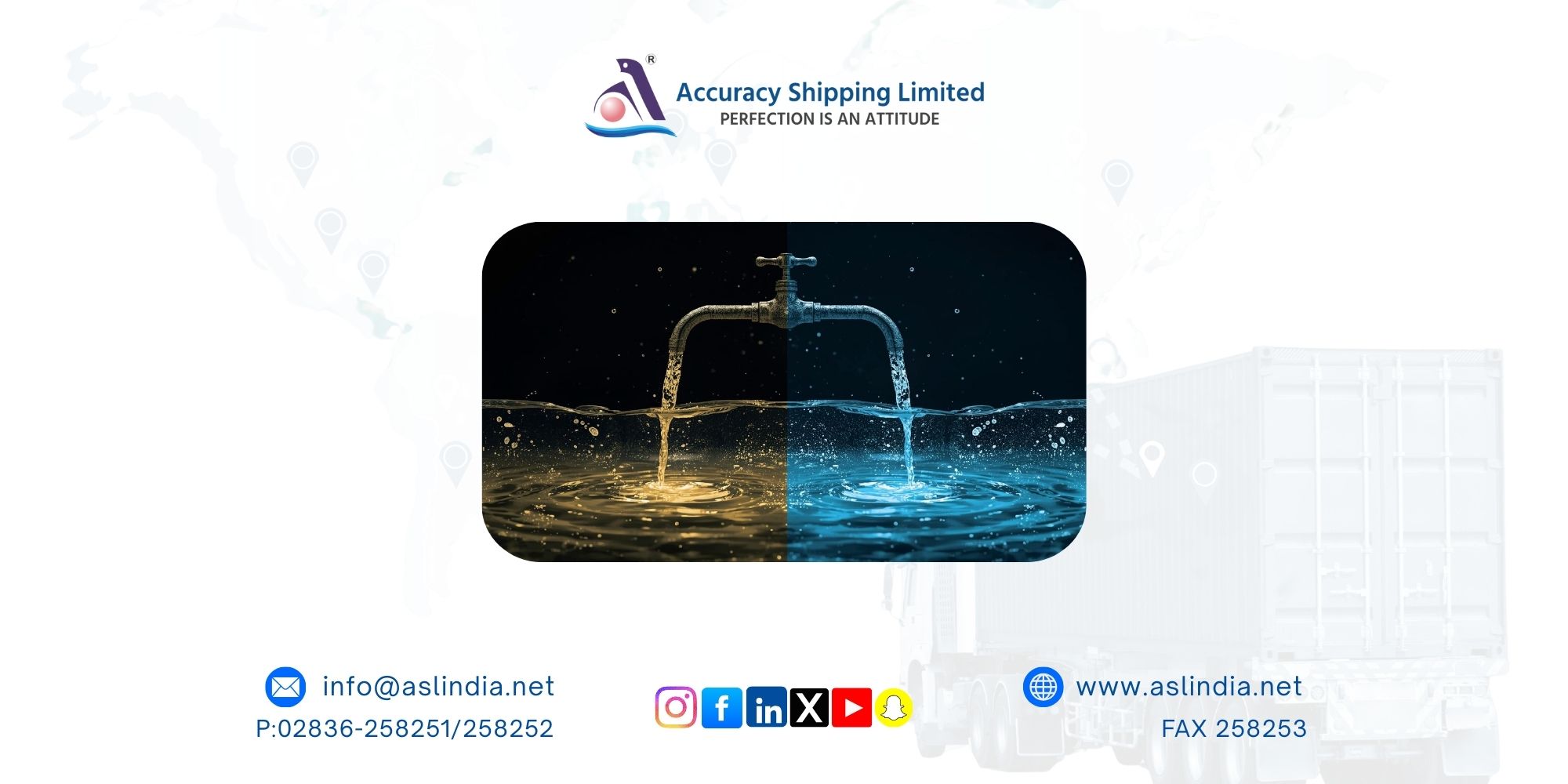
Introduction: A Basic Need Under Threat
An important indicator of public health is the well-being of the poorest sections of society. Access to health, education, infrastructure, clean air, and clean water forms the foundation of a dignified life. While India has made visible progress in many of these areas, recent events show that the country continues to fall short on one of the most basic necessities safe drinking water. The tragedy unfolding in Indore, Madhya Pradesh, has once again exposed deep gaps in India’s water management and monitoring systems.
Indore Tragedy: A Grim Wake-Up Call
At least four people, including a baby, have officially lost their lives in Indore after consuming municipality-supplied piped water, with unofficial estimates putting the death toll much higher. Over 2,000 people fell ill, more than 200 were hospitalised, and dozens remain in intensive care. The irony is stark: Indore has been repeatedly ranked as India’s cleanest city for its waste management and sanitation practices. As has become routine after such disasters, authorities cited delays in installing a new supply line and announced a committee probe. However, this crisis should never have been allowed to reach such fatal proportions. This is also the second major water-related incident in Madhya Pradesh within two months, following protests at a university campus near Bhopal after students contracted jaundice due to contaminated water.
Piped Water Is Not Enough Without Quality Checks
Despite progress under flagship programmes such as the Swachh Bharat Mission and the Jal Jeevan Mission, water safety remains fragile. National Family Health Survey data show that around 96% of households use an “improved source” of drinking water. Municipal piped water is widely assumed to be safe, but that assumption holds only when strict checks and balances exist. The quality of piped water supply must be checked at the delivery point. If proper monitoring had been in place, authorities in Indore could have detected contamination early and warned citizens. Providing access to water is meaningless unless the safety and quality of that water are assured.
Public Health, Policy Gaps, and Infrastructure Failures
India’s high population close to 147 crore also means a high burden of water-borne diseases. Weak enforcement of water quality guidelines, ageing pipelines, sewage leaks, and chemical contamination pose serious risks. While air pollution already damages public health, unsafe drinking water should not add to this growing list of threats. The incidents in Madhya Pradesh underline the urgent need for stronger enforcement of environmental laws, routine testing of water sources, and rapid replacement or repair of old infrastructure.
The Way Forward: From Access to Assurance
The recent deaths must serve as a national wake-up call. All States should immediately test municipal water supplies for chemical and sewage contaminants. Monitoring mechanisms must be strengthened, policies strictly enforced, and accountability fixed at every level. Awareness campaigns can help citizens identify early warning signs and demand transparency. Cities like Indore and many others across India must clean up their water governance urgently. Failure to do so risks turning piped water, meant to be a public good, into a silent killer.
Our Tag:
Share:

.png)
.png)
.png)
Newsletters

 30 Aug, 2025
Indian exporters eye African markets to offset impact of 50% US tariff
 12 Jul, 2025
Northern Arizona resident dies from plague
 25 Apr, 2025
Global Container Shipping Volume to Fall 1%: Drewry Warns of Trade War Fallout
 18 Nov, 2025
Equity markets fall in early trade after six-day rally
 28 Mar, 2026

