



PM Modi launches Rs 830 crore maritime projects in West Bengal: Boost for ports, waterways

Introduction
India’s maritime and inland waterways ecosystem received a major push as Prime Minister Narendra Modi inaugurated and laid the foundation for key maritime infrastructure projects in West Bengal worth Rs 830 crore. These projects are aimed at strengthening port-led development, easing logistics bottlenecks, and positioning the state as a critical trade gateway for eastern and northeastern India.
Balagarh Extended Port Gate System
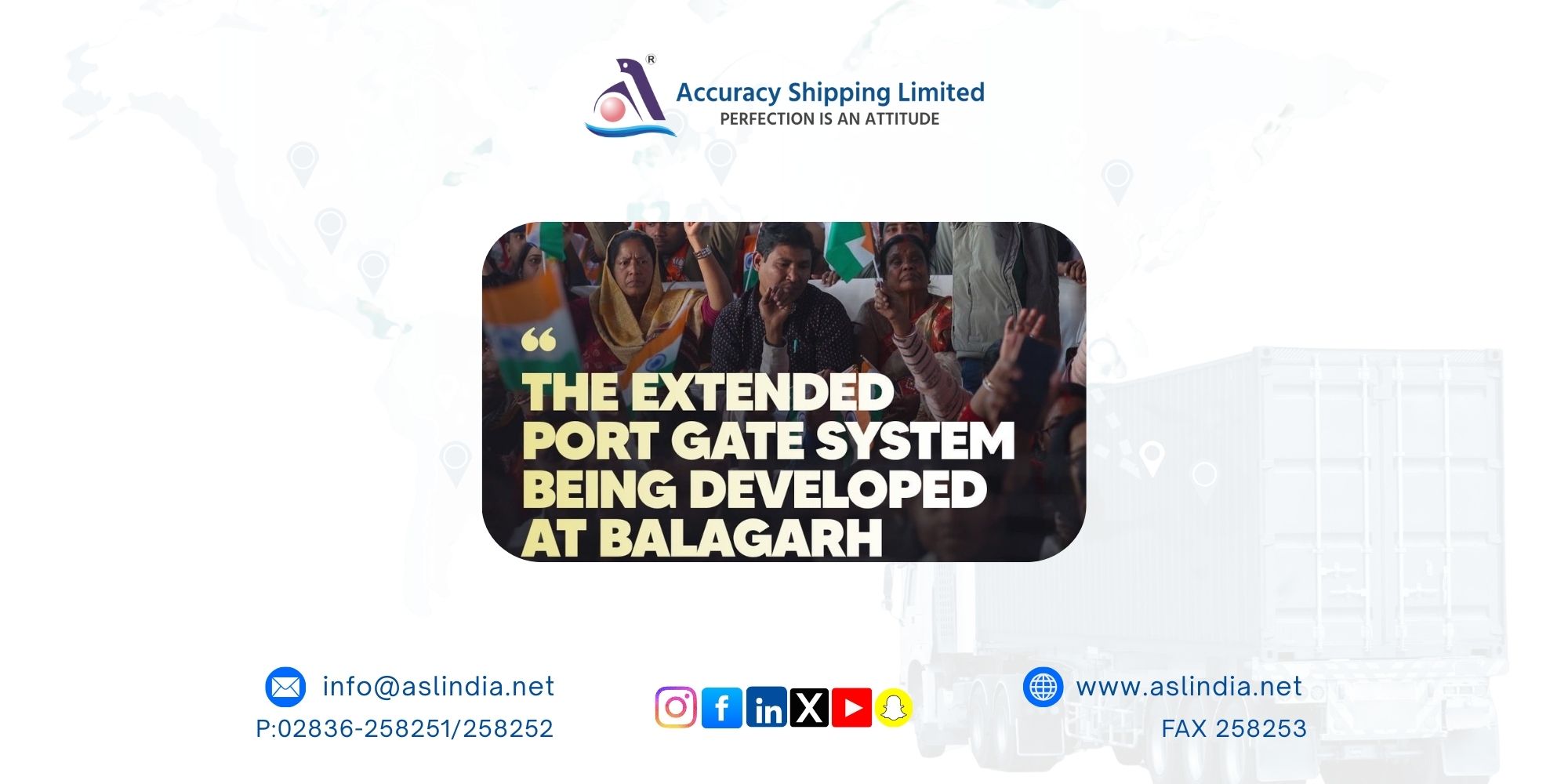
One of the flagship initiatives is the foundation stone laying of the Extended Port Gate System at Balagarh in Hooghly district. Spread across nearly 900 acres, the project includes an Inland Water Transport terminal, a road overbridge, and dedicated jetties for containerised as well as dry bulk cargo.
With a planned handling capacity of around 2.7 million tonnes per annum, this modern cargo terminal is expected to significantly reduce road congestion leading to Syama Prasad Mookerjee Port. It will also create new employment opportunities across logistics, cargo handling, warehousing, and port operations, strengthening the regional supply chain ecosystem.
Launch of hybrid-electric catamaran in Kolkata
In a landmark step towards green and sustainable transport, PM Modi also flagged off the first hybrid-electric catamaran in Kolkata. The vessel has been built by Cochin Shipyard as part of a six-vessel series designed for operations on the Hooghly River.
The catamaran can carry up to 50 passengers and is powered by advanced lithium-titanate batteries, enabling zero-emission propulsion. This initiative supports cleaner urban mobility, promotes eco-friendly tourism, and enhances last-mile connectivity through inland waterways while reducing the carbon footprint of river transport.
Strategic impact on trade and logistics
Together, these projects reflect India’s broader vision of port-led development and multimodal connectivity. By integrating inland waterways, road infrastructure, and port systems, West Bengal is being positioned as a key logistics and trade hub linking eastern India with the Northeast and neighboring regions.
The improved connectivity will benefit MSMEs, regional industries, agricultural producers, and exporters by lowering transportation costs and improving turnaround times. Over the long term, these initiatives are expected to strengthen India’s inland water transport network and reinforce the role of waterways as a sustainable alternative to road and rail logistics.
Conclusion
The Rs 830 crore maritime projects launched by PM Modi mark a significant milestone in India’s maritime infrastructure journey. By combining capacity expansion, green technology, and strategic connectivity, these developments not only boost West Bengal’s economic potential but also contribute to a more efficient, sustainable, and future-ready logistics ecosystem for the country.
Our Tag:
Share:

.png)
.png)
.png)
Newsletters
 28 Apr, 2025
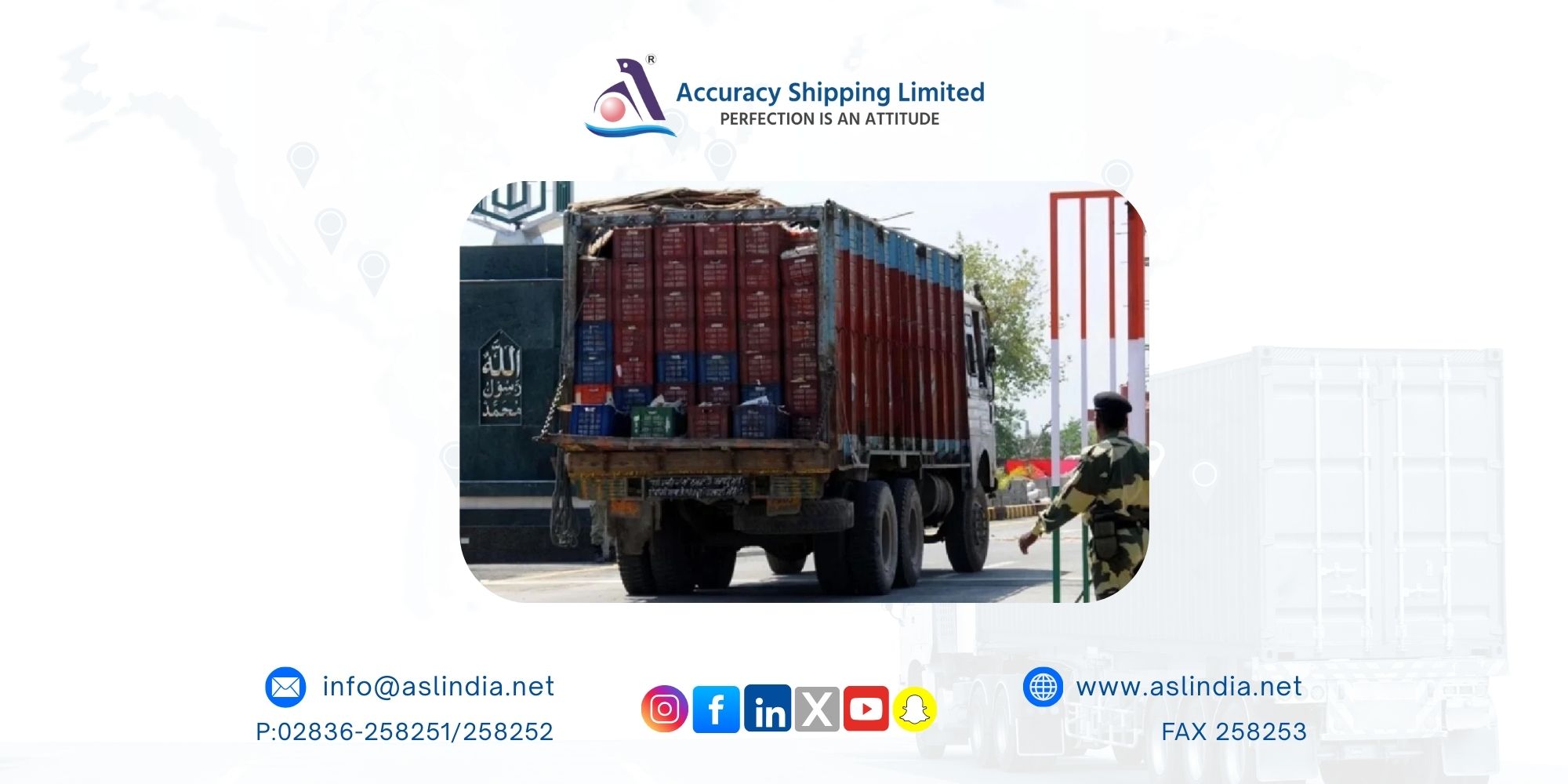
Indian goods worth over $10 bn find their way to Pakistan, sidestepping trade barriers: Report
 22 May, 2025
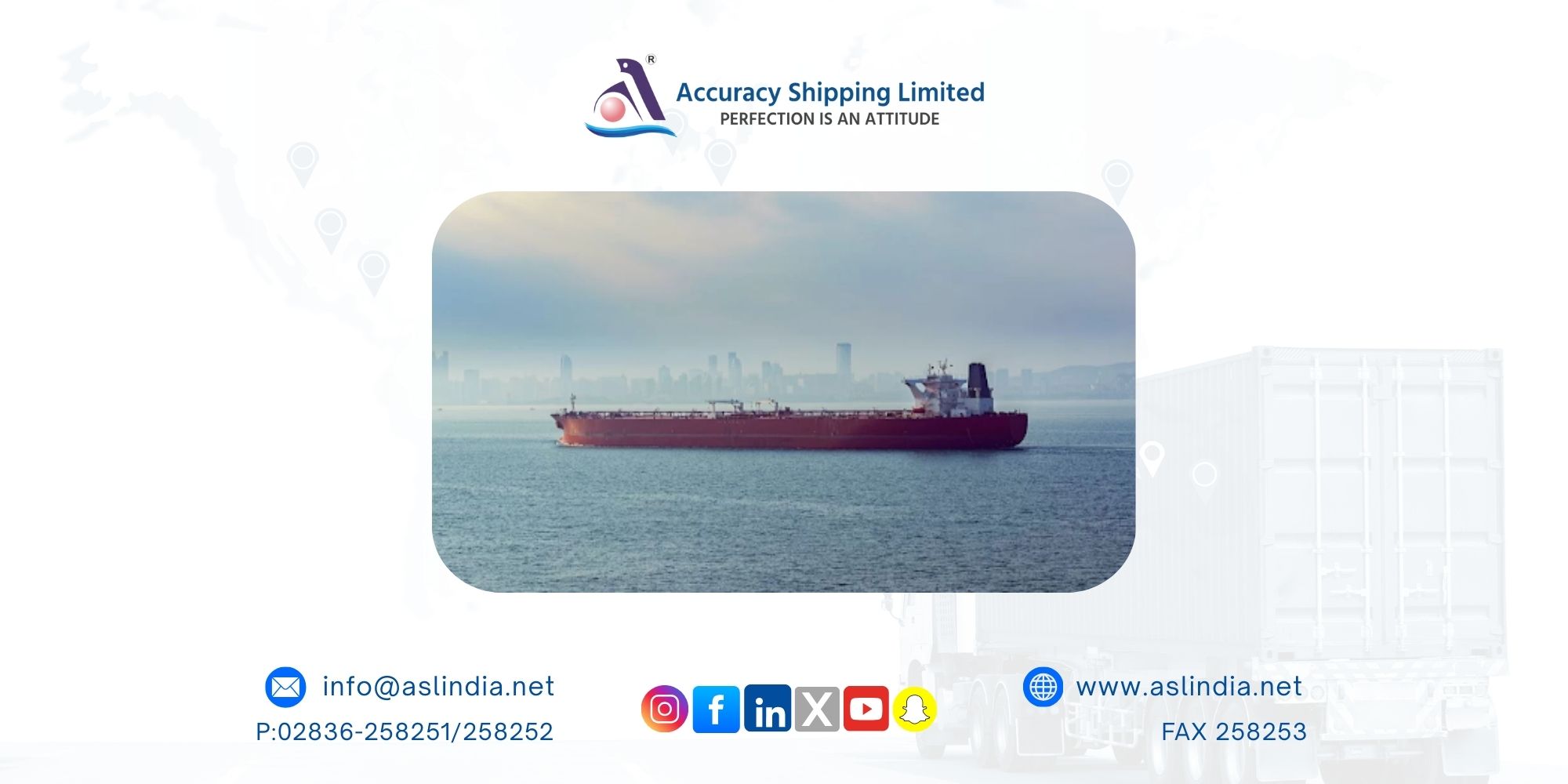
India launches a $10 billion plan for its tanker fleet to increase shipbuilding
 01 Jan, 2026
Over 40,00,000% return! That's how much Berkshire Hathaway shares have risen under Warren Buffett's 60-year leadership
 17 Jun, 2025
Healthy lifestyle can boost metabolic health even without weight loss: Study
 19 Dec, 2025

