



Nvidia unveils 'reasoning' AI technology for self-driving cars

Introduction
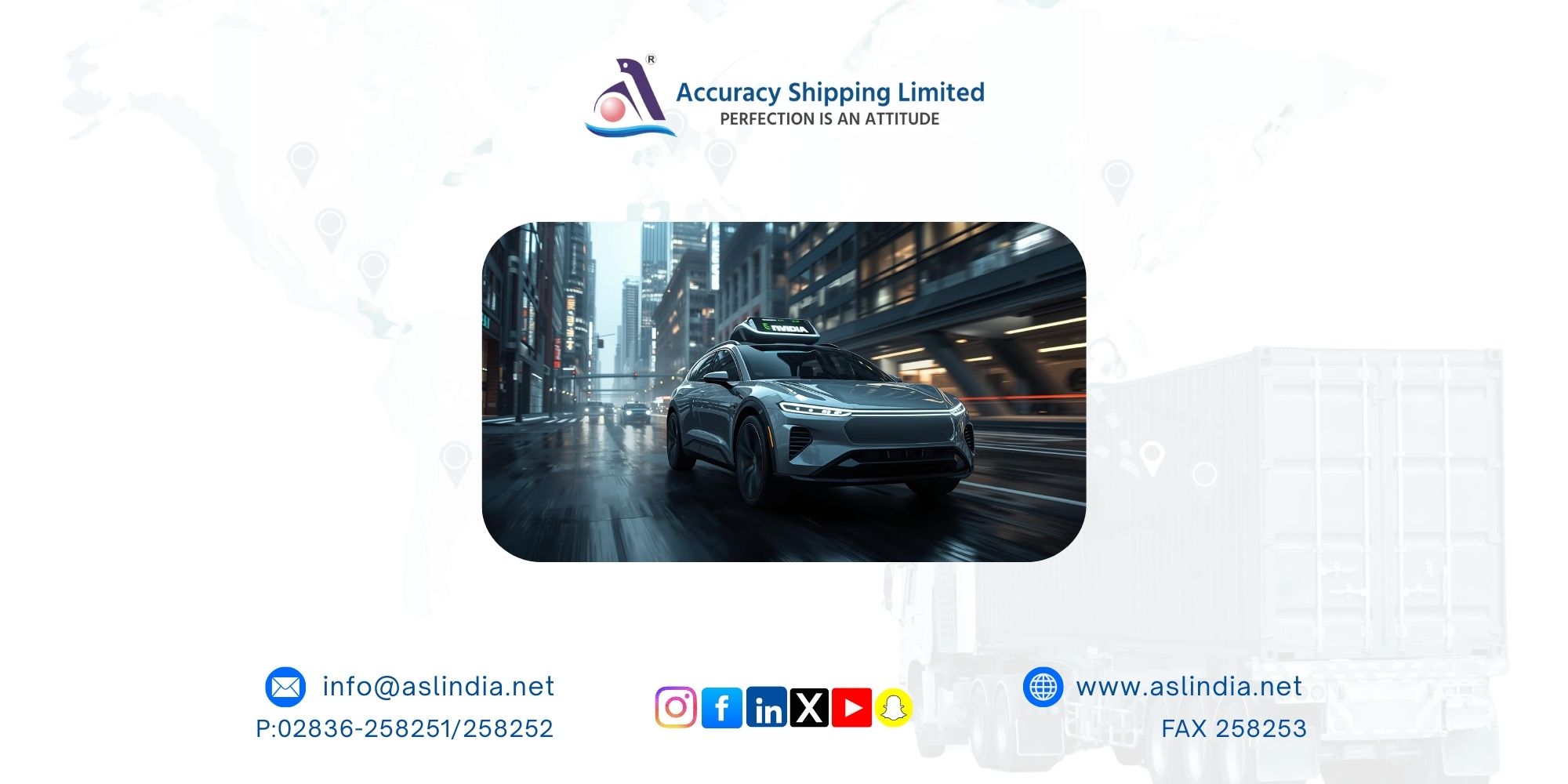
Nvidia has taken a major step toward the future of autonomous mobility by unveiling a new ‘reasoning’ AI technology designed to help self-driving cars think and act more like humans. Announced by Nvidia CEO Jensen Huang at the annual CES technology conference in Las Vegas, this breakthrough platform signals a deeper push into physical AI and intelligent transportation systems.
Alpamayo: Bringing Human-Like Reasoning to Vehicles
At the heart of the announcement is Alpamayo, a technology platform Nvidia says enables autonomous vehicles to reason through complex and rare driving scenarios. According to Jensen Huang, Alpamayo allows vehicles to drive safely in challenging environments and, importantly, explain their driving decisions in real time. This reasoning capability marks a shift from traditional perception-based autonomy to systems that can think ahead and justify actions.
Learning Directly from Human Drivers
Huang emphasized that Alpamayo has learned directly from human demonstrators, enabling more natural driving behavior. During the presentation, a video showcased an AI-powered Mercedes-Benz vehicle navigating San Francisco traffic while the passenger sat behind the steering wheel with hands off. The system not only drove smoothly but also explained what it planned to do and why, reinforcing trust and transparency in autonomous driving.
Mercedes-Benz CLA: From Concept to Production
Nvidia also revealed that it has begun producing a driverless car powered by its technology—the Mercedes-Benz CLA—in partnership with the German automaker. The vehicle is set to launch in the United States in the coming months, followed by a rollout in Europe and Asia. Huang noted that working on this project has taught Nvidia “an enormous amount” about helping partners build advanced robotic systems.
Open-Source Vision for Autonomous Innovation
In a significant move for the research community, Nvidia announced that Alpamayo is an open-source AI model. The underlying code is now available on Hugging Face, allowing autonomous vehicle researchers worldwide to access, retrain, and improve the model for free. This open approach reflects Nvidia’s broader vision of accelerating innovation across the autonomous ecosystem.
Strengthening Nvidia’s Leadership in Physical AI
Industry analysts view the announcement as reinforcing Nvidia’s leadership in integrating AI hardware and software. Paolo Pescatore of PP Foresight noted that Nvidia’s pivot toward large-scale AI systems as key differentiators keeps it well ahead of competitors. Alpamayo, he said, represents a shift from Nvidia being primarily a compute provider to becoming a platform leader for physical AI ecosystems.
Robotaxi Plans and a Fully Autonomous Future
Looking ahead, Nvidia plans to launch a robotaxi service by next year in collaboration with an unnamed partner. While details remain limited, Huang shared a bold vision: a future where every car and truck operates autonomously, reshaping transportation on a global scale.
Rubin AI Chips and Energy Efficiency
Alongside Alpamayo, Nvidia revealed that its next-generation Rubin AI chips are already in manufacturing and expected to be released later this year. These chips are designed to deliver high-performance AI computing with lower energy consumption, potentially reducing the cost of developing and deploying AI technologies.
Market Impact and Industry Confidence
Following Huang’s CES presentation, Nvidia’s shares rose slightly in after-hours trading. Despite recent concerns over whether AI demand is overhyped, Nvidia remains the world’s most valuable publicly traded company, with a market capitalization exceeding $4.5 trillion, underscoring continued investor confidence in its long-term strategy.
Conclusion
With Alpamayo, Nvidia is redefining what autonomous vehicles can achieve by introducing reasoning, transparency, and human-like decision-making into driving systems. Combined with strategic partnerships, open-source innovation, and energy-efficient hardware, this announcement positions Nvidia at the forefront of the next era of self-driving and physical AI technology.
Our Tag:
Share:

.png)
.png)
.png)
Newsletters

 17 Apr, 2025
Jaldhi Overseas moves for chemical tanker newbuilds
 28 Oct, 2025
India’s Shreyas Iyer recovering in hospital from lacerated spleen horror injury
 24 May, 2025
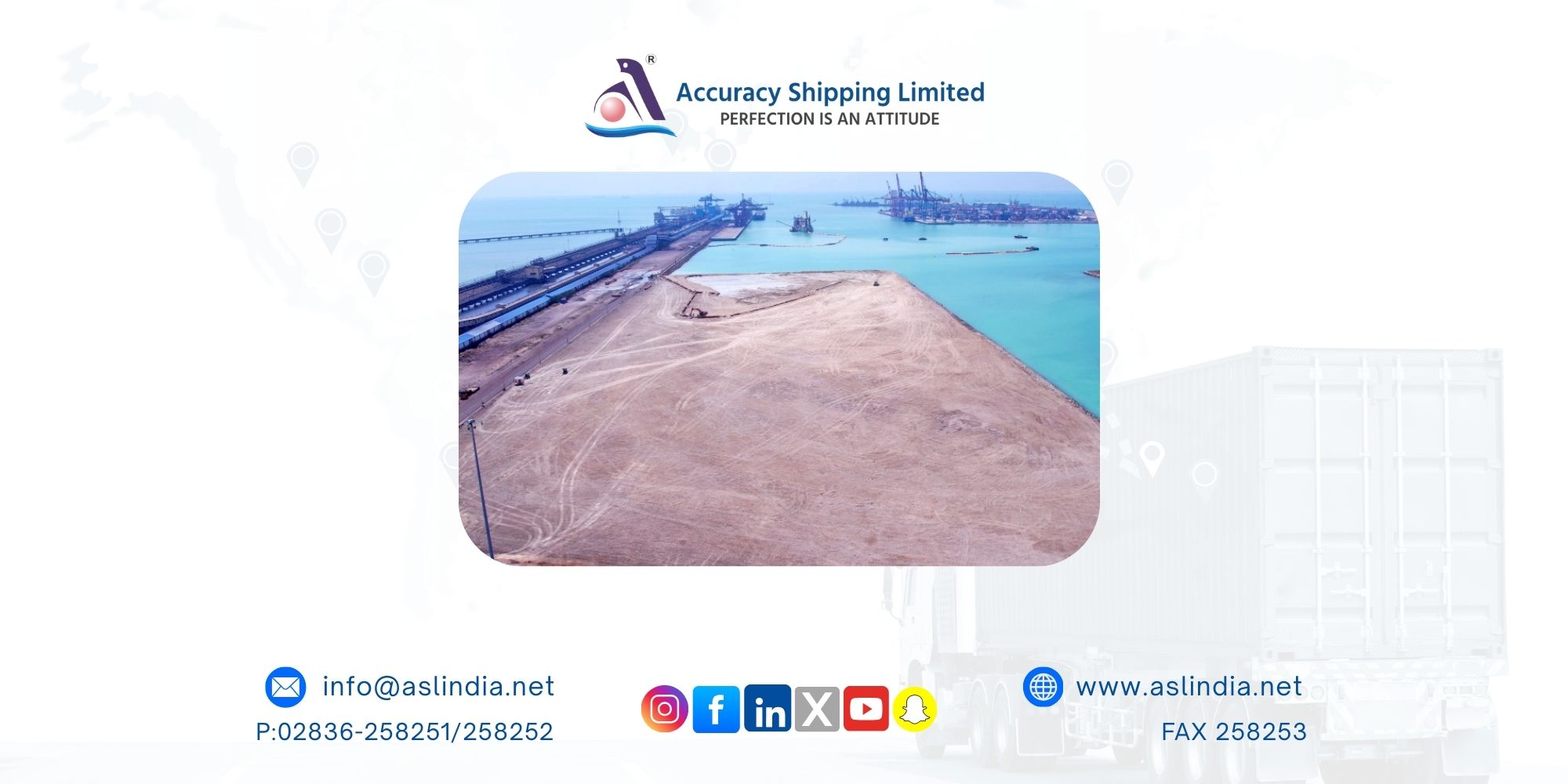
V. O. C. Port completes dredging and enhances its capacity to handle big ships
 07 Jun, 2025
India A vs England Lions, 2nd Unofficial Test Day 1 Highlights: KL Rahul Shines With Ton But England Lions Bowlers Dominate
 13 Aug, 2025

