



Malaria facts & statistics 2025

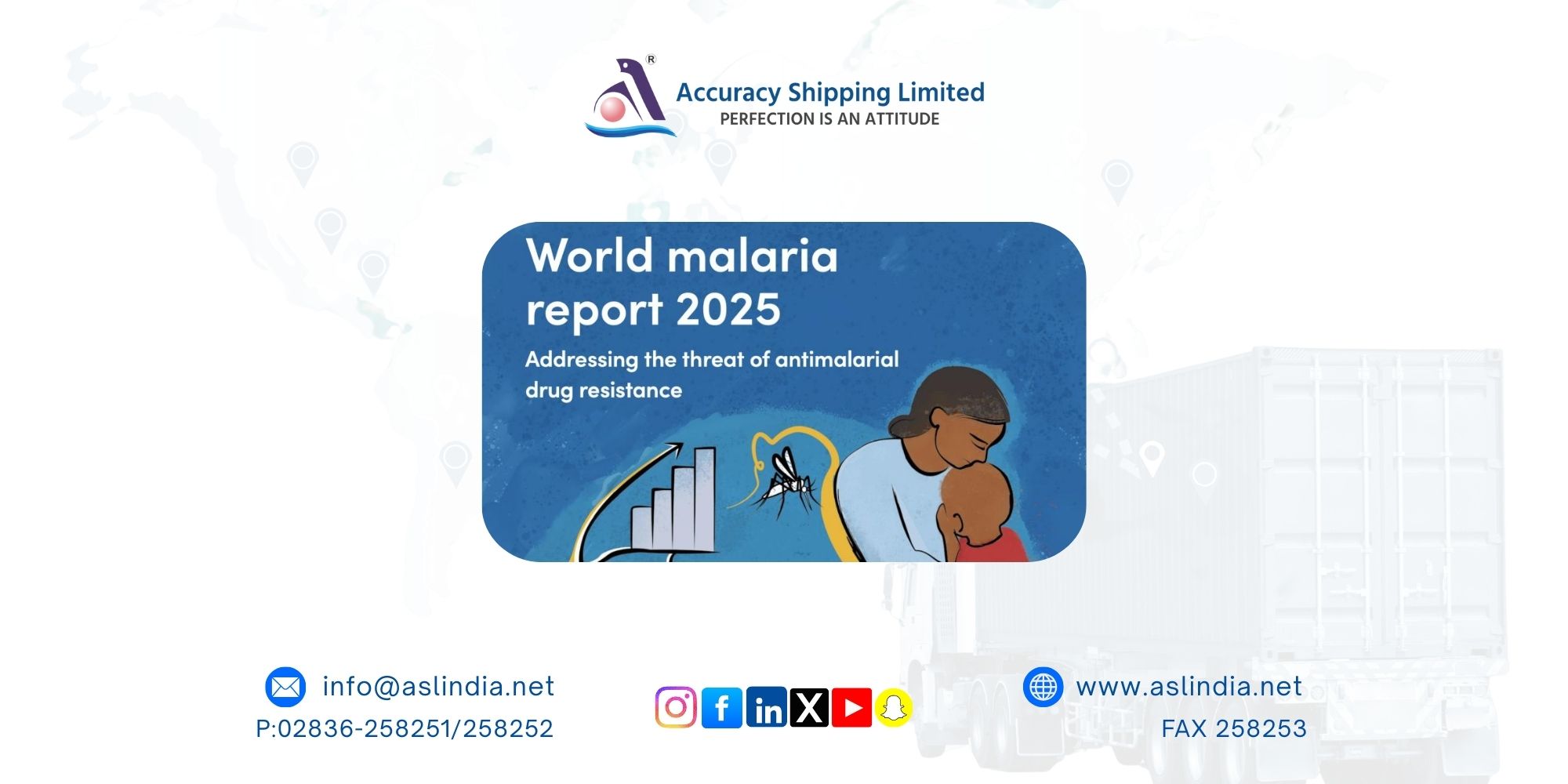
Malaria remains one of the world’s most persistent public health challenges, affecting millions of people especially women, children, and communities living in poverty. The World Health Organization’s 2025 World Malaria Report provides an in-depth assessment of global and regional malaria trends, highlighting progress, gaps, and the urgent need for investment to eliminate the disease. This year’s edition, “Addressing the threat of antimalarial drug resistance,” underscores that although progress has been made, it is not happening fast enough to reach global targets.
In 2024, malaria funding reached USD 3.9 billion still far below the Global Technical Strategy (GTS) target of USD 9.3 billion by 2025, emphasizing the need for stronger commitments toward innovation, research, and health-system strengthening. Below are the major facts, statistics, and breakthroughs featured in the 2025 report.
Global Burden: Malaria Still Hits the Poorest the Hardest
Malaria cases and deaths continued to rise in several regions, particularly in Africa, which remains the most heavily burdened.
Key data from 2024:
• 282 million new malaria cases were reported across 80 endemic countries up from 273 million cases in 2023.
• Three countries Ethiopia, Madagascar, and Yemen accounted for 58% of the global case increase.
• Ten countries contributed to 66% of all global cases: Nigeria, DRC, Uganda, Ethiopia, Mozambique, Angola, Tanzania, Côte d’Ivoire, Mali, and Burkina Faso.
• Total malaria deaths increased to 610,000 in 2024, compared to 598,000 in 2023.
Africa remains at the epicenter:
• The WHO African Region accounts for 94% of all malaria cases and 95% of global malaria deaths.
• Three countries Nigeria (31.9%), DRC (11.7%), and Niger (6.1%) made up half of all malaria deaths in the region.
• Alarmingly, 75% of malaria deaths in Africa occurred in children under 5, highlighting the need for more targeted interventions.
Despite the challenges, some regions showed promising progress. In the Greater Mekong Subregion, Cambodia, Laos, and Vietnam are now nearing malaria elimination.
Progress: Lives Saved Through Prevention and Treatment
Even with rising cases, malaria interventions have saved millions of lives globally.
Since 2000:
• 2.3 billion malaria cases have been averted.
• 14 million deaths have been prevented.
Key prevention highlights (2024–2025):
• Seasonal Malaria Chemoprevention (SMC) reached 54 million children across 20 countries in 2024.
• Perennial Malaria Chemoprevention (PMC) protected nearly 1 million infants under 24 months.
• Two malaria vaccines are now in use, with 24 countries having introduced them by October 2025.
• Use of insecticide-treated nets (ITNs) remained stable at 47%, with increased distribution of nets targeting insecticide resistance.
• Intermittent Preventive Treatment in Pregnancy (IPTp) showed slight improvement at 45% coverage still far from the 80% target.
Drug Resistance & New Antimalarial Innovations
The 2025 report highlights growing concerns over antimalarial drug resistance, especially against artemisinin-based treatments (ACTs). To stay ahead of resistance, innovative solutions are being developed.
Major breakthrough:
In November 2025, ganaplacide-lumefantrine (GanLum) a novel treatment developed by Novartis and MMV achieved successful Phase 3 results. Expected to be submitted for regulatory approval in 2026, this is the first non-artemisinin-based malaria drug in 25 years, with the potential to kill drug-resistant parasites and block transmission.
Improved ACT use in children:
Case management for children under 5 has also improved due to better diagnosis and treatment. In 2025, Coartem Baby became the first malaria medicine authorized specifically for young infants, further strengthening pediatric malaria care.
Seasonal Malaria Chemoprevention: Reaching Millions
SMC continues to be one of the most effective ways of protecting children during peak transmission seasons.
• In 2024, SMC reached 54 million children across 19 African countries.
• Nigeria, the country with the highest malaria burden, accounted for more than half of all children receiving SMC.
• The number of children completing a fifth cycle of SMC is steadily increasing.
Improving Equity for Pregnant Women
Pregnant women remain among the most vulnerable groups. In 2025, 45% of eligible women and girls received at least three doses of preventive medicine still far below the global target of 80%.
MMV’s MiMBa (Malaria in Mothers and Babies) initiative continues to push for equitable access to antimalarials, improved pregnancy registries, and better clinical research (including the SAFIRE project) to ensure safe dosing for women in early pregnancy.
Strengthening Local Manufacturing: A Step Toward Self-Reliance
To ensure long-term access to essential medicines, MMV is supporting pharmaceutical manufacturers in Africa to meet WHO quality standards.
A major milestone came in 2024, when Swiss Pharma Nigeria Limited (Swipha) became the first Nigerian manufacturer to achieve WHO prequalification for sulfadoxine-pyrimethamine, used in both SMC and IPTp. Strengthening African manufacturing is crucial for sustainable malaria control.
Moving Forward: The Urgent Need for Investment
The 2025 World Malaria Report makes it clear: progress is happening, but not fast enough. Declining financial support, growing drug resistance, and persistent inequities threaten to reverse two decades of gains. To stay on track toward global malaria targets, the world must invest more strongly in innovation, health systems, local manufacturing, and equitable access for vulnerable populations.
With improved prevention tools, new treatments like GanLum on the horizon, expanded vaccine rollout, and strengthened regional capacity, malaria elimination remains achievable but only with sustained global commitment.
Our Tag:
Share:

.png)
.png)
.png)
Newsletters

 28 Aug, 2025
Scorpio Daily Horoscope Today (Oct 23- Nov21), August 28, 2025: Lifestyle will remain simple!
 21 Jan, 2026
Amazon launches Alexa powered Echo Show 11 and Echo Show 8 smart displays in India
 11 Jul, 2025
Tesla shares tumble as Elon Musk floats new US political party
 01 Oct, 2025
Prashant Kishor practicing same style of politics as Kejriwal: Chirag
 14 Nov, 2025

