



Maersk Revises Export Dry Port Surcharge for Inland Container Depots in India

Introduction
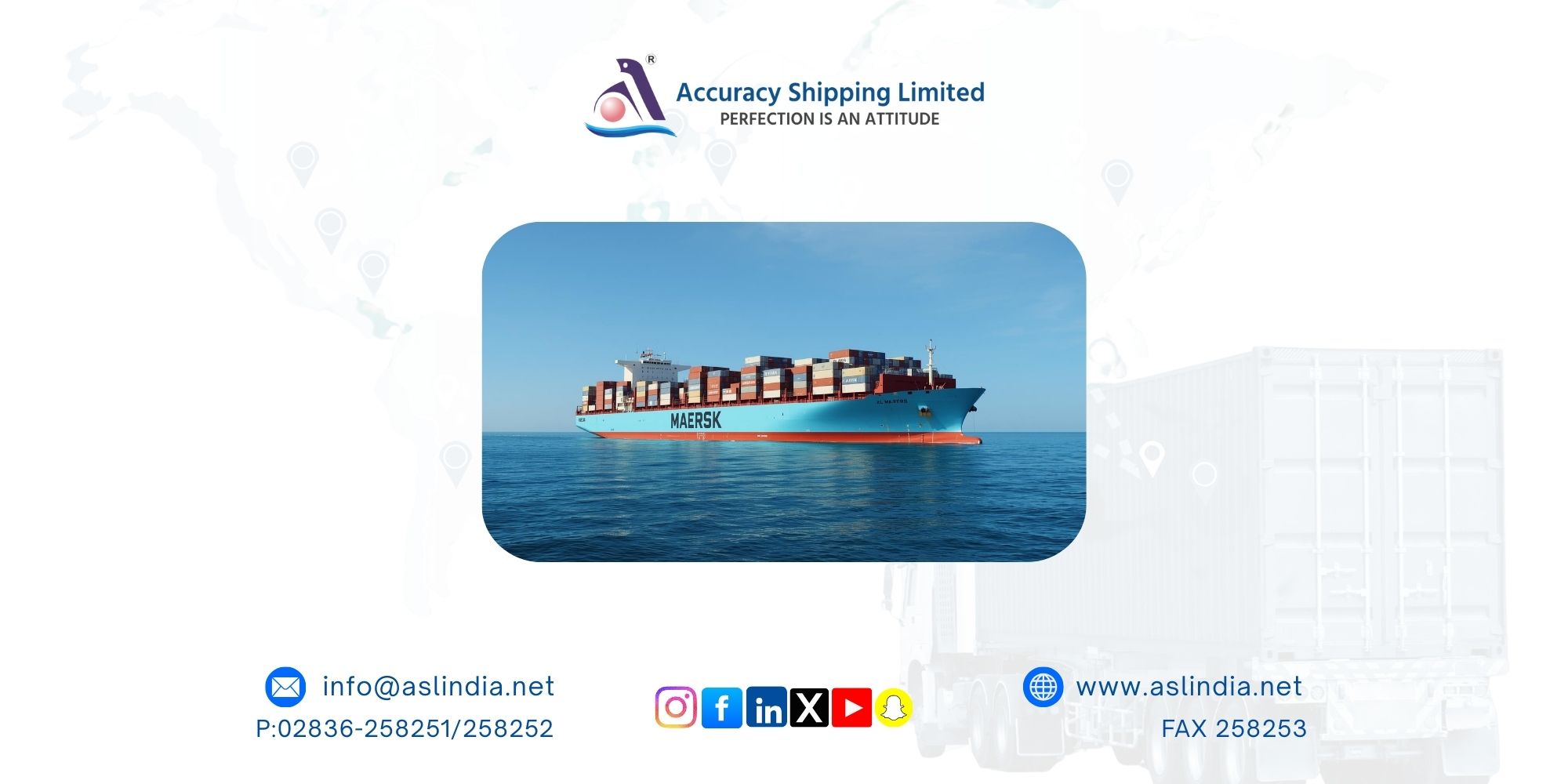
Global shipping major A.P. Moller – Maersk has implemented a notable revision to its Dry Port Surcharge – Export (DPS) for Inland Container Depots (ICDs) across India. Though introduced quietly, the change is significant and is expected to impact export supply chains, logistics cost structures, and strategic planning for exporters and freight forwarders nationwide.
Scope of the revised surcharge
The updated DPS applies to export cargo moving from key ICDs to major Indian gateway ports, including Jawaharlal Nehru Port, Mundra Port, and Pipavav Port. From these ports, shipments are routed to global destinations across Europe, the Middle East, Africa, and other international markets.
Implementation timeline
Maersk has announced a staggered implementation schedule for the revised DPS.
For non-regulated countries, the new rates will come into effect from 25 January 2026.
For regulated markets, the revised surcharge will apply from 11 February 2026.
This phased rollout allows stakeholders some time to adjust contracts, freight calculations, and export pricing strategies.
Key tariff increases at ICD locations
The revised tariff framework highlights sharp increases, particularly for 20-foot dry containers, across several inland locations:
Sahnewal, Ludhiana, Chawapail, Kila Raipur, Dehlon:
₹6,000 increased to ₹9,000
Dadri, Bari, Gautam Buddh Nagar, Panipat, Babarpur:
₹5,000 increased to ₹8,000
Jaipur:
₹12,500 increased to ₹15,500
Jodhpur:
₹14,600 increased to ₹17,600
Ahmedgarh:
₹2,000 increased to ₹6,000
In some corridors, the increase exceeds 50 percent, underlining the scale of the revision.
Why Maersk is revising the DPS
The surcharge update comes at a time of rising inland transportation, handling, and operational costs across India. At the same time, Maersk’s move reflects a broader strategic focus on maintaining service reliability, protecting transit efficiency, and ensuring stable inland-to-port connectivity as global trade volumes and routing patterns continue to evolve.
Impact on exporters and logistics planning
For exporters and freight forwarders, the revised DPS means higher inland logistics costs that will need to be factored into pricing, margin planning, and contract negotiations. It may also influence decisions around ICD selection, port routing, and long-term supply chain design. Companies with high-volume inland exports are likely to reassess their logistics strategies to offset the cost impact.
Conclusion
Maersk’s revision of the Export Dry Port Surcharge marks an important shift in the economics of inland container movement in India. While driven by cost pressures, the uniform and substantial increases indicate a recalibration of inland logistics pricing. Exporters, logistics providers, and trade stakeholders will need to closely monitor how these changes affect competitiveness, especially in cost-sensitive global markets.
Our Tag:
Share:

.png)
.png)
.png)
Newsletters
 06 Oct, 2025
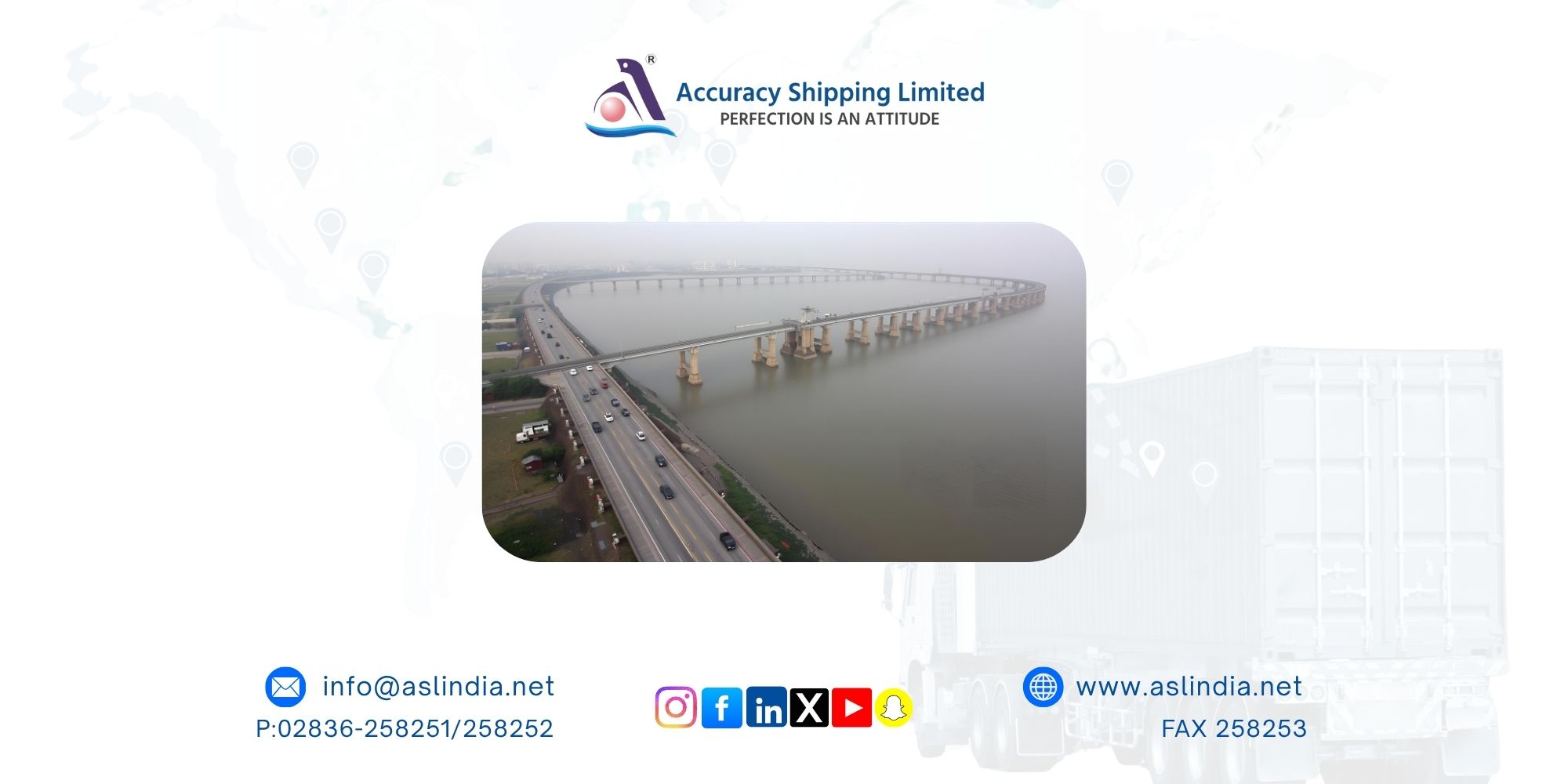
Bihar to build three new ‘marine drives’ along the Ganga at ₹17,000 crore
 02 May, 2025
Rohit Sharma's Incredible Gesture For Vaibhav Suryavanshi After RR Star's 2-Ball Duck
 26 Mar, 2026
Hormuz opens for India: Iran says 5 'friendly nations' won't face blockade
 19 May, 2025
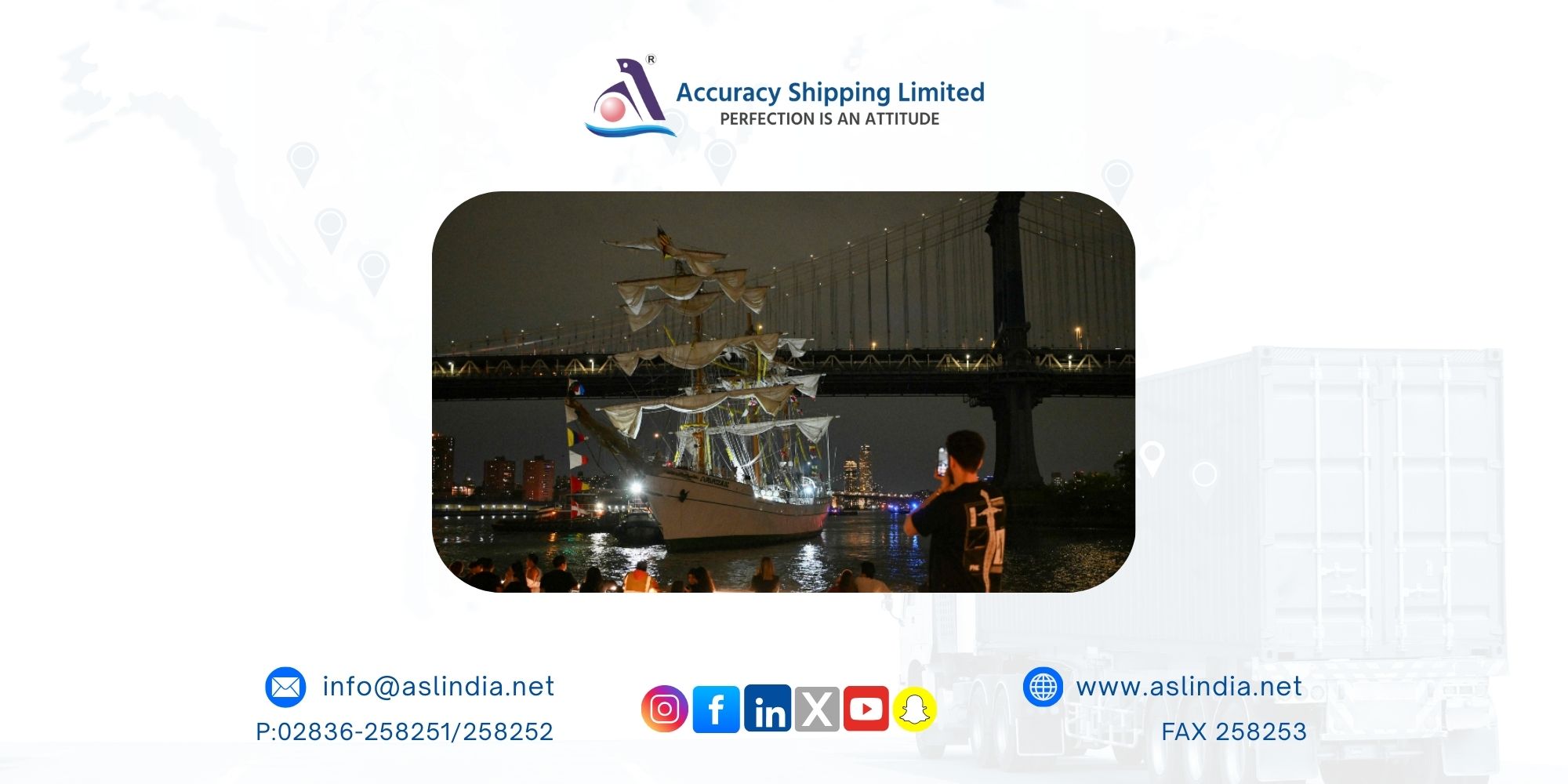
Mexican Navy tall ship crashes into Brooklyn bridge, killing 2
 23 Apr, 2025

