



Jaishankar Hails Direct Talks with Iran as Key to Ensuring Strait of Hormuz Shipping

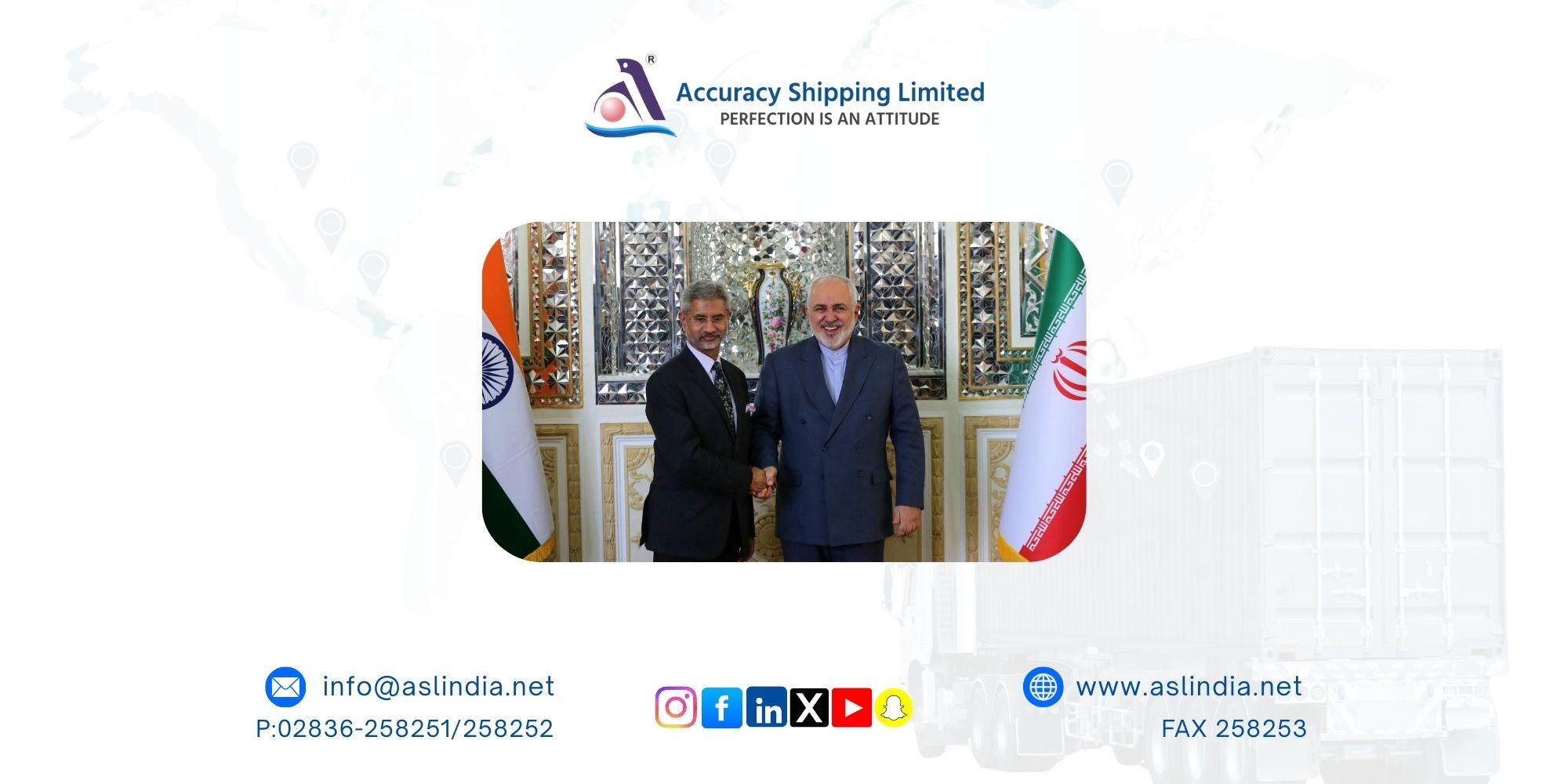
India’s External Affairs Minister Subrahmanyam Jaishankar has emphasized that direct diplomatic engagement with Iran is the most effective way to ensure safe shipping through the strategically vital Strait of Hormuz. His remarks come at a time when tensions in the Middle East are escalating, raising concerns about global energy supply routes and maritime security.
In an interview with the Financial Times published on Sunday, Jaishankar highlighted how dialogue has already produced tangible results, particularly for India’s energy shipments passing through the region.
Diplomacy Delivers Safe Passage for Indian Ships
According to Jaishankar, India’s diplomatic engagement with Iran has already helped ensure the safe passage of Indian-flagged vessels through the Strait of Hormuz.
Two liquefied petroleum gas (LPG) carriers Shivalik and Nanda Devi successfully crossed the Strait on Saturday, transporting approximately 92,712 metric tons of LPG. Their safe transit demonstrated that diplomatic communication can help reduce risks even during heightened geopolitical tensions.
“Talking has yielded some results,” Jaishankar said, stressing that open communication with Tehran helped facilitate the movement of these vessels.
He further explained India’s approach:
“Certainly, from India’s perspective, it is better that we reason and coordinate to get a solution than we don’t.”
This statement reflects India’s preference for pragmatic diplomacy rather than confrontation, particularly in areas critical to global trade and energy flows.
Strait of Hormuz: A Global Energy Lifeline
The Strait of Hormuz is widely considered one of the most critical maritime chokepoints in the world. Located between the Persian Gulf and the Gulf of Oman, it serves as a primary route for transporting oil and gas from the Middle East to global markets.
Roughly 20% of the world’s oil supply passes through this narrow waterway each day. Any disruption in the region can immediately affect energy prices, shipping routes, and global economic stability.
For India, which relies heavily on imported crude oil and LPG from the Gulf region, ensuring safe passage through the Strait is of strategic importance.
Calls for Military Escorts Amid Rising Tensions
Jaishankar’s diplomatic approach contrasts with a more militarized proposal from Donald Trump, who recently called for countries to deploy naval forces to safeguard shipping routes in the Strait.
Following Iranian responses to U.S. and Israeli strikes on Iranian targets, Trump urged major global powers including China, France, Japan, South Korea, and the United Kingdom to send warships to escort commercial vessels passing through the waterway.
In a post on Truth Social, Trump expressed hope that a coalition of nations would help keep the Strait open for global trade.
While such proposals focus on military protection, India appears to be prioritizing diplomatic coordination with Tehran.
No Special Deal with Iran
Jaishankar clarified that India does not have any blanket security arrangement with Iran for its vessels. He also confirmed that Iran had not received any reciprocal concessions from India in exchange for allowing safe passage of Indian ships.
Instead, the progress achieved so far has come through ongoing diplomatic dialogue and coordination.
When asked whether European countries could adopt a similar strategy, Jaishankar said that each country’s relationship with Iran depends on its own diplomatic context.
However, he added that India is willing to share its approach with European capitals, many of which have already been holding discussions with Tehran.
Dialogue Still Ongoing
Despite the successful passage of the Indian LPG carriers, Jaishankar stressed that diplomatic engagement must continue.
“While this is a welcome development, there is continuing conversation because there is continued work on that,” he told the Financial Times.
His comments underline that maintaining stability in the Strait of Hormuz requires constant communication, especially as geopolitical tensions in the Middle East remain volatile.
India’s Strategic Balancing Act
India’s approach reflects a broader foreign policy strategy of balancing relationships with multiple global powers while protecting its economic interests.
By maintaining open communication with Iran while also engaging with Western partners, India aims to ensure secure energy supplies, stable shipping routes, and regional stability.
As tensions continue in the Middle East, Jaishankar’s remarks highlight the growing importance of diplomacy in safeguarding one of the world’s most crucial maritime trade corridors.
Our Tag:
Share:

.png)
.png)
.png)
Newsletters
 28 Jul, 2025
Liver diseases often go undetected; doctors call for early screening and awareness
 09 Oct, 2025
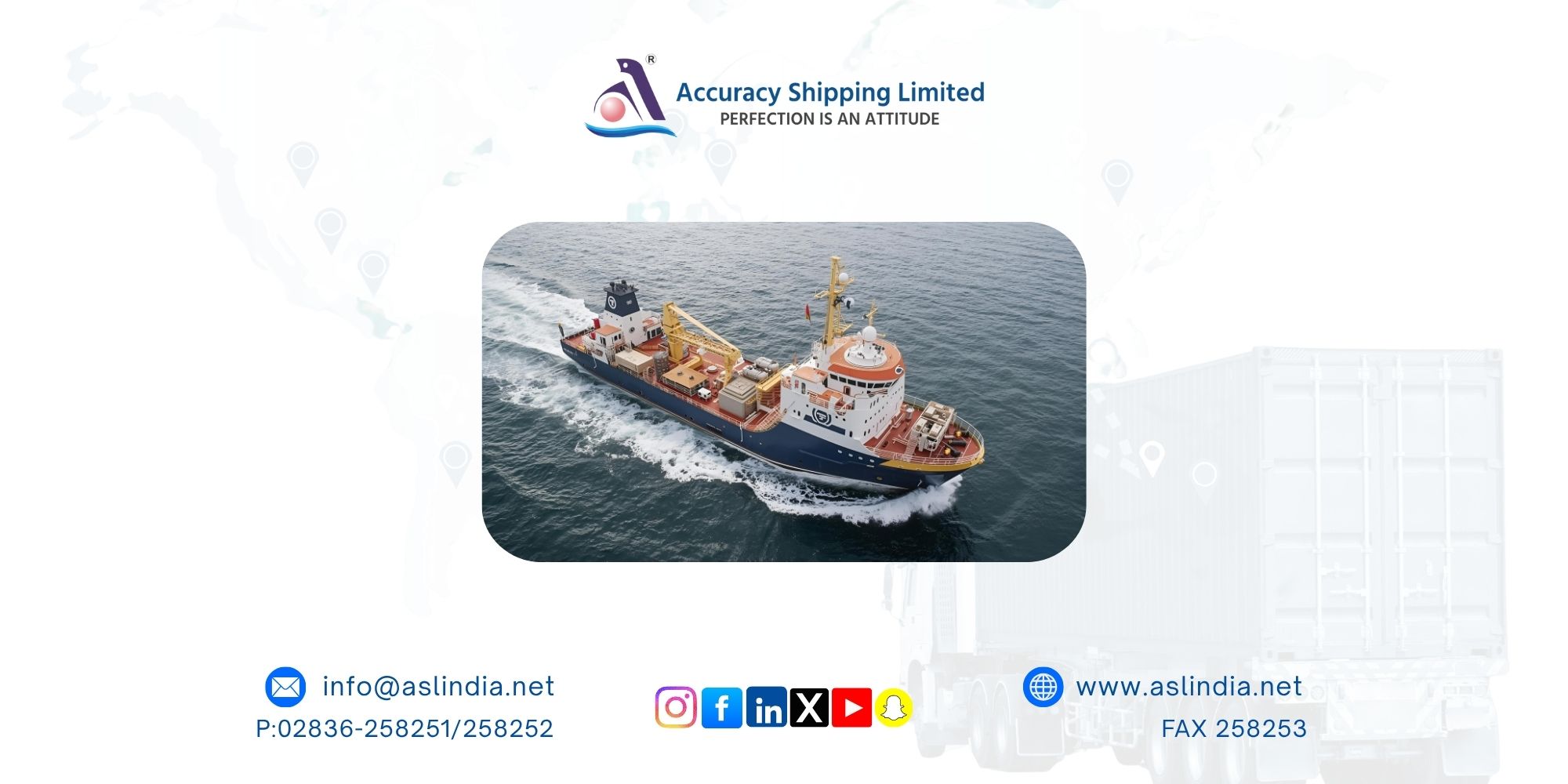
ABS Marine wins ₹27 crore offshore vessel charter from L&T
 08 Jul, 2025
Professors turn founders amid the new deep tech gold rush; VCs take note
 06 Aug, 2025
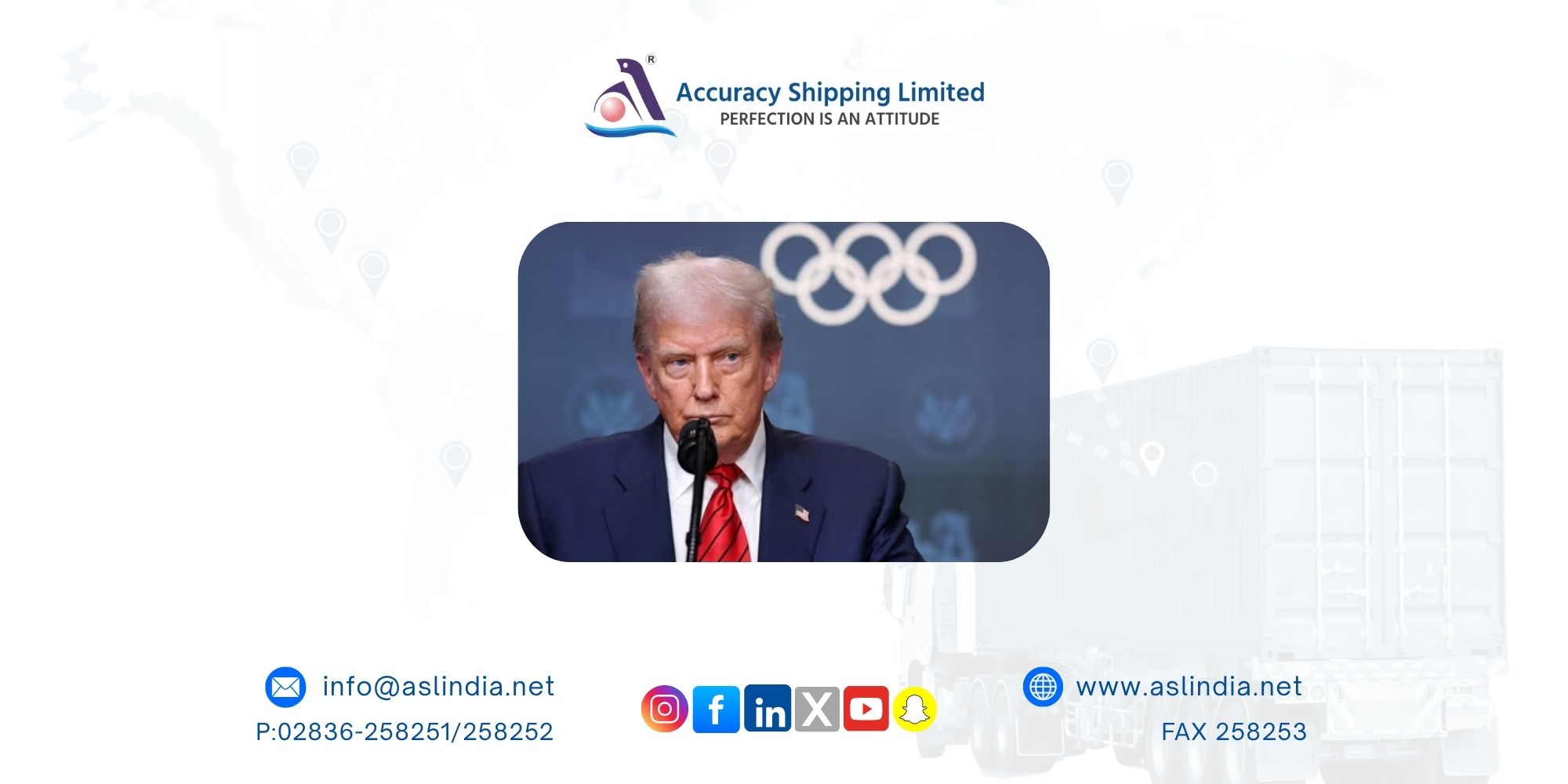
Trump reacts to India citing US trade with Russia amid tariff threat: 'Don't know...'
 06 Oct, 2025

