



IXI’s autofocusing lenses are almost ready to replace multifocal glasses

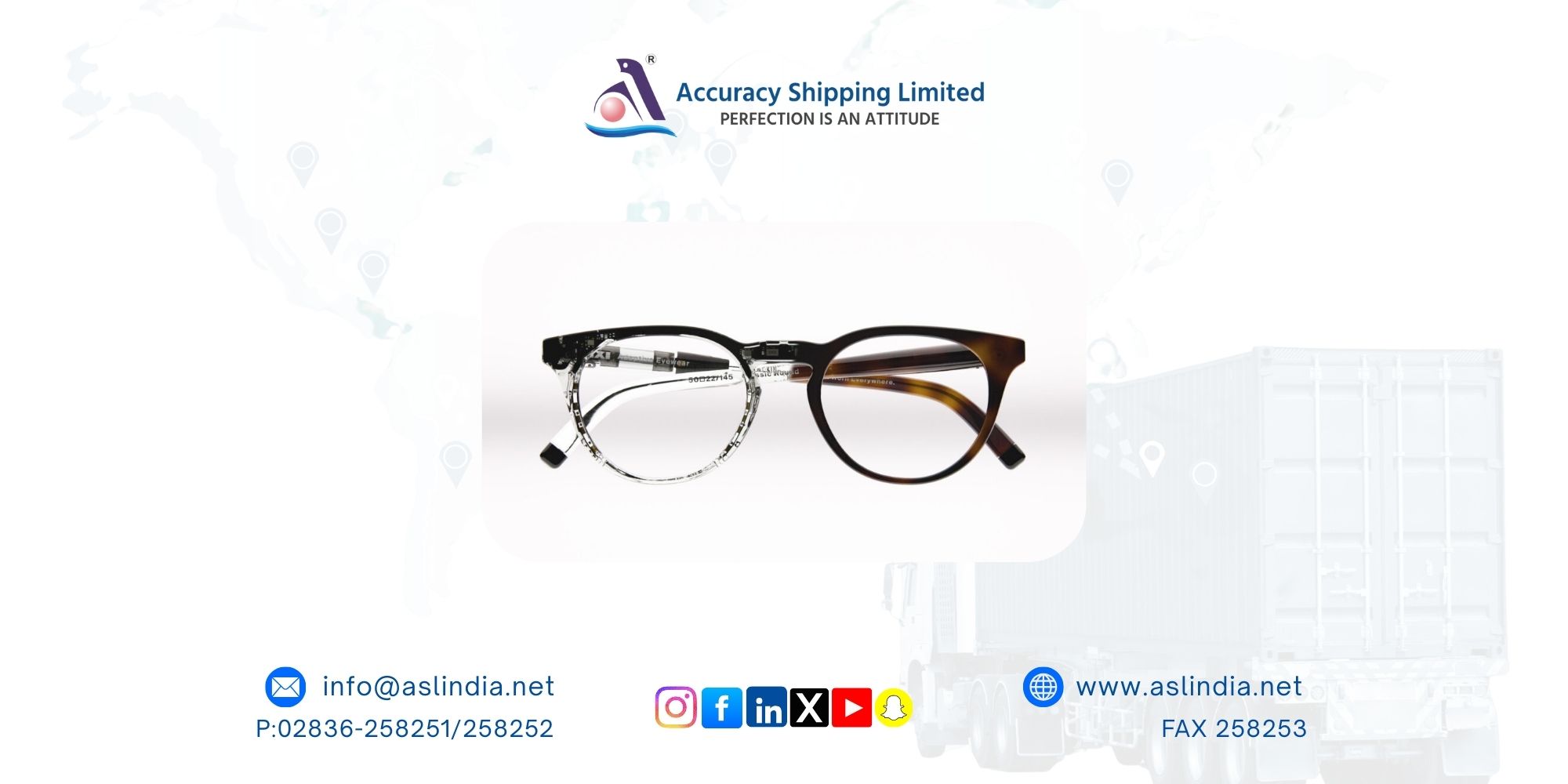
For centuries, eyeglasses have remained largely unchanged. While waves of smartglasses and face-worn wearables continue to debut at global tech events, traditional eyewear has seen very little true innovation. The last major leap arguably came in the 1950s with progressive multifocal lenses, which blended near and distance vision into a single lens. Now, a new breakthrough from IXI suggests that the era of static lenses may finally be coming to an end.
At CES 2026 in Las Vegas, IXI showcased working prototypes of its autofocusing lenses, paired with a lightweight 22-gram frame. Together, they point toward a future where multifocal and bifocal glasses could become obsolete.
Redefining Vision for Age-Related Farsightedness
IXI’s glasses are designed primarily for age-related farsightedness, a condition that affects most people over the age of 45. Instead of forcing wearers to adapt their gaze through different parts of a lens, IXI’s solution adapts to the wearer.
The glasses combine cameraless eye tracking with liquid crystal lenses that automatically activate when they detect a change in focus. Rather than relying on two fixed prescriptions like bifocals or progressive lenses, IXI’s technology seamlessly switches between prescriptions in real time. The result is clear vision at varying distances without the visible lines or awkward head movements associated with traditional multifocals.
Importantly, the frames themselves look like normal glasses. They are lightweight, discreet, and avoid the bulky appearance that often defines smart eyewear.
How the Autofocus Technology Works
According to CEO and co-founder Niko Eiden, IXI’s system has two core components. First is an advanced eye-tracking mechanism that uses LEDs and photodiodes positioned around the edges of the lenses. These LEDs emit invisible infrared light, which reflects off the eyes. By measuring these reflections, the system detects subtle eye movements and how both eyes converge when focusing on close objects.
Unlike camera-based eye tracking, which requires processing millions of pixels dozens of times per second, IXI’s infrared approach relies on only a handful of analog channels. This dramatically reduces power consumption to just 4 milliwatts while still tracking eye movement, blinking, and gaze direction with high precision.
Liquid Crystal Lenses That Switch Instantly
The second breakthrough lies in the lenses themselves. IXI’s prototype lenses are built from ultra-thin layers of liquid crystal combined with a transparent indium tin oxide conductive layer. When activated, these layers switch almost instantly into a prescription lens, creating a near-magical effect as the focus changes in real time.
Because the lenses are so thin, they can be integrated into existing prescriptions and even provide cylindrical correction for astigmatism. This makes the technology far more versatile than traditional multifocal solutions.
Lightweight Design and All-Day Power
Most of the electronics, including sensors, memory, eye tracking, and driving electronics, are housed in the front frame and the arms near the hinges. The prototype uses compact batteries similar in size to those found in AirPods, keeping weight to a minimum. A charging port is integrated into the left arm hinge, and while the glasses cannot be worn during charging, a single charge is expected to last an entire day.
In real-world testing, the prototype frames felt comparable in weight to traditional chunky spectacles. Visually, they would not look out of place among premium eyewear options.
Designed for Real Faces and Real Comfort
IXI has also refined the nose pieces and arms to better accommodate different face shapes. During testing, the team noticed notable differences when expanding trials from Finland to the UK, prompting further ergonomic adjustments. The result is a more inclusive and comfortable design suitable for a wide range of users.
Beyond Vision Correction: Health and Smart Insights
Even if the glasses run out of power, they still function as standard prescription glasses, simply without the near-vision boost. Beyond vision correction, IXI’s sensors open the door to additional health insights. The system can detect dry eyes, estimate attentiveness, track posture and neck movement, and analyze blink rate changes associated with focus, fatigue, anxiety, or daydreaming. All of this data can be visualized through a companion app.
Looking ahead, the technology could potentially adapt prescriptions dynamically. Future versions may offer stronger correction as eyes become fatigued throughout the day, moving beyond static vision correction entirely.
Path to Market and Launch Timeline
IXI is steadily putting the final pieces in place. The company still needs to secure medical certifications and scale production, but it has already partnered with Swiss lens manufacturer Optiswiss for manufacturing. The final product is expected to be positioned as a high-end luxury eyewear option, sold through established opticians.
With CES 2026 winding down and innovation dominating the show floor, IXI’s autofocusing glasses stand out as one of the most practical and transformative technologies on display. If all goes according to plan, the first consumer-ready pair could launch as early as next year, potentially redefining how millions of people see the world.
Our Tag:
Share:

.png)
.png)
.png)
Newsletters

 01 Jul, 2025
IITian and ‘highly influential’ OpenAI researcher quits AI firm to join Meta: ‘Thrilled’
 05 Dec, 2025
DP World launches freight forwarding services in Sweden
 24 Jun, 2025
Political slugfest erupts after FIR against Jagan
 12 Aug, 2025
AMTOI day 2025 celebrates maritime excellence with Indian Navy theme
 23 Dec, 2025

