



Iran's new Supreme Leader Mojtaba Khamenei lost a leg, is in coma

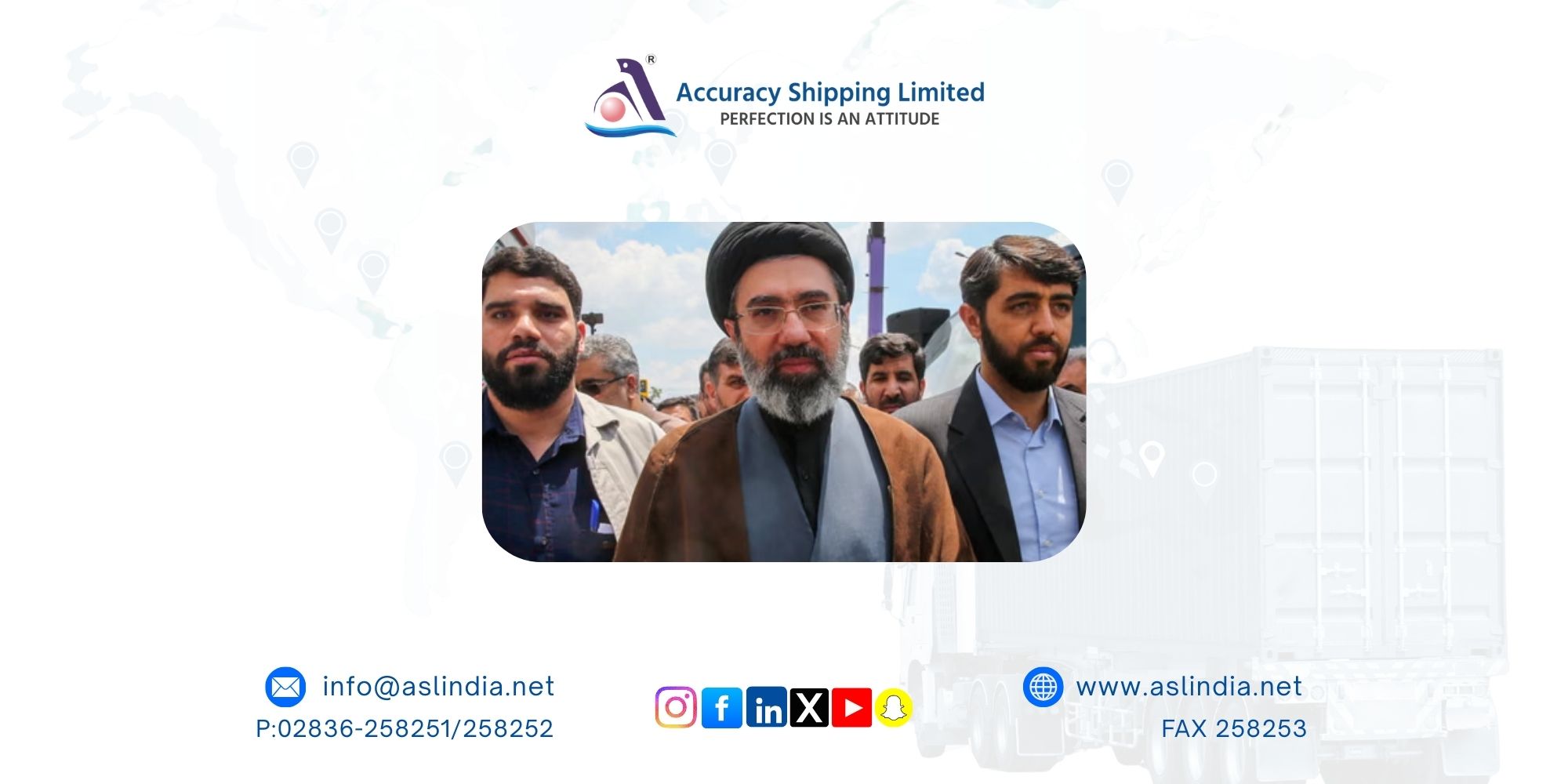
Reports circulating in international media suggest that Iran’s newly appointed Supreme Leader, Mojtaba Khamenei, has suffered critical injuries and is currently in a coma following a deadly airstrike that reportedly killed his father, Ali Khamenei.
According to a report published by the British tabloid The Sun, the 56-year-old cleric was severely wounded in an attack that allegedly took place on February 28. The strike reportedly killed his father, who had long served as Iran’s Supreme Leader, and left Mojtaba Khamenei critically injured. The report claims that the younger Khamenei lost at least one leg and sustained major internal injuries.
If confirmed, the development could raise serious questions about who is currently directing Iran’s military strategy and political leadership during a period of regional tension.
Critical Injuries and Emergency Treatment in Tehran
Sources cited in the report claim that Mojtaba Khamenei suffered catastrophic injuries during the attack. According to those accounts, the cleric lost one or possibly two legs and sustained severe damage to his liver or stomach, leaving him in a critical condition.
He is reportedly being treated under tight security at Sina University Hospital in Tehran, where doctors are continuing intensive medical treatment.
A source quoted in the report described the situation as extremely serious.
“One or two of his legs have been cut off. His liver or stomach has also ruptured. He is apparently in a coma as well.”
The hospital unit treating him has reportedly been sealed off, with heavy security deployed to prevent leaks or unauthorized access.
Medical care is said to be overseen by veteran trauma surgeon Mohammad Reza Zafarghandi, who currently serves as Iran’s health minister and has experience treating war-related injuries.
Leadership Uncertainty and War Strategy Questions
Despite reports of Mojtaba Khamenei’s critical condition, Iranian state television has attempted to project an image of stable leadership.
State media reportedly broadcast what it described as the new leader’s first official statement after assuming power. However, the message was read by a news anchor rather than delivered by Khamenei himself, raising speculation about his ability to lead.
The statement reportedly warned that Iran would avenge the deaths of its citizens and continue military actions targeting regional shipping routes. It also reiterated threats related to blocking the Strait of Hormuz, a vital global energy corridor.
Such threats have intensified concerns in global markets because the strait handles a significant portion of the world’s oil shipments.
Military Operations May Continue Without Active Leadership
Some analysts believe that Iran’s political and military system is structured in a way that allows operations to continue even if the Supreme Leader is incapacitated.
An Iranian analyst quoted in the report suggested that the country’s governing structure can function independently of a single leader.
“His father left behind a system which has kicked into gear which can be run by a ghost. That is why Iran’s missiles and drones are still flying and it’s why the war will go on.”
This perspective highlights the institutional nature of Iran’s military command and the influence of multiple power centers within the country’s leadership.
Claims Remain Unverified
It is important to note that the claims about Mojtaba Khamenei’s condition have not been independently verified. Internet restrictions inside Iran and the heavy security surrounding the hospital treatment have made it difficult for international media to confirm the details.
The report relies largely on anonymous sources, and there has been no official confirmation from Iranian authorities regarding the alleged injuries or the leader’s reported coma.
As the situation develops, further confirmation from reliable sources will be crucial to determine the true state of Iran’s leadership and its potential impact on regional geopolitics and global energy markets.
Our Tag:
Share:

.png)
.png)
.png)
Newsletters
 10 Jun, 2025
Singapore flagged cargo ship catches fire off Kerala coast
 13 Aug, 2025
Gill and Dunkley named ICC Players of the Month for July 2025
 08 Oct, 2025
Gautam Gambhir directly accused of forcing Rohit, Kohli and Ashwin's retirement: 'Made sure they are not in Indian team'
 16 Apr, 2025
Electronics industry seeks zero duty on US smartphone, wearables, telecom imports to dodge Trump’s reciprocal tariff
 23 May, 2025

