



Iran Allegedly Proposes Tanker Release for Safe Hormuz Passage for Indian Ships

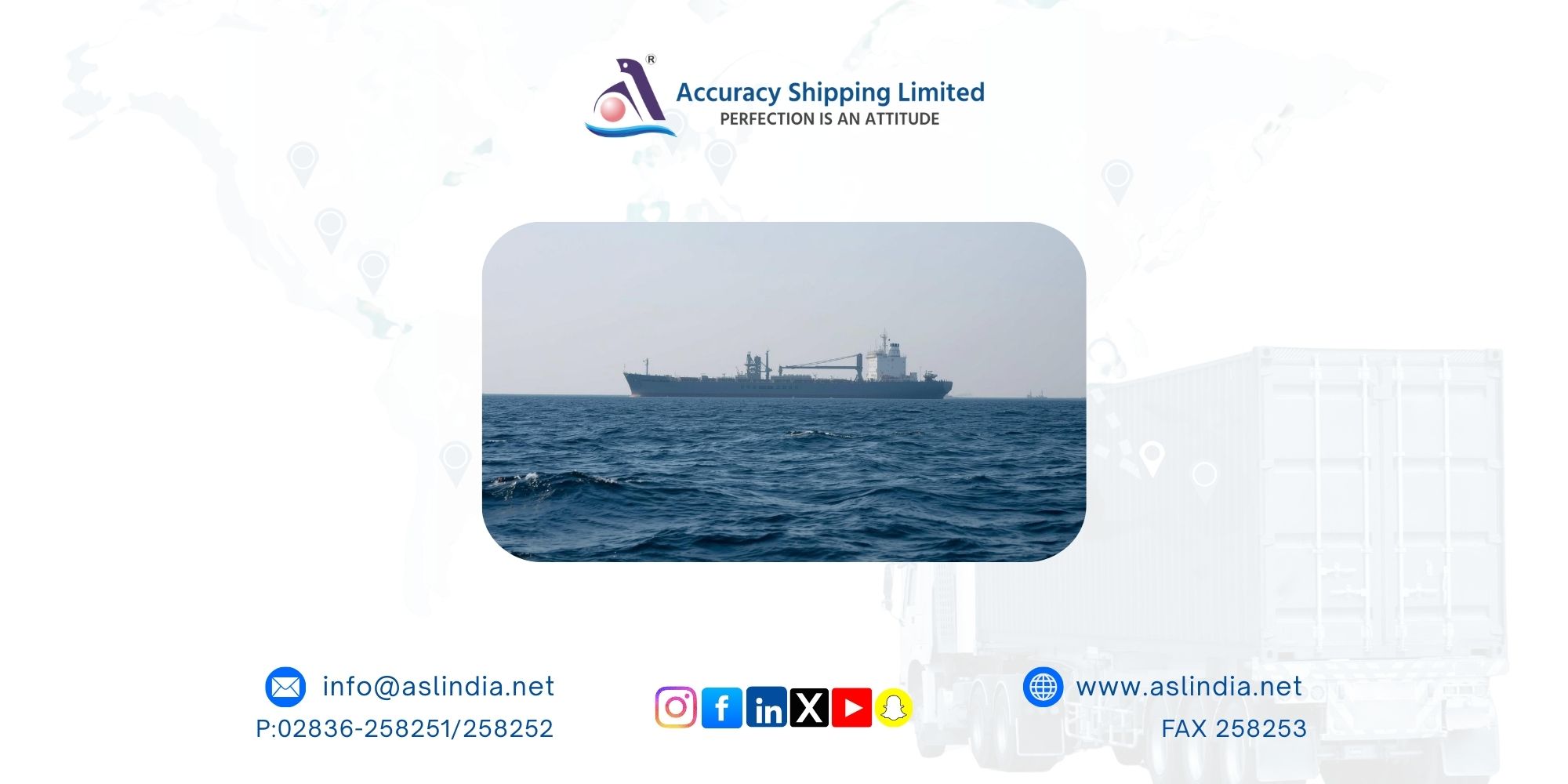
The geopolitics of maritime trade in the Gulf region has once again come into sharp focus, as recent reports suggest that Iran has proposed a conditional arrangement involving detained tankers and safe passage for Indian vessels through the strategically vital Strait of Hormuz. The development highlights the complex intersection of security, diplomacy, and global shipping operations in one of the world’s most sensitive maritime corridors.
Background: Detained Tankers and Allegations
According to government and diplomatic sources, Iran has reportedly asked India to release three tankers Asphalt Star, Al Jafzia, and Stellar Ruby that were detained earlier this year.
These vessels were seized by Indian authorities in February on allegations of:
Identity concealment
Illegal ship-to-ship fuel transfers
Such practices are closely monitored due to their links with sanctions evasion and unauthorized maritime operations. The detentions reflect India’s strict stance on compliance with international maritime laws and regulatory frameworks.
Iran’s Proposal: Strategic and Humanitarian Dimensions
Iran’s reported request goes beyond the release of vessels. It also includes:
Supply of specific medicines
Provision of medical equipment
This combination of strategic and humanitarian demands indicates that negotiations are not limited to maritime concerns alone but extend into broader diplomatic engagement. It reflects how shipping, healthcare support, and geopolitical negotiations are increasingly interconnected in times of regional tension.
The Strait of Hormuz: A Critical Maritime Chokepoint
The Strait of Hormuz remains one of the most crucial waterways in global trade:
Handles a significant share of the world’s oil shipments
Serves as a key route for cargo between Asia, Europe, and the Middle East
Acts as a strategic pressure point during geopolitical conflicts
Amid renewed hostilities involving Iran, the region has witnessed:
Increased maritime security risks
Rising insurance costs for shipping companies
Disruptions in commercial vessel movements
Iran has also indicated that normal navigation conditions cannot be guaranteed, further intensifying concerns among global shipping stakeholders.
India’s Position: No Quid Pro Quo
India has firmly rejected claims of any formal arrangement linking tanker release to safe passage. Officials have described such reports as “baseless”, emphasizing that:
Diplomatic engagements with Iran are ongoing
The focus remains on ensuring safe maritime navigation
Legal and sovereign principles will not be compromised
New Delhi’s stance reflects a careful balancing act maintaining strong trade routes while upholding international maritime laws and national interests.
Implications for Global Shipping and Trade
The situation underscores several key challenges for the maritime industry:
1. Increased Operational Risk
Shipping companies must navigate heightened uncertainty in the Gulf region, impacting route planning and fleet deployment.
2. Rising Insurance and Compliance Costs
War-risk premiums and regulatory scrutiny are likely to increase, affecting operational expenses.
3. Supply Chain Vulnerability
Any disruption in the Strait of Hormuz can have ripple effects on global energy markets and cargo flows.
4. Diplomatic Sensitivity
Shipping is no longer just a commercial activity it is deeply tied to international relations and geopolitical strategy.
Conclusion
The reported proposal by Iran and India’s response highlight the complex geopolitical environment shaping maritime trade in the Persian Gulf. As tensions persist, ensuring safe and compliant shipping operations through critical chokepoints like the Strait of Hormuz remains a top priority for governments and industry stakeholders alike.
For India, the challenge lies in protecting its maritime interests without compromising legal integrity or diplomatic balance a task that will continue to define its engagement in the region in the coming months.
Our Tag:
Share:

.png)
.png)
.png)
Newsletters
 22 Jul, 2025
Congress says ‘far deeper reasons’ behind Vice-President Jagdeep Dhankhar’s resignation
 05 Nov, 2025
Delhivery handles 107 million shipments in October, setting a festive season record
 11 Sep, 2025
'Stress wasn’t sustainable’: 33 year old ex-Deloitte consultant explains why she left tech job for jewellery business
 23 May, 2025
India Test Squad For England Tour 2025, LIVE Updates: Ajit Agarkar Set To Ignore 64-Test Veteran
 28 Oct, 2025

