



India targets $2 billion in organic food exports by 2030

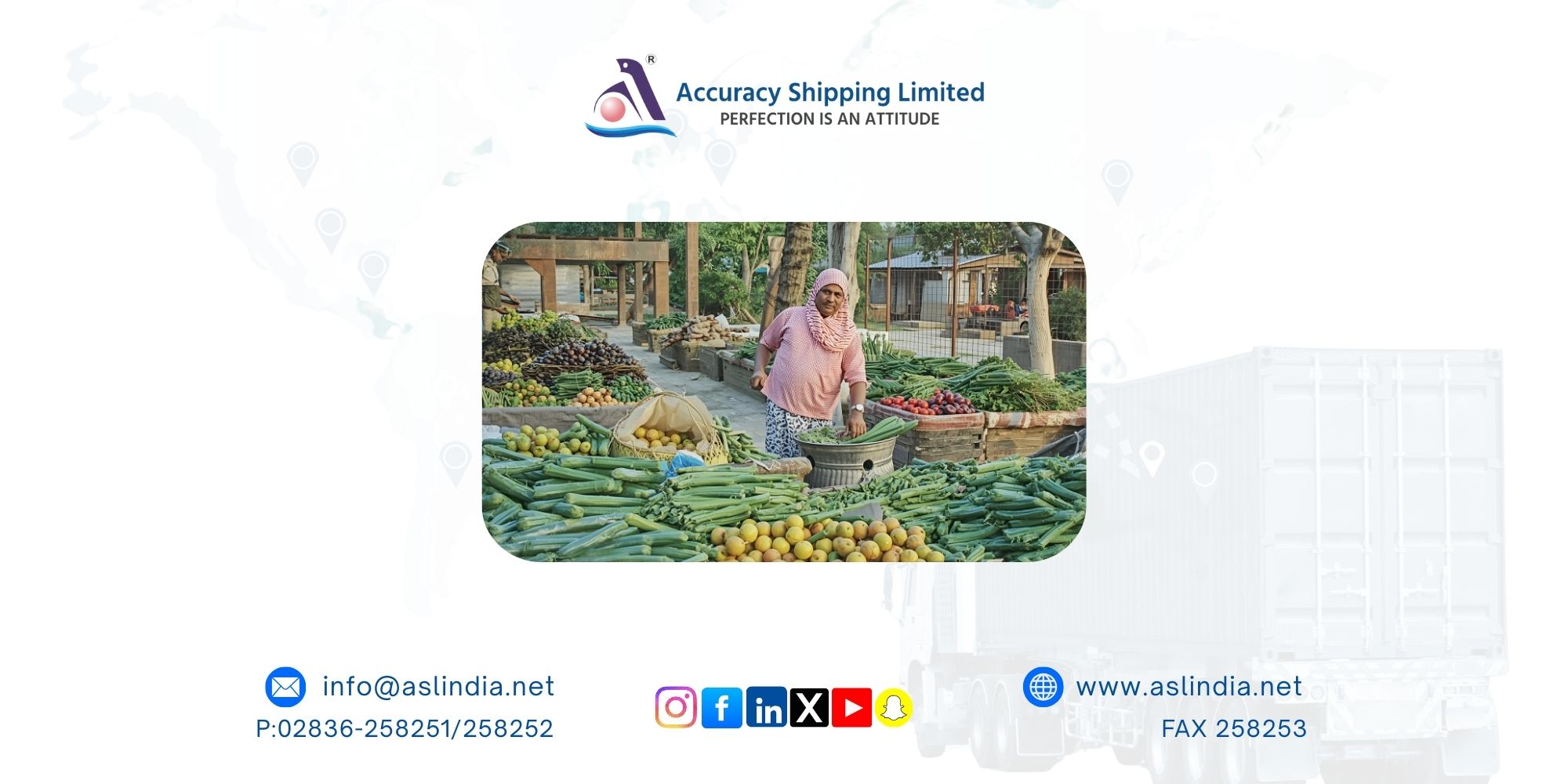
India is setting ambitious goals to strengthen its position in the global organic market, with the Agricultural & Processed Food Products Export Development Authority (APEDA) announcing that the country aims to achieve USD 2 billion in organic food exports by 2030. The announcement was made on Monday during the first Northeast India Organic Week in Shillong, where policymakers, Farmer Producer Organisations (FPOs), exporters and international buyers gathered to chart the future of India’s organic ecosystem.
Organic farming in India has expanded rapidly over the past decade. Organic production has jumped from 13.35 lakh tonnes in 2015-16 to 46.99 lakh tonnes in 2024-25, recording a strong CAGR of 15 per cent. The export sector has mirrored this growth, rising from USD 213 million in 2012-13 to USD 665 million in 2024-25, showing a steady increase in global demand for Indian organic produce.
APEDA highlighted that the Shillong event is focused on strengthening certification systems, improving traceability, expanding market access and building capacity key areas for unlocking the northeast’s vast organic potential. The authority is also hosting a dedicated exhibition showcasing Lakadong turmeric, organic ginger, pineapple, specialty teas and exotic orchids. A Buyer-Seller Meet with 27 buyers from 14 countries aims to facilitate direct trade opportunities for regional producers.
The global organic market is booming, with retail sales reaching USD 147 billion in 2023. This rise is driven by rapid urbanisation, increasing health awareness and a growing preference for sustainable food systems worldwide. India, with 4 million hectares under organic cultivation including 2.25 million hectares of certified land stands well-positioned to meet this demand.
The expanding organic ecosystem is also expected to benefit MSMEs involved in processing, packaging, value addition and export-linked supply chains. Increased international interest, coupled with APEDA’s focus on certification and market access, is likely to create new avenues for small enterprises and FPO-led micro units across the northeast and other emerging organic clusters.
With strong production growth, rising exports and expanding global demand, India’s USD 2 billion organic export target by 2030 appears not just achievable but a major opportunity for rural economies, sustainable farming and the country’s export competitiveness in the years ahead.
Our Tag:
Share:

.png)
.png)
.png)
Newsletters

 03 May, 2025
After inauguration of Vizhinjam port, Kerala govt now seeks to speed up industrialisation
 02 Jan, 2026
Congress, Dhirendra Shastri back Shah Rukh Khan, BJP cries ‘traitor’ over KKR selecting Bangladeshi player
 11 Aug, 2025
Forget 10,000 Steps! Japanese ‘interval walking’ claims to make you fitter in just 30 minutes – Here’s how it works
 17 Mar, 2026
Gandhidham Chamber and KTFA Applauds Officials of Deendayal Port Authority for Achieving 150 MMT Cargo Milestone
 02 Jan, 2026

