



India should shift focus from new FTAs to export delivery: GTRI


Introduction
India’s export strategy is at a critical juncture. While the country has actively pursued free trade agreements (FTAs) over the past decade, a new report by the Global Trade Research Initiative (GTRI) suggests that the emphasis must now move from signing new deals to ensuring effective export delivery from existing agreements. With global trade conditions expected to remain challenging in 2026, execution rather than expansion of agreements will define India’s trade performance.
India’s Export Growth Outlook Remains Subdued
According to GTRI, India’s total exports stood at approximately USD 825 billion in FY25 and are projected to rise only modestly to around USD 850 billion in FY26. This limited growth reflects weak global demand, increasing protectionism and the emergence of new trade barriers. Merchandise exports are expected to remain largely stagnant, while services exports likely to cross USD 400 billion will be the main driver supporting overall trade growth.
From Signing FTAs to Delivering Results
India has already concluded more than 18 FTAs, with the possibility of more discussions emerging in 2026. However, GTRI emphasized that the real challenge lies in translating these agreements into tangible export gains. Instead of pursuing additional FTAs, India must focus on maximizing benefits from existing ones, particularly in sectors such as electronics, engineering and textiles, where export potential remains underutilized.
A Tough Global Trade Environment Ahead
The report warned that India is entering 2026 during one of the most difficult phases for global trade in recent years. Slowing demand in major economies, rising protectionist policies and climate-linked trade restrictions are converging at a time when India is attempting to scale up exports. In this environment, the challenge is less about rapid expansion and more about defending existing market share.
United States: Tariffs and Trade Pressures
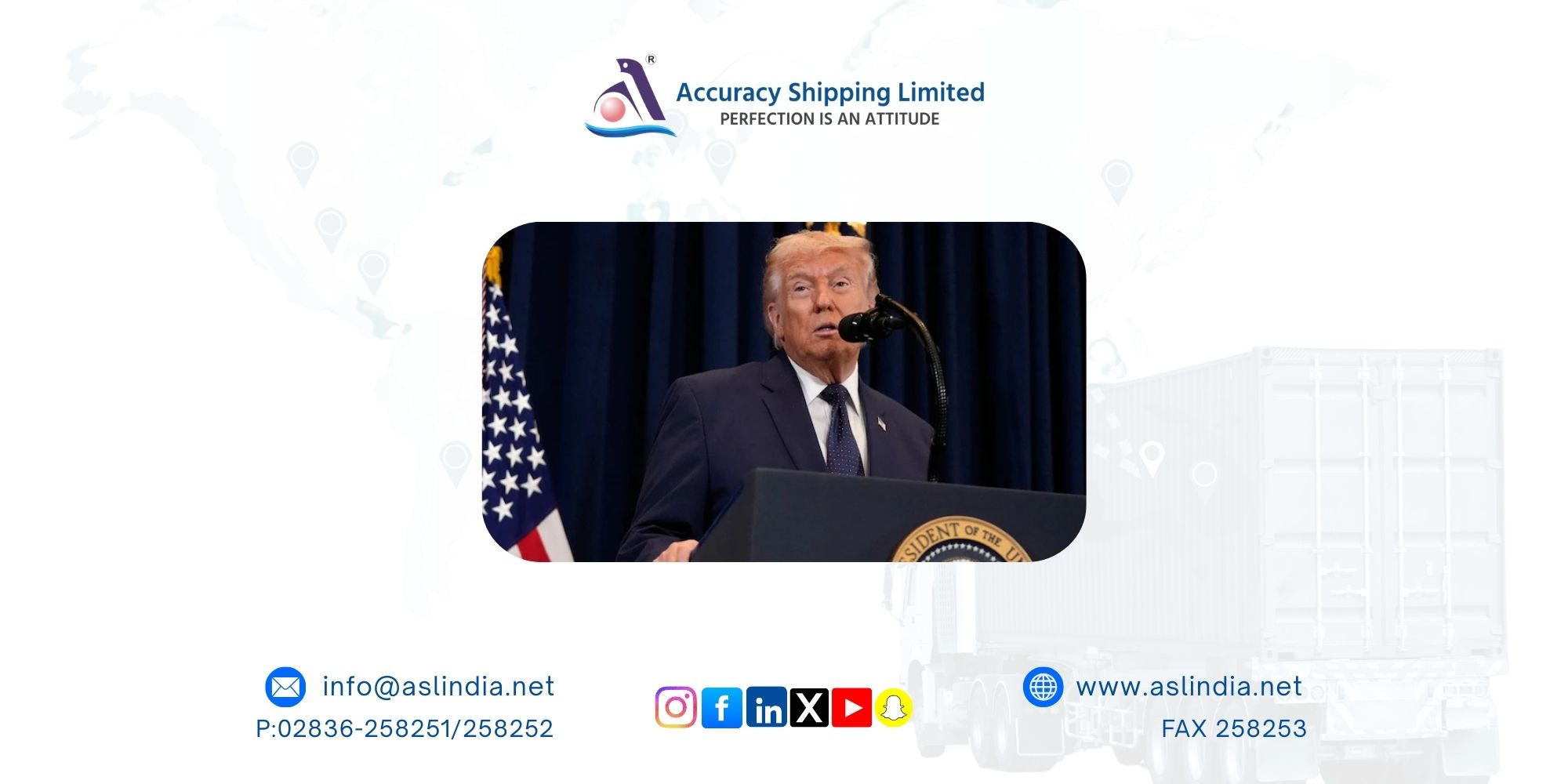
The United States continues to be a major pressure point for Indian exports. Under President Donald Trump, the US has increasingly relied on unilateral tariffs, often bypassing World Trade Organization norms. Between May and November 2025, India’s exports to the US reportedly fell by around 21 per cent under a 50 per cent tariff regime. GTRI cautioned that unless the additional 25 per cent penalty tariff linked to India’s purchases of Russian oil is withdrawn, or a trade agreement is reached, exports to India’s largest market could decline further.
Europe and the Impact of Carbon Regulations
Europe presents a different but equally significant challenge. The European Union’s Carbon Border Adjustment Mechanism (CBAM), set to roll out from January 1, 2026, will impose carbon-linked costs on imports. Even before its financial implementation, compliance and reporting requirements have contributed to a nearly 24 per cent decline in India’s steel exports to the EU. From 2026, EU importers are expected to factor CBAM-related costs into pricing, with actual payments through certificate surrender beginning in 2027.
Signs of Resilience and Market Diversification
Despite these headwinds, GTRI noted some resilience in India’s export performance. While shipments to the US declined, exports to other global markets grew by about 5.5 per cent. This indicates gradual diversification of export destinations and highlights opportunities for India to strengthen its presence in non-traditional markets.
Domestic Reforms as the Key to Export Success
GTRI concluded that India has limited control over global geopolitical and policy developments, making domestic reforms the most critical lever for improving export performance. Enhancing product quality, moving up the value chain, and reducing production and logistics costs will be essential. As the report aptly noted, in 2026, India’s trade performance will be shaped less by external opportunities and more by the effectiveness of domestic execution.
Our Tag:
Share:

.png)
.png)
.png)
Newsletters

 27 Jun, 2025
Vizhinjam International Seaport emerging as a game-change: CEO Sreekumar Nair
 11 Mar, 2026
Trump announces historic $300 billion oil refinery in Texas, thanks Reliance
 09 Jan, 2026
Shrill reactions: India’s cricketing ties with its subcontinental neighbours
 22 Sep, 2025
Politics over Durga Puja picks up in West Bengal
 29 Jan, 2026

