



India set to roll out first hydrogen train with trial run in Haryana

Introduction
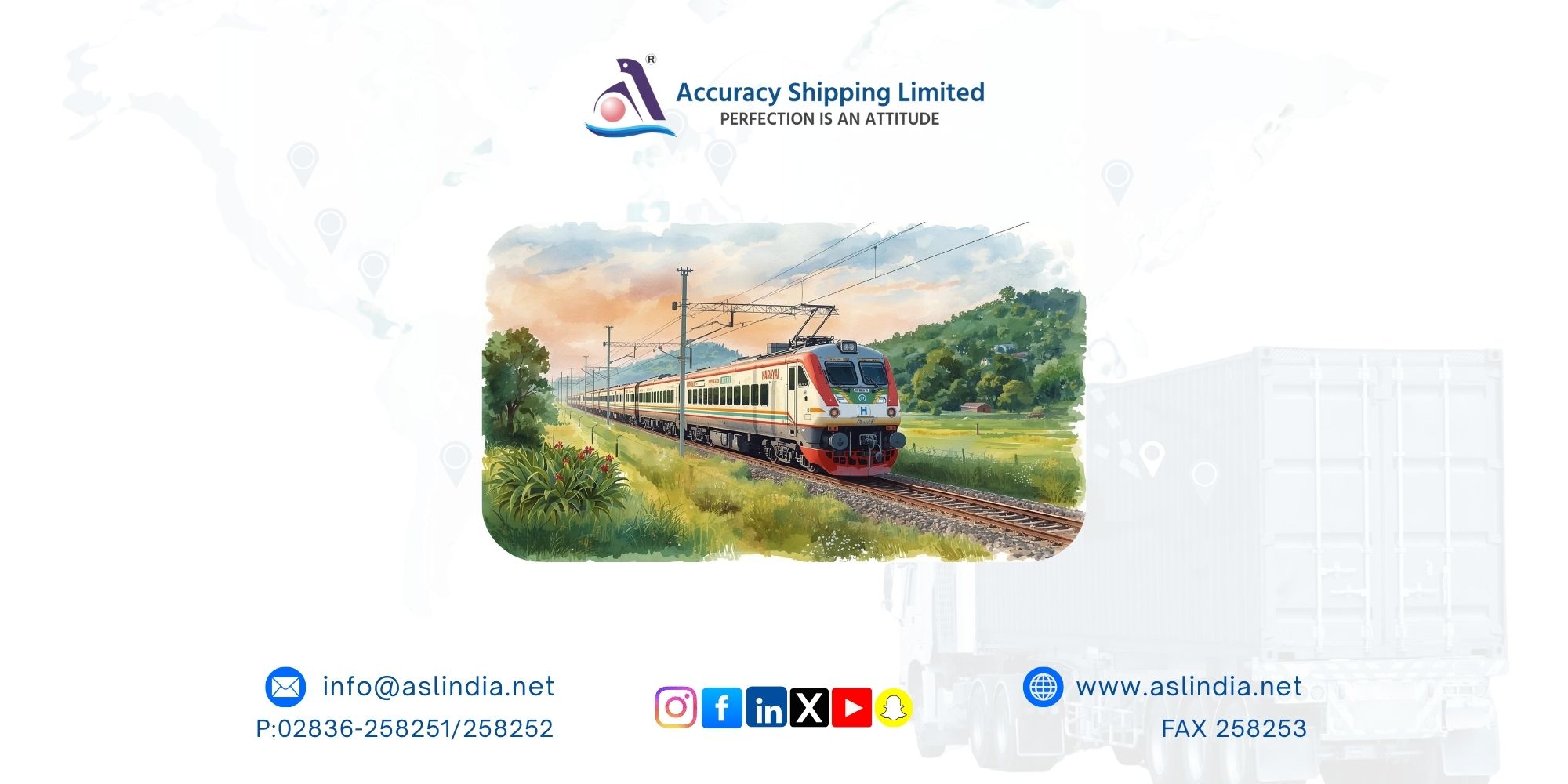
India is on the cusp of a historic leap in green mobility as Indian Railways prepares to launch its first hydrogen-powered train. The indigenously developed train is expected to begin trial operations on the Jind–Sonepat route in Haryana later this month, marking a significant milestone in the country’s journey towards sustainable and low-emission transportation.
Hydrogen Train Trials on Jind–Sonepat Route
According to Dr Krishan Middha, Deputy Speaker of the Haryana Vidhan Sabha and MLA from Jind, the hydrogen train is likely to be inaugurated by Prime Minister Narendra Modi. Coaches of the pioneering train have already started arriving at Jind railway junction, where preparatory work and system installations are underway. Officials have confirmed that trial runs will commence once the remaining equipment is fitted and all safety checks are completed.
The train will operate over the approximately 90-kilometre Jind–Sonepat corridor and is designed for operational speeds ranging from 110 to 140 kmph.
Powerful 10-Coach Hydrogen Trainset
The hydrogen-powered trainset comprises 10 coaches, including two driving power cars and eight passenger coaches. Each power car is rated at 1,200 kW, delivering a combined power output of 2,400 kW. This makes it one of the most powerful hydrogen trains globally, especially in the broad-gauge category, as highlighted by Indian Railways.
Dedicated Hydrogen Production and Refuelling Facility
A key pillar of this project is the dedicated hydrogen production and refuelling plant established at Jind railway junction at a cost of around Rs 120 crore. Spread across nearly 2,000 square metres, the facility produces hydrogen through electrolysis and is designed to support what Indian Railways describes as the world’s longest and most powerful hydrogen-powered train.
The plant includes an underground hydrogen storage system with a capacity of approximately 3,000 kilograms. It requires about 40,000 litres of water per hour, with rainwater harvested from station rooftops contributing to meeting this demand.
Clean Energy and Environmental Benefits
Unlike diesel locomotives, the hydrogen-powered train produces zero carbon dioxide emissions, emitting only water vapour and steam as byproducts. Railways officials noted that one kilogram of hydrogen offers energy efficiency equivalent to about 4.5 litres of diesel. A full round trip of 180 kilometres on the Jind–Sonepat route is expected to consume roughly 360 kilograms of hydrogen, highlighting its potential as a cleaner alternative to fossil fuels.
Advanced Hybrid Propulsion Technology
The train uses a hybrid propulsion system that combines hydrogen fuel cells with renewable energy storage solutions such as lithium-ion batteries or supercapacitors. Electricity generated by the fuel cells is stored in these batteries and then used to power the train. This system enables quieter operation, improved energy efficiency, and potentially lower maintenance costs compared to conventional traction technologies.
Atmanirbhar Bharat and Indigenous Development
Union Railways Minister Ashwini Vaishnaw has informed Parliament that the hydrogen train has been fully designed and developed within India, underscoring Indian Railways’ commitment to self-reliance under the Atmanirbhar Bharat initiative. While the project is being deployed on a pilot basis, the minister noted that it is too early to draw cost comparisons with established traction technologies.
Future Expansion and Redevelopment Plans
Dr Krishan Middha also stated that the Prime Minister is expected to inaugurate the redeveloped Jind railway junction during the launch of the hydrogen train. Following successful trials and initial operations, Indian Railways plans to expand hydrogen train services to additional routes across the country.
A Landmark Step Towards Green Rail Transport
Developed under specifications laid down by the Research, Design & Standards Organisation (RDSO), this project marks Indian Railways’ first foray into hydrogen traction technology. The initiative reflects a long-term commitment to cleaner, low-emission transport solutions and positions India among global leaders exploring hydrogen-powered rail systems for a sustainable future.
Our Tag:
Share:

.png)
.png)
.png)
Newsletters

 16 Jan, 2026
‘She asked me to quit my career and I agreed’: Mary Kom’s ex-husband dares her to prove allegations
 02 Jul, 2025
BJP MPs Walk Out Of Parliamentary Panel Meet, Objecting To Presence Of Medha Patkar, Prakash Raj
 19 Dec, 2025
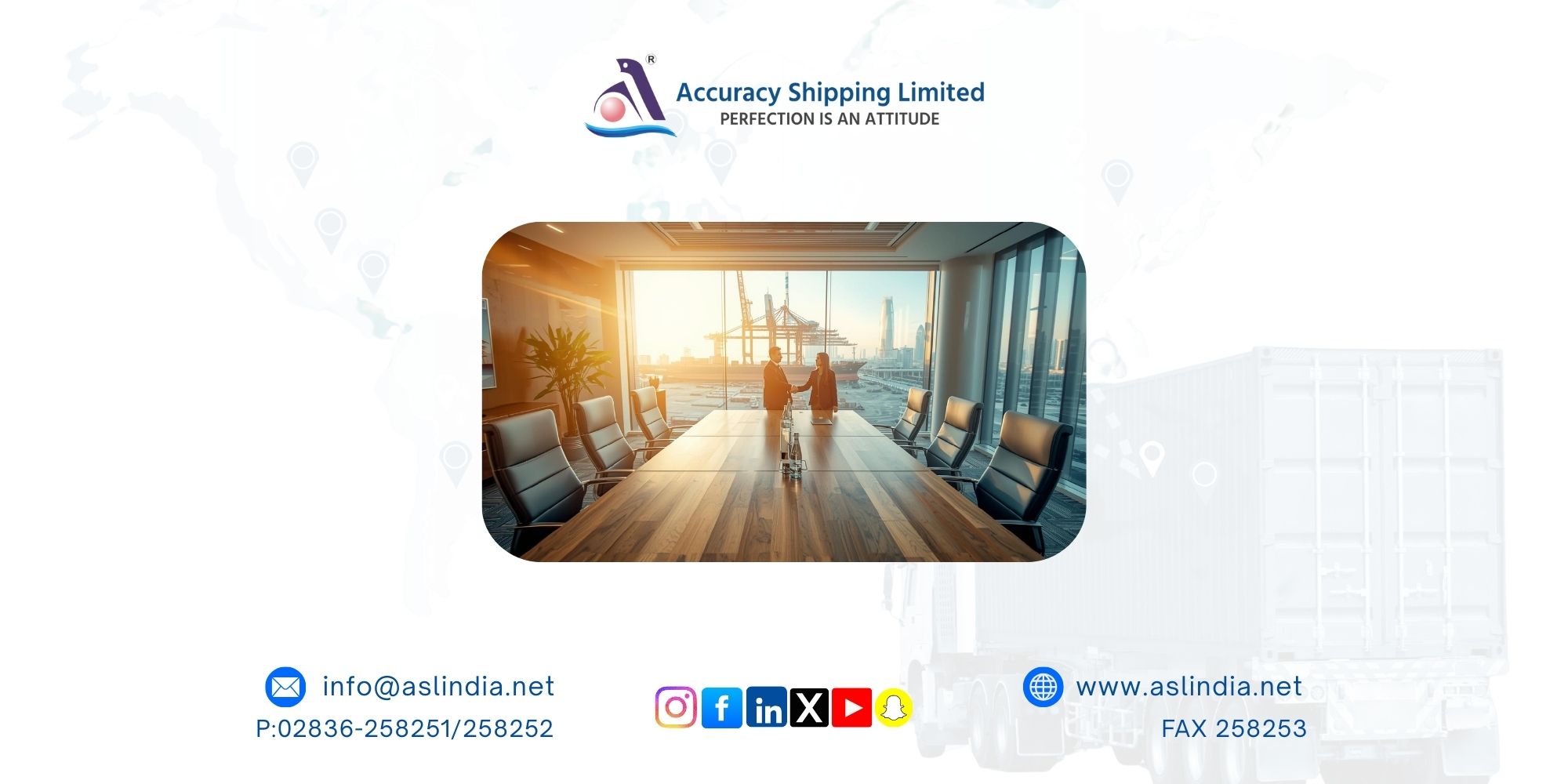
COSCO SHIPPING specialized carriers strengthens strategic engagement with DP World in Dubai
 09 Jan, 2026
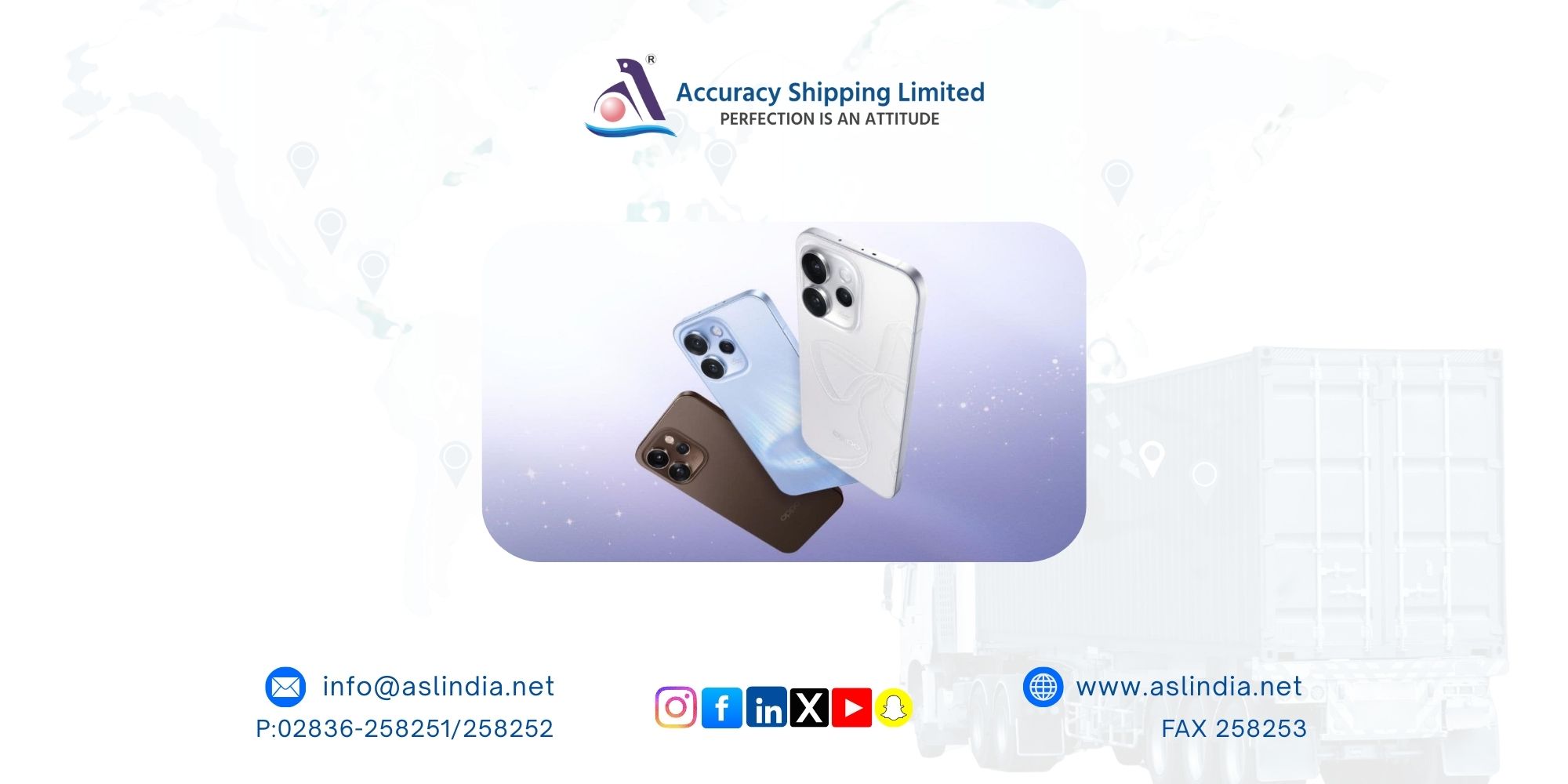
Oppo Reno 15 series launched: Reno 15, Reno 15c, Reno 15 Pro, and Reno 15 Pro Mini compared
 23 Jun, 2025

