



India has diversified LPG sources, says Hardeep Singh Puri amid panic over supply

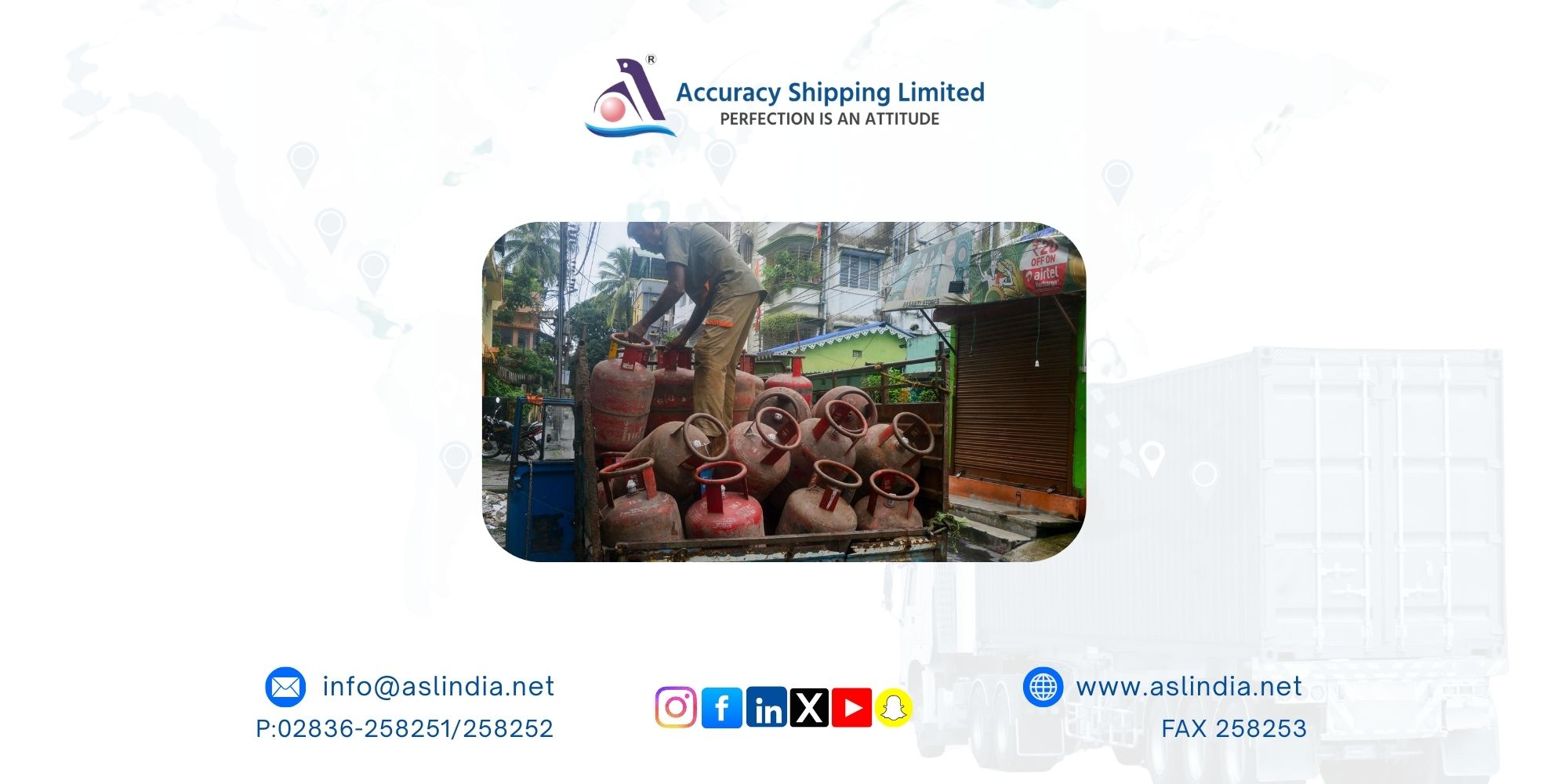
India has taken decisive steps to secure its energy needs by diversifying the sources of liquefied petroleum gas (LPG) imports, Union Petroleum and Natural Gas Minister Hardeep Singh Puri informed Parliament. The move comes amid global concerns over energy supply disruptions triggered by geopolitical tensions in West Asia. According to the minister, India has actively expanded its LPG procurement beyond traditional Gulf suppliers to include countries such as the United States, Norway, Canada, Algeria, and Russia. This diversification strategy ensures stability in domestic cooking gas supply even during global crises.
Previously, India depended heavily on Gulf countries like Qatar, the UAE, Saudi Arabia, and Kuwait for nearly 60% of its LPG imports, while about 40% of demand was met through domestic production. However, the government has broadened its sourcing network to strengthen supply security. The minister noted that the disruption in the Strait of Hormuz a key energy transit route responsible for around 20% of the world’s crude oil, natural gas, and LPG flow has heightened global energy uncertainty due to the ongoing conflict involving Iran, Israel, and the United States.
Despite these challenges, India’s crude oil supply remains secure. Hardeep Singh Puri assured Parliament that the country has successfully sourced crude volumes exceeding what would have been delivered through the Hormuz route. Before the crisis, approximately 45% of India’s crude imports passed through the strait, but non-Hormuz sourcing has now increased to around 70%. India currently imports crude oil from nearly 40 countries, compared with just 27 in 2006–07, providing greater flexibility and resilience in energy procurement. As a result, Indian refineries are operating at high capacity utilisation, with some exceeding 100%, ensuring uninterrupted availability of petrol, diesel, kerosene, aviation turbine fuel, and fuel oil.
The government has also taken steps to stabilise natural gas supply. India produces around 90 million metric standard cubic metres per day (MMSCMD) of natural gas while consuming about 189 MMSCMD. Imports of roughly 30 MMSCMD from Gulf sources have been affected due to force majeure at a major Qatari facility. To manage this gap, the government has prioritised supply allocation under the Natural Gas Control Order issued on March 9 under the Essential Commodities Act. Domestic piped gas supply to households and compressed natural gas (CNG) for vehicles will continue without cuts, while industries will receive up to 80% of their average consumption and fertiliser plants up to 70% to safeguard the agricultural sector.
To strengthen LPG availability, the government issued an LPG Control Order directing refineries to maximise LPG yields and channel the entire output exclusively to the three state-run oil marketing companies Indian Oil Corporation (IOC), Bharat Petroleum Corporation Limited (BPCL), and Hindustan Petroleum Corporation Limited (HPCL). Within five days of implementing the directive, LPG production increased by 28%, while additional procurement is underway. These three oil marketing companies together serve more than 33.1 crore domestic LPG consumers through over 25,500 distributors across the country.
Authorities have also prioritised uninterrupted LPG supply to hospitals and educational institutions. Officials clarified that there is no shortage of fuel at retail outlets, noting that India currently operates more than 99,000 fuel stations nationwide, including over 28,000 in rural areas. Reports of hoarding and panic-booking at distributor levels have largely been driven by consumer anxiety rather than any real supply constraints.
To prevent hoarding and black marketing in the commercial LPG market, the government has introduced temporary regulations. Commercial LPG is typically sold in a deregulated market where businesses can purchase cylinders freely without registration or booking. In the current supply-sensitive environment, such unrestricted sales could lead to diversion and resale at inflated prices. To address this risk, a three-member committee comprising executives from IOC, BPCL, and HPCL was formed on March 9, 2026. The committee is working with state governments and industry associations to assess genuine demand and ensure fair distribution.
Under the new arrangement, 20% of the average monthly commercial LPG requirement will be allocated through oil marketing companies in coordination with state governments. The government has also suggested alternative fuels such as kerosene, biomass, RDF pellets, and coal for restaurants and hospitality businesses for a temporary period of one month, helping prioritise LPG supply for household consumers.
Emphasising the importance of public confidence, Hardeep Singh Puri urged citizens not to spread rumours about shortages. He stated that India is navigating one of the most severe energy disruptions in modern history, yet supply systems remain stable. LPG production has increased significantly, crude supplies are secure, and domestic fuel availability remains uninterrupted.
The government’s primary focus, the minister stressed, is ensuring that the kitchens of more than 33 crore Indian households particularly those of the poor and underprivileged continue to receive cooking gas without disruption. Domestic LPG delivery cycles remain unchanged, with the average time between booking and delivery continuing at approximately 2.5 days, the same as before the crisis.
Our Tag:
Share:

.png)
.png)
.png)
Newsletters

 16 Jun, 2025
Cough, cold, fever spell sweeps city, doctors warn elderly and vulnerable to stay cautious
 06 Nov, 2025
Celebrity nutritionist Rujuta Diwekar shares '3 small lifestyle habits’ that can make a big impact on your health
 13 Feb, 2026
Abhishek Sharma suffers weight loss due to stomach infection, availability for Pakistan T20 World Cup match touch and go
 24 Dec, 2025
Massive Russian Overnight Strikes Hit Ukraine’s Infrastructure; Cargo Ship Damaged in Odesa Port
 02 Jun, 2025

