



India Exits Chabahar Port Project as US Sanctions Bite

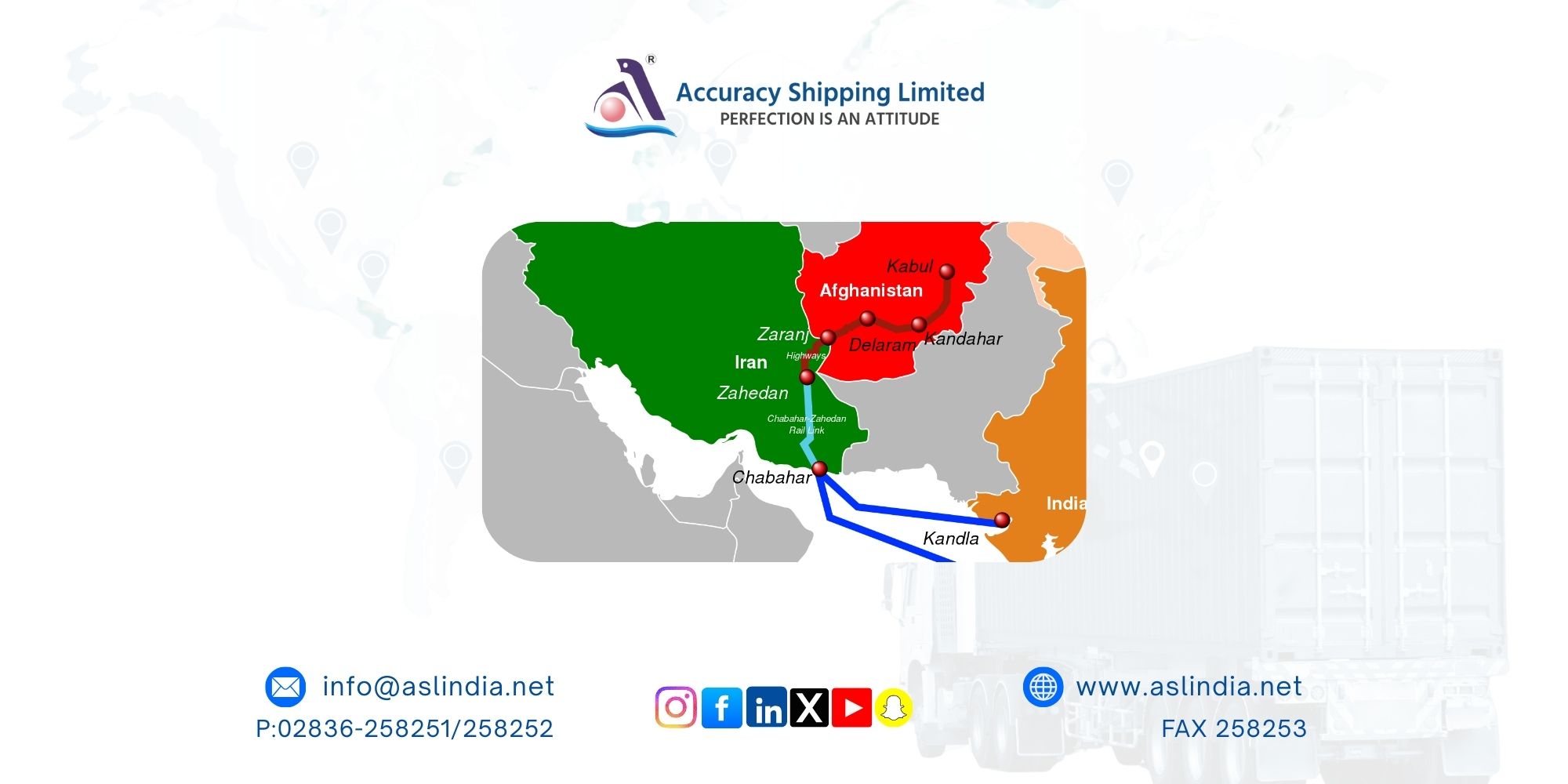
India’s long and complex engagement with Iran’s Chabahar Port has effectively come to an end, as mounting US sanctions and geopolitical pressures force New Delhi to step back from a project once seen as a cornerstone of its regional connectivity strategy.
Background of India’s Chabahar Engagement
India’s involvement in Chabahar Port began over a decade ago, driven by the strategic need to access Afghanistan and Central Asia while bypassing Pakistan. The port, located outside the Persian Gulf on Iran’s southeastern coast, offered India a rare and valuable maritime gateway into landlocked regions. However, this engagement has always unfolded under the shadow of US sanctions on Iran.
The situation escalated sharply after US President Donald Trump announced on January 12 that any country doing business with Iran would face a 25 percent tariff on trade with the United States. This declaration reinforced Washington’s hardline stance and made India’s continued presence at Chabahar increasingly untenable.
Reimposition of US Sanctions and Temporary Waiver
The United States reimposed sanctions on Chabahar Port from September 29, 2025, dealing a decisive blow to India’s strategic calculations. These sanctions effectively crippled India’s ability to operate or invest further in the port without risking serious economic repercussions.
To facilitate an orderly withdrawal, the Office of Foreign Assets Control under the US Department of the Treasury granted India a six-month exemption. This waiver, effective from October 29, 2025, to April 26 this year, allows India to wind down all its activities at Chabahar, including operations at the Shahid Beheshti terminal. The exemption is strictly limited to disengagement and does not permit any fresh involvement.
Financial Commitments Already Settled
More than a year before sanctions were reimposed, India had already transferred its full financial commitment to Iran for the development of Chabahar Port. The amount, estimated at around $120 million, was paid in advance to avoid complications once sanctions returned.
At the time of signing the long-term 10-year agreement in March 2014 to operate the Shahid Beheshti terminal, Indian authorities were aware that US sanctions could be reinstated. By transferring the funds early, India ensured that it would not face future financial liabilities. According to government sources, Iran is now free to use the funds independently, whether for purchasing cranes, port equipment, or continuing operations without Indian participation.
Exit of India Ports Global Ltd
India Ports Global Ltd, the state-owned company responsible for developing and operating the India-funded Chabahar Port, has exited the project amid growing sanctions risk. The company was fully owned by Sagarmala Development Corporation Ltd, now restructured as Sagarmala Finance Corporation Ltd, a maritime-focused NBFC.
Following the renewal of sanctions, government-appointed directors resigned from the IPGL board, and the company’s website was taken offline. This step was taken to insulate individuals and entities associated with the project from potential US sanctions exposure. According to government sources, India had no physical assets at the port and was primarily involved through manpower and operational support, making the exit logistically feasible.
Iran’s Internal Unrest and Geopolitical Uncertainty
India’s withdrawal also coincides with significant internal turmoil in Iran. The country is witnessing widespread anti-government protests, with reports of numerous casualties in recent weeks. This instability further complicates the prospects of any foreign engagement.
Going forward, India’s return to Chabahar would depend on major shifts, including a possible regime change in Iran and a revised stance on its nuclear programme, which remains the primary trigger for international sanctions.
Strategic Importance of Chabahar Port
Despite India’s exit, the strategic value of Chabahar Port remains undeniable. Situated in Iran’s Sistan-Baluchistan Province, the port was envisioned as a critical link for regional trade and connectivity. It provided India with sea-land access to Afghanistan and Central Asia through Iran’s eastern borders, strengthening economic and diplomatic ties in the region.
Chabahar was also positioned as a key gateway under the International North-South Transport Corridor, or International North-South Transport Corridor. This 7,200-kilometre multimodal network of sea, rail, and road routes aims to connect India with Iran, Afghanistan, Azerbaijan, Russia, Central Asia, and Europe, significantly reducing transit time and costs.
Conclusion
India’s exit from the Chabahar Port project underscores how global geopolitics and sanctions regimes can override long-term strategic planning. While New Delhi has safeguarded itself financially and operationally, the withdrawal marks a setback in India’s ambitions to deepen its footprint in Central Asia. For now, Chabahar stands as a reminder of the fragile balance between strategic interests and international political realities.
Our Tag:
Share:

.png)
.png)
.png)
Newsletters

 28 Jan, 2026
Tata Steel to BEL: Jay Thakkar suggests three stocks to buy or sell for short-term in F&O segment
 20 May, 2025
In SC setback for Vodafone Idea, Airtel, a silver lining for telcos seeking AGR relief
 22 Apr, 2025
Study Underscores Health Care Access Concerns for Elderly in India
 07 Nov, 2025
Heart surgeon with 25 years of experience says these 7 ‘boring’ lifestyle habits are secret to a longer, healthier life
 19 Mar, 2026

