



India, EU to upgrade ties at Delhi summit, but still working out trade deal

Introduction
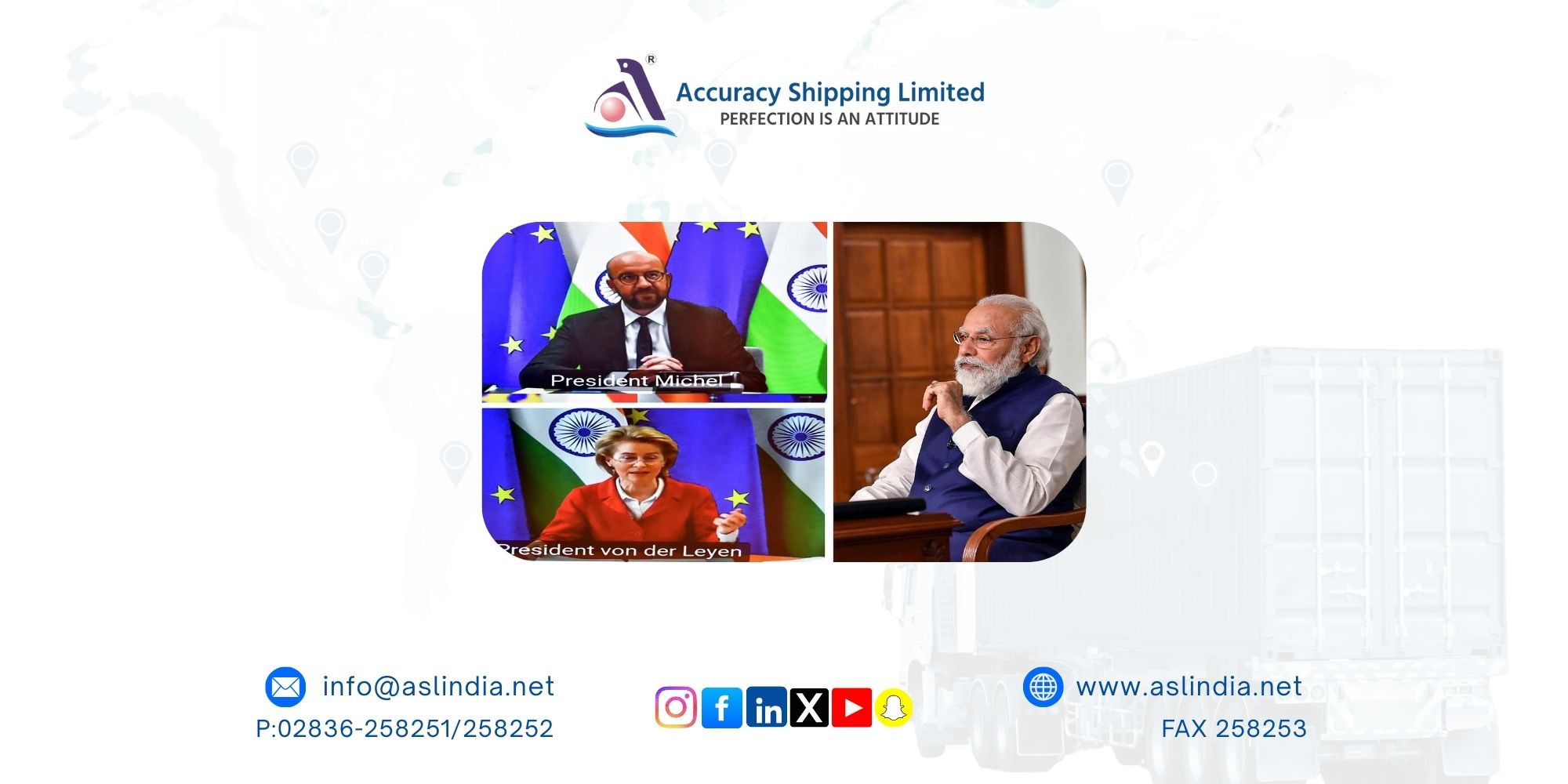
India and the European Union are set to elevate their strategic partnership at the 16th EU-India Summit in New Delhi on January 27, even as negotiations on a long-pending Free Trade Agreement (FTA) continue into the final hours. The summit reflects growing convergence between the two partners amid shifting global economic and geopolitical realities.
Strengthening Strategic Cooperation
A joint statement expected at the summit will outline a new five-year strategic roadmap for India–EU relations. Deeper cooperation is likely to be announced across several critical areas, including climate change, resilient supply chains, critical minerals, humanitarian assistance and disaster relief, and enhanced coordination at multilateral forums. These initiatives aim to strengthen economic security and global governance cooperation between the two sides.
Status of the India–EU Trade Agreement
At the heart of the summit is the proposed FTA, a complex agreement that has been under negotiation for over two decades. Talks have intensified less than 72 hours before the summit, but sensitive issues continue to pose challenges. These include concerns around agriculture, carbon border adjustment mechanisms, services delivery, and non-tariff barriers.
Commerce Secretary Rajesh Agrawal confirmed that sensitive agricultural issues on both sides are currently off the table. EU officials have indicated that while the conclusion of negotiations may be announced in Delhi, the agreement will not be formally signed yet. Recent trade difficulties faced by the EU, including delays to its Mercosur agreement, underline the political and legal complexities involved.
Defence and Security Partnership
Beyond trade, a major highlight of the summit will be the signing of a new Defence and Security partnership. EU officials have described this as significant, noting that it is only the third such comprehensive agreement the EU has concluded in Asia, after Japan and the Republic of Korea.
The agreement will establish a broad framework for cooperation rather than detailing specific commitments on co-production, joint military exercises, or technology transfer. While technology transfer is referenced, it will remain subject to national regulations and company-level decisions.
Security Dialogue and the Russia Factor
The new security partnership also brings into focus differing perspectives on Russia. India and the EU have acknowledged their contrasting historical and geopolitical approaches to Russia and the Ukraine conflict. While the EU has raised concerns over India’s military engagements and energy trade with Russia, India has countered by highlighting the EU’s own economic ties. Officials on both sides have emphasized the importance of sustained dialogue to better understand each other’s security concerns and determine an optimal level of cooperation.
Mobility Framework and People-to-People Ties
The summit is also expected to conclude a Memorandum of Understanding on mobility. This framework will facilitate the movement of four categories of individuals: highly skilled workers, students, researchers, and seasonal workers. While EU-wide legislation already covers these categories, individual member states will retain control over admission numbers.
IMEC Corridor and Global Context
India and the EU have reiterated their commitment to advancing the India–Middle East–Europe Economic Corridor (IMEC), with feasibility studies planned despite earlier setbacks caused by the Israel–Gaza conflict.
The broader geopolitical backdrop has added urgency to closer India–EU ties. With transatlantic relations strained under the administration of Donald Trump, ongoing conflict in Ukraine, efforts to de-risk relations with China, and trade disruptions with the U.S., both India and the EU see strategic value in deepening their partnership. For India, facing high U.S. tariffs, an EU trade deal is crucial, especially as bilateral trade reached over $136 billion in FY 2024/25, making the EU India’s largest goods trade partner.
Conclusion
While the India–EU Free Trade Agreement remains a work in progress, the Delhi summit marks a clear step toward stronger strategic, economic, and security cooperation. The outcomes are expected to shape the trajectory of India–EU relations over the next five years, signaling a shared intent to navigate global uncertainty through closer collaboration.
Our Tag:
Share:

.png)
.png)
.png)
Newsletters

 07 Oct, 2025
Bihar assembly polls may see the beginning of post-Mandal politics
 05 Dec, 2025
DP World launches freight forwarding services in Sweden
 30 Dec, 2025
MV CARDINAL VICTORY sets record import at Paradip port’s KICT berth
 30 Jan, 2026
Stock market today: Trade setup for Nifty 50, gold, silver rates to USD vs INR eight stocks to buy or sell on Friday
 11 Jul, 2025

