



India Considers Deploying Navy to Escort Ships Through Hormuz Strait

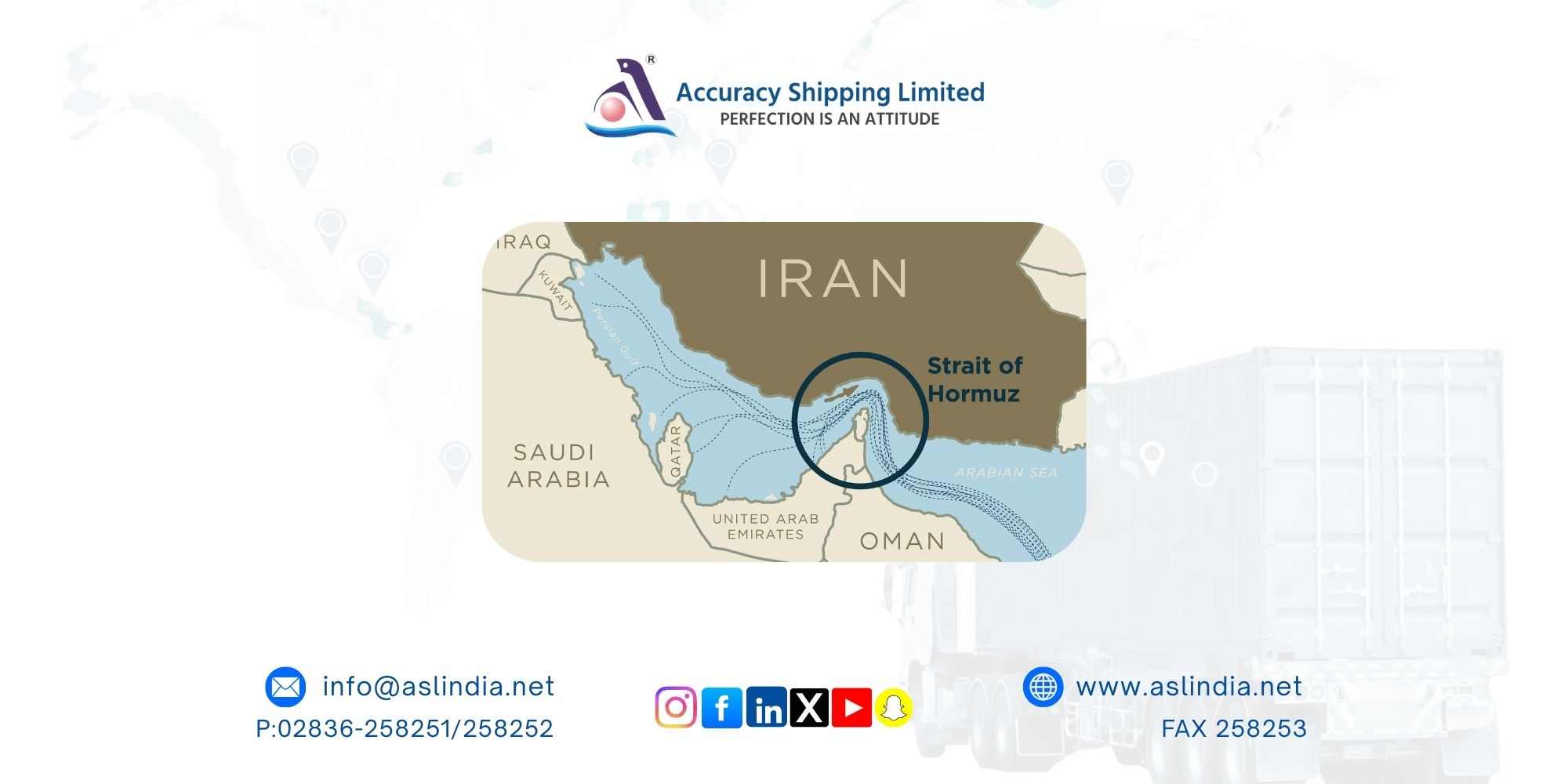
Growing geopolitical tensions in West Asia have raised serious concerns about the safety of commercial shipping routes. In response, the Government of India is considering deploying naval escorts to protect merchant vessels transiting the Strait of Hormuz, one of the world’s most critical maritime chokepoints for energy trade.
The move comes as the ongoing Iran-related conflict increases risks for international shipping, prompting several countries and shipping companies to reassess safety measures for vessels operating in the region.
Importance of the Strait of Hormuz for Global Trade
The Strait of Hormuz is a narrow waterway connecting the Persian Gulf to the Arabian Sea and serves as a vital artery for global energy supplies.
Key facts about the strait include:
It handles a significant portion of the world's oil and liquefied natural gas (LNG) shipments.
Major energy exporters such as Saudi Arabia, Iraq, Kuwait, the UAE, and Qatar transport oil and gas through this route.
The strait is only about 33 kilometers wide at its narrowest point, making it vulnerable to disruptions or security threats.
Because of its strategic location, any instability in the region can quickly impact global energy prices, shipping schedules, and supply chains.
India Evaluating Naval Escorts for Merchant Vessels
According to reports, Indian authorities are reviewing the possibility of deploying Indian Navy ships to escort commercial vessels traveling through high-risk areas of the Strait of Hormuz.
The proposed measure would focus on:
Protecting Indian-flagged vessels
Ensuring safety of ships carrying Indian cargo
Safeguarding vessels with Indian crew members
Naval escorts would accompany merchant ships through sensitive sections of the route, helping deter potential threats such as attacks, seizures, or disruptions linked to regional conflicts.
Such missions are not unprecedented, as navies worldwide often conduct maritime security patrols and convoy operations in conflict-prone shipping lanes.
Strategic Importance for India’s Energy Security
India is one of the largest energy importers in the world, relying heavily on crude oil and natural gas supplies from Gulf nations.
A substantial share of India’s crude oil imports travels through the Strait of Hormuz before reaching Indian ports. Any disruption in this corridor could significantly affect:
Energy supply stability
Oil prices in the domestic market
Industrial production and transportation sectors
Because of this dependence, securing maritime energy routes remains a key strategic priority for the country.
Reassurance for Shipping Companies and Insurers
Industry experts believe the deployment of naval escorts could help restore confidence among shipping companies, cargo operators, and marine insurers operating in the region.
Heightened geopolitical tensions often lead to:
Increased insurance premiums for ships
Higher freight costs
Delays in cargo deliveries
Naval protection could help reduce perceived risks and maintain smoother maritime trade flows, especially for vessels carrying essential commodities such as oil, LNG, and industrial cargo.
Coordination With International Maritime Partners
Indian authorities are also closely monitoring developments in the Gulf region and coordinating with international maritime partners to ensure the continued safety of shipping lanes.
Global cooperation plays a vital role in maintaining security in strategic waterways like the Strait of Hormuz, where multiple countries rely on uninterrupted trade and energy flows.
Conclusion
As geopolitical tensions continue to affect maritime security in West Asia, India’s consideration of naval escorts for ships passing through the Strait of Hormuz highlights the growing importance of protecting global shipping routes.
Ensuring safe passage for merchant vessels will not only safeguard Indian cargo and crew but also help maintain stability in global energy supply chains. With the Strait of Hormuz serving as a lifeline for international oil trade, proactive maritime security measures may become increasingly necessary in the coming months.
Our Tag:
Share:

.png)
.png)
.png)
Newsletters
 26 Feb, 2026
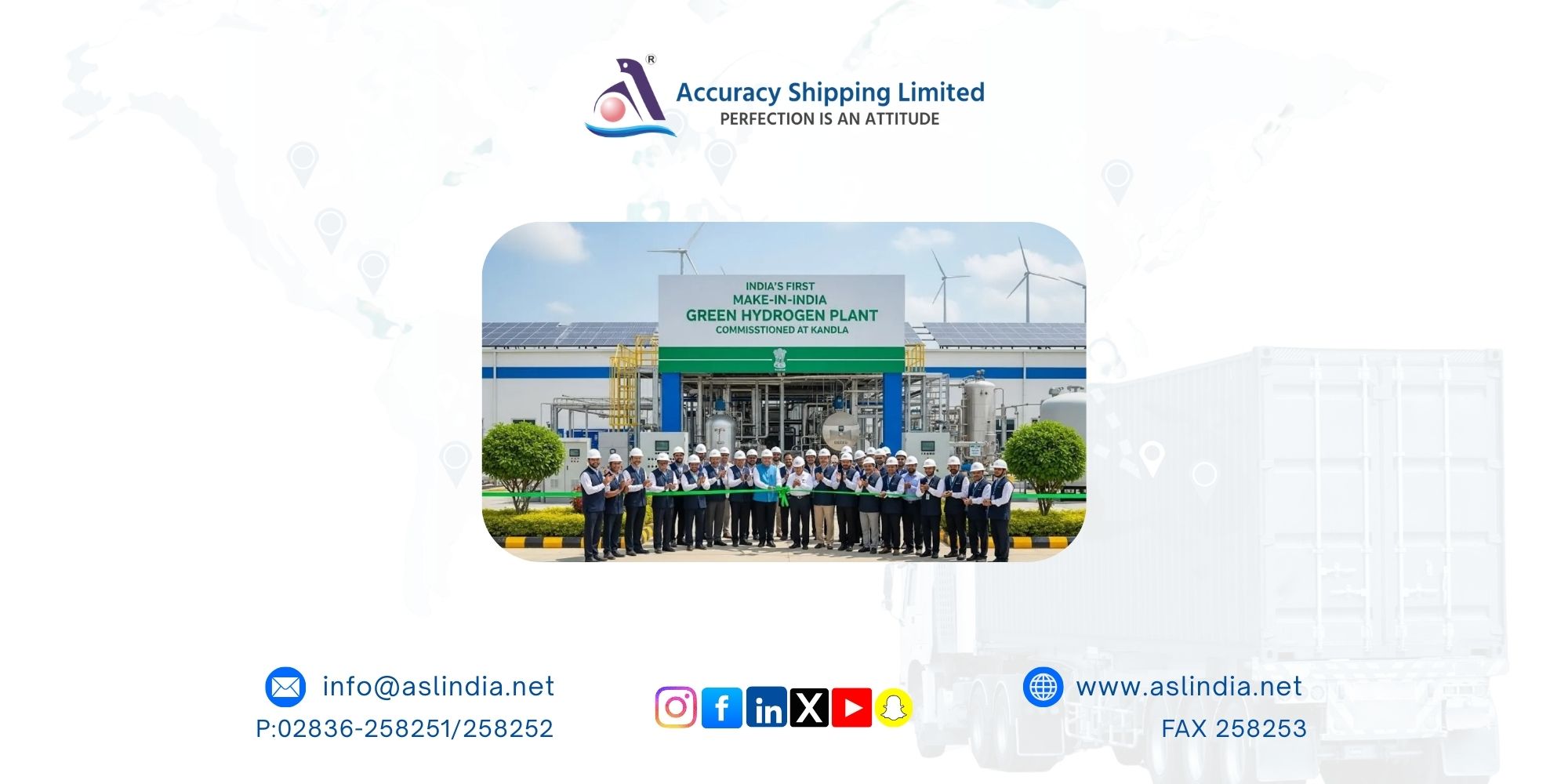
Belgian Hydrogen Council Delegation Visits Deendayal Port Authority, Kandla to Boost Green Hydrogen Collaboration
 19 Dec, 2025
Snapchat can now create music-synced videos in seconds with ‘Quick Cut’ feature: here's how it works
 26 Jun, 2025
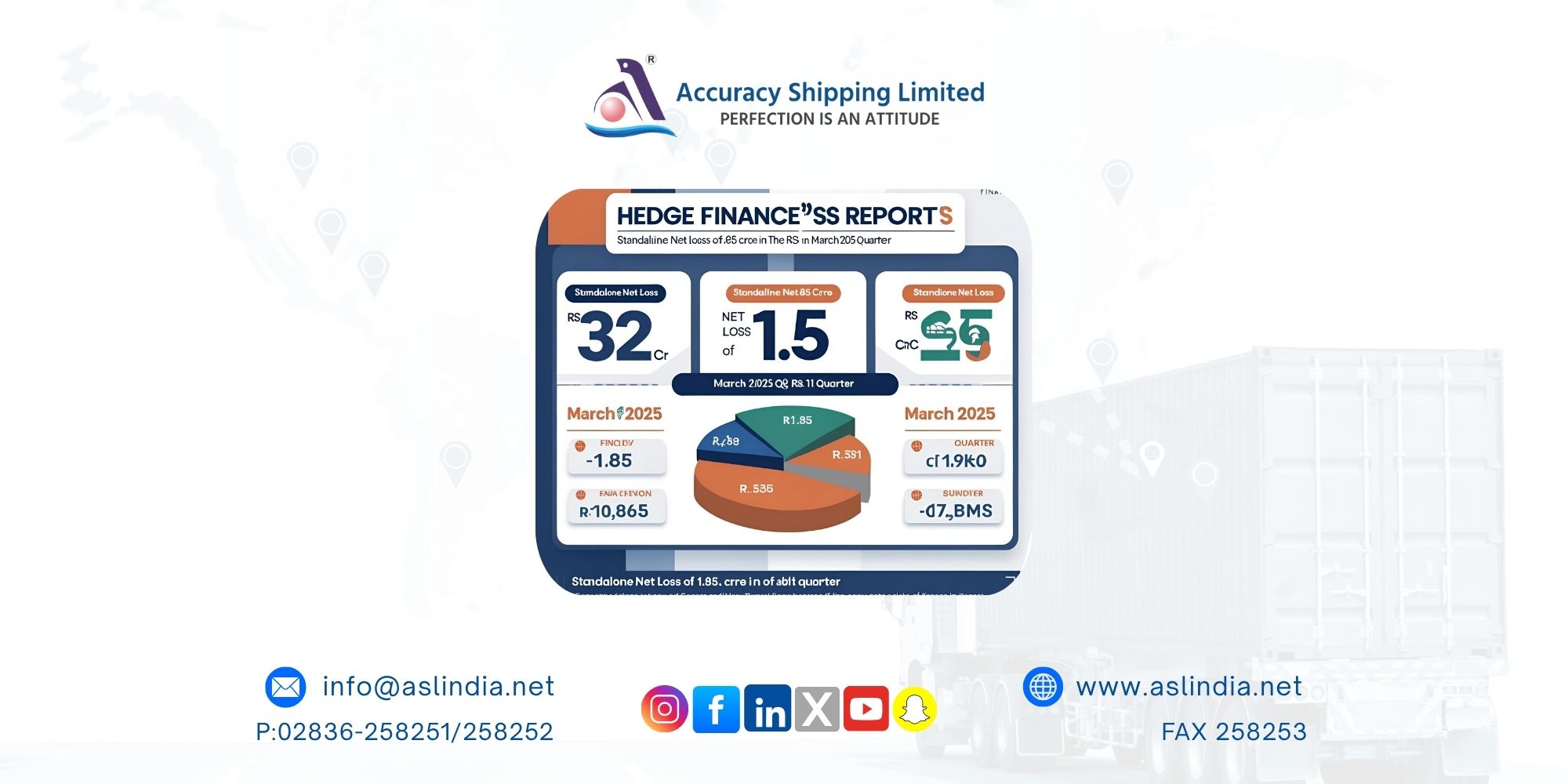
Hedge Finance reports standalone net loss of Rs 1.85 crore in the March 2025 quarter
 24 Jun, 2025
Samsung Galaxy Z Fold 7, Galaxy Z Flip 7 launch confirmed for July 9
 23 Mar, 2026

