



Gulf Conflict Poses Major Risk to $1 Billion Indian Agricultural Exports

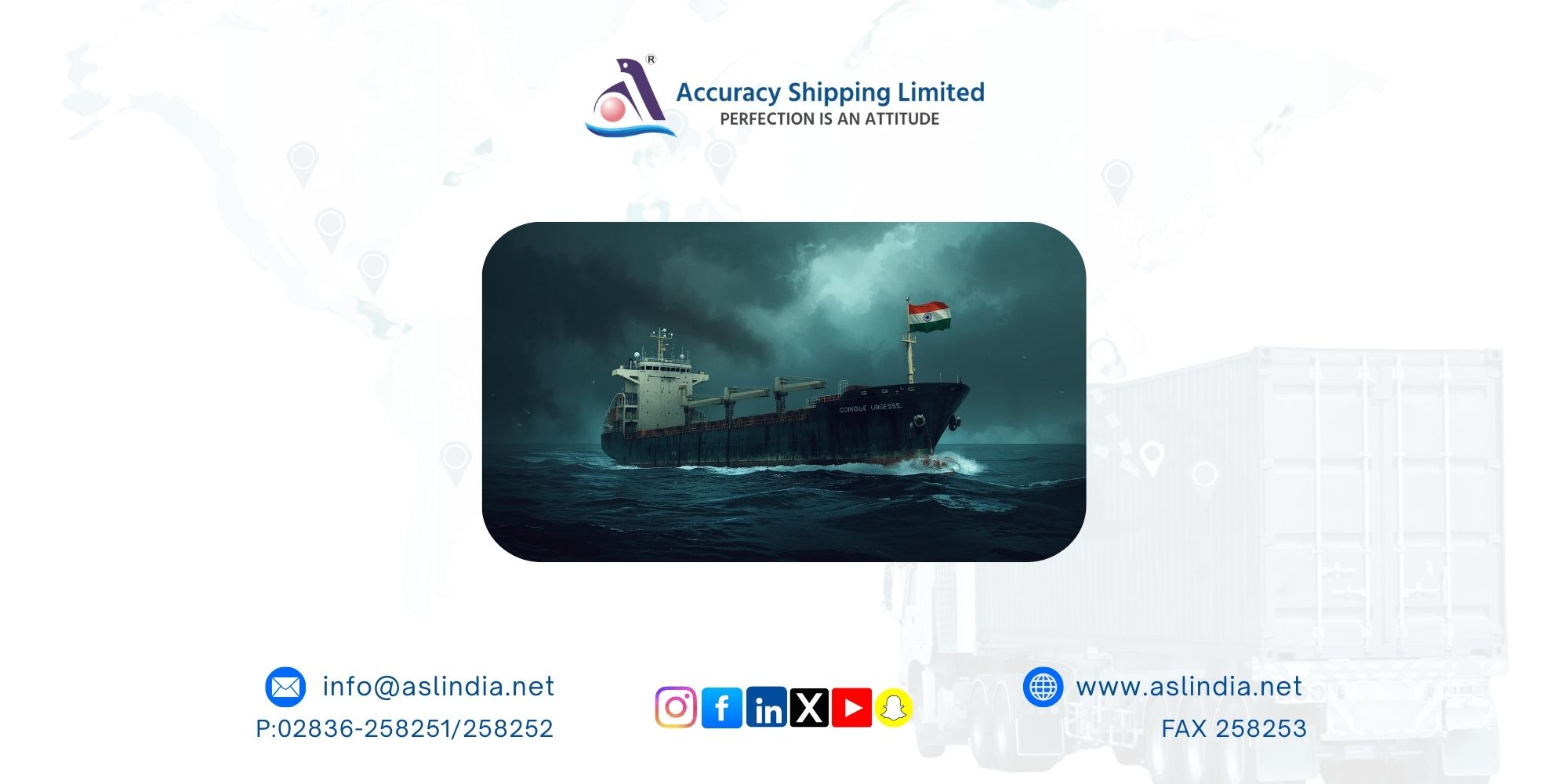
Ongoing geopolitical tensions between Israel, the United States, and Iran are creating uncertainty across global shipping routes, particularly in the Middle East. These developments are beginning to affect freight movement, logistics planning, and insurance costs, raising concerns for Indian exporters who rely heavily on Gulf markets. According to a report by the Delhi-based Global Trade Research Institute (GTRI), several Indian agricultural exports now face significant risk due to the evolving conflict situation.
The analysis identifies six key agricultural and food product categories that are highly vulnerable to disruptions. Together, these commodities account for nearly $1 billion in Indian exports in 2025, highlighting the scale of the potential impact. The most exposed products include sheep and goat meat, with 98.9% of exports going to Gulf markets, followed by fresh or chilled beef (97.4%), copra or dried coconut kernel (83.9%), beer (81.0%), bananas and plantains (79.6%), and nutmeg, mace, and cardamom (70.5%). Because such a large share of these products is exported to the Gulf region, any disruption in shipping or port logistics could significantly affect exporters and supply chains.
Ajay Srivastava, founder of the Global Trade Research Institute, noted that the Gulf region has historically been a key destination for Indian agricultural exports. Its geographical proximity, established trade routes, and a large Indian diaspora have made it an attractive and reliable market for Indian producers. However, ongoing conflict risks, potential shipping disruptions, and rising marine insurance premiums are now creating uncertainty for exporters who depend heavily on this region.
In 2025, India exported approximately $11.8 billion worth of agricultural and food products to the Gulf, representing over one-fifth of the country’s total agricultural exports. This substantial trade relationship highlights how closely linked India’s agri-export sector is to the stability of Middle Eastern trade routes. If disruptions continue, exporters could face higher freight costs, shipment delays, and reduced market access.
Beyond the six highly exposed products, several other export categories also face considerable risk due to their heavy reliance on Gulf markets. These include butter and dairy fats, soft drinks, coconut and palm kernel oil, manufactured tobacco products, fresh vegetables, cheese and curd, fresh fruits, tea, sunflower or cottonseed oil, and cigarettes and cigars, each sending at least 40% of their global exports to the region. Among these, tea exports are valued at $410 million, tobacco products at $215 million, and butter and dairy fats at $203 million, making them particularly important contributors to India’s export revenue.
Rice, one of India’s most significant agricultural exports, has been categorized as medium risk. Approximately 36.7% of India’s global rice exports are shipped to the Gulf, amounting to $4.4 billion in 2025. While rice exports are more diversified compared to other products, disruptions in Gulf shipping routes could still affect overall trade volumes and pricing.
Some export categories show relatively lower dependence on the Gulf market. These include coffee (17.7%), bread, biscuits, and bakery products (17.7%), raw tobacco (16.9%), other food preparations (16.9%), sugar (16.4%), and crustaceans such as shrimp and prawns (4.3%). However, prolonged instability around the Strait of Hormuz, a critical maritime trade route, could still increase transportation costs for global shipments. Longer shipping routes, combined with higher fuel and insurance costs, could make exports to Western markets more expensive and less competitive.
Industry experts warn that if tensions in the region continue or escalate, the effects could ripple through India’s agricultural economy. Supply chains may face delays, exporters could encounter rising logistics costs, and price volatility might affect both producers and buyers. The situation highlights the importance of strengthening supply chain resilience and developing alternative markets.
Ajay Srivastava emphasized the need for strategic diversification in India’s export strategy. Overreliance on a single geographic region can expose exporters to sudden disruptions, particularly during geopolitical conflicts. Expanding into new markets across Africa, Southeast Asia, and Europe could help Indian exporters reduce risk while maintaining stable demand for agricultural products.
In the long term, improving logistics infrastructure, strengthening trade partnerships, and diversifying export destinations will be critical steps for India’s agricultural export sector. As global trade routes face increasing geopolitical uncertainty, proactive planning and market diversification will play a key role in safeguarding the growth and stability of India’s agri-export economy.
Our Tag:
Share:

.png)
.png)
.png)
Newsletters
 10 Jul, 2025
16 Of The Best Foods For Gut Health, According To Dieticians, Nutritionists & Doctors
 21 Aug, 2025
JNPA, Vadhvan Port and TUTR Hyperloop sign MoU to transform cargo transport
 19 Feb, 2026
TCS to Infosys, Wipro: Indian IT stocks mirror decline in US tech shares - How long can the AI-led selloff persist?
 21 Jul, 2025
Mulapeta set to become mega port as centre pushes development plans
 13 Jun, 2025

