



First India-bound oil tanker crosses Strait of Hormuz, reaches Mumbai Port

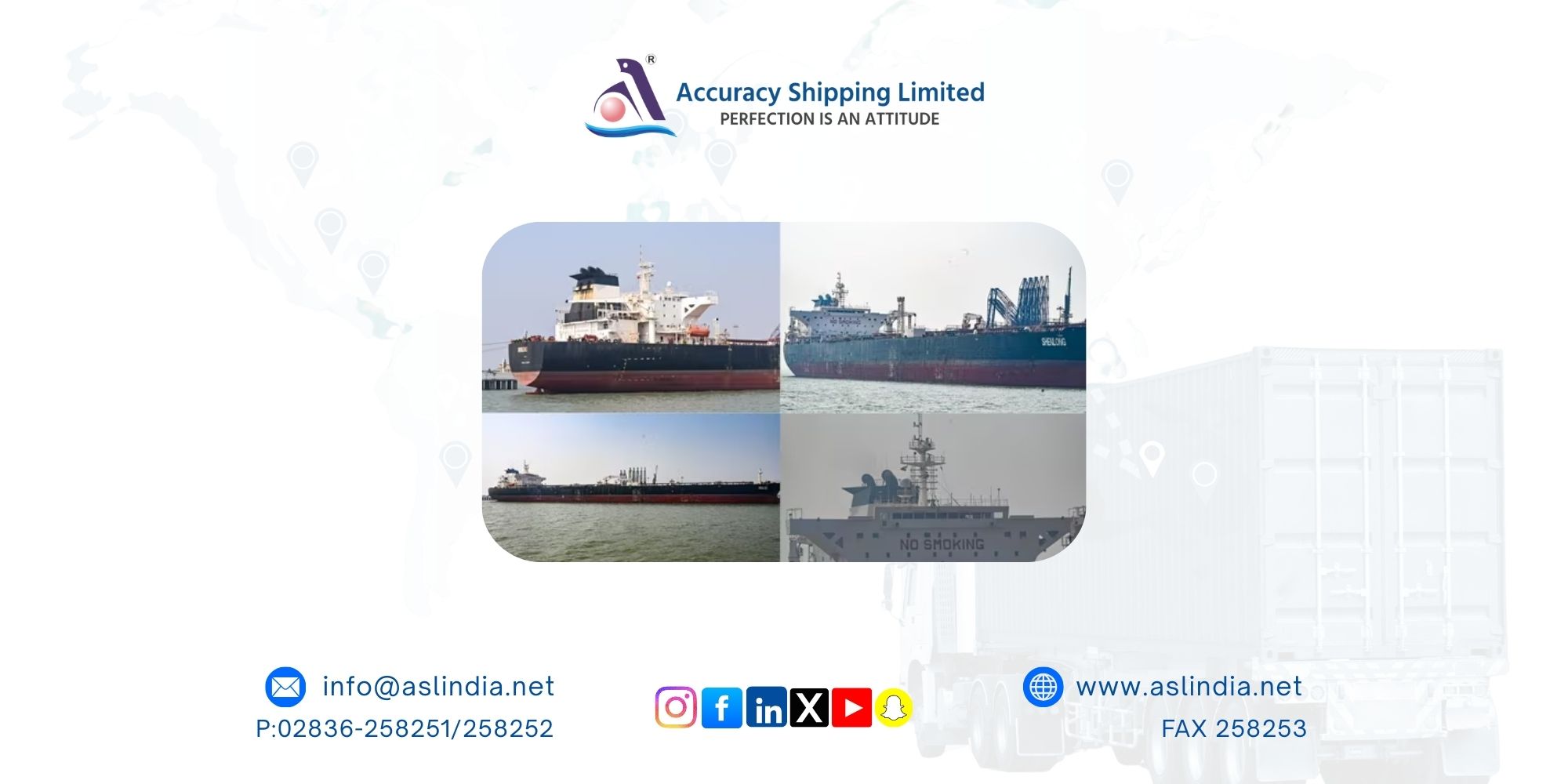
Amid rising geopolitical tensions in the Middle East, a major development in global oil trade has taken place as the first India-bound crude oil tanker successfully crossed the Strait of Hormuz and docked at Mumbai Port. The Liberia-flagged Suezmax tanker Shenlong, captained by an Indian officer, completed the risky journey from Saudi Arabia and arrived safely with over 1.35 lakh metric tonnes of crude oil.
The vessel’s successful transit through one of the world’s most sensitive maritime chokepoints comes at a time when several ships remain stranded due to escalating conflict involving the United States, Israel, and Iran.
Journey from Saudi Arabia to India
The tanker Shenlong loaded crude oil at Ras Tanura in Saudi Arabia on March 1 and departed two days later. The vessel then navigated toward India through the Strait of Hormuz, a narrow but strategically vital waterway that connects the Persian Gulf with the Gulf of Oman.
Maritime tracking data from Lloyd’s List Intelligence and TankerTrackers indicated that the tanker’s last transmitted position inside the strait was recorded on March 8. While crossing the most sensitive part of the waterway, the ship temporarily disappeared from tracking systems.
Sources indicated that the tanker switched off its Automatic Identification System (AIS) a common precaution taken by vessels when passing through high-risk zones. The ship later reappeared on tracking databases on March 9, continuing its journey toward India.
Strait of Hormuz: A Critical Oil Corridor
The Strait of Hormuz is considered one of the most important maritime routes for global energy trade. Nearly one-fifth of the world’s crude oil supply passes through this narrow channel every day.
However, the route has recently become increasingly dangerous. Iran has reportedly targeted merchant vessels and warned that oil shipments would only be allowed to pass through the waterway if the cargo is destined for China. This has created uncertainty for many international oil shipments and forced several ships to delay or reroute their journeys.
Indian Ships Allowed Safe Passage
Despite the tense situation, reports indicate that two Indian-flagged vessels were allowed to pass safely through the Strait of Hormuz amid the ongoing Iran-US conflict that began on February 28.
Sources say these vessels began transiting through the strait between Wednesday night and Thursday morning, although an official statement from authorities is still awaited.
According to India’s Directorate General of Shipping, 28 Indian-flagged ships remain in or near the region following the outbreak of the conflict. Several vessels have already moved away from the high-risk zone.
Seven ships Desh Mahima, Desh Abhiman, Swarna Kamal, Vishva Prerna, Jag Viraat, Jag Lokesh, and LNGC Aseem have sailed into the Arabian Sea, while another vessel Jag Lakshya has headed toward Angola.
Arrival at Mumbai Port
The tanker Shenlong arrived at Mumbai Port around 1:00 pm on Wednesday and was berthed later at 6:06 pm at Jawahar Dweep, a key oil handling terminal.
According to Praveen Singh, Deputy Conservator of the Mumbai Port Authority, the ship is carrying 1,35,335 metric tonnes of crude oil.
“The ship Shenlong is carrying 1,35,335 metric tonnes of crude oil. She is berthed at Jawahar Dweep and has started discharging the crude cargo,” he said.
Officials estimate that the unloading process will take approximately 36 hours.
Vessel Ownership and Crew
The tanker is owned by Shenlong Shipping Ltd and managed by Dynacom Tanker Management Ltd. Port operations are being coordinated by Atlantic Global Shipping.
According to Jitendra Jadhav from Atlantic Global Shipping, the vessel carries a multinational crew of 29 members, including sailors from India, Pakistan, and the Philippines.
The ship is captained by Sukshant Singh Sandhu, an Indian mariner who successfully navigated the vessel through the tense waters of the Strait of Hormuz.
Strategic Importance for India
The successful arrival of the Shenlong tanker highlights the resilience of global shipping operations despite geopolitical instability. For India, which imports a large portion of its crude oil requirements, maintaining safe maritime supply routes is essential for energy security.
The vessel’s safe passage through the Strait of Hormuz demonstrates that while tensions remain high, strategic navigation and coordination between shipping companies and authorities can ensure the continued flow of critical energy supplies.
As the situation in the Middle East continues to evolve, global shipping companies and governments will closely monitor the safety of maritime routes that remain vital for international trade and energy markets.
Our Tag:
Share:

.png)
.png)
.png)
Newsletters
 03 Jul, 2025
Adani Ports handles 41.3 MMT of cargo volumes in June25
 14 Jul, 2025
What Happens to Your Body When You Skip Meals?
 24 Oct, 2025
Women Cricket World Cup: It’s a big relief, says Mandhana after India storms into semifinal
 24 Jan, 2026
India's central bank to inject over $23 billion of liquidity into banking system
 07 Jan, 2026

