



Daifuku’s Hyderabad Plant Delivers 30-Metre Automated Stacker Crane, Marking Major Intralogistics Milestone

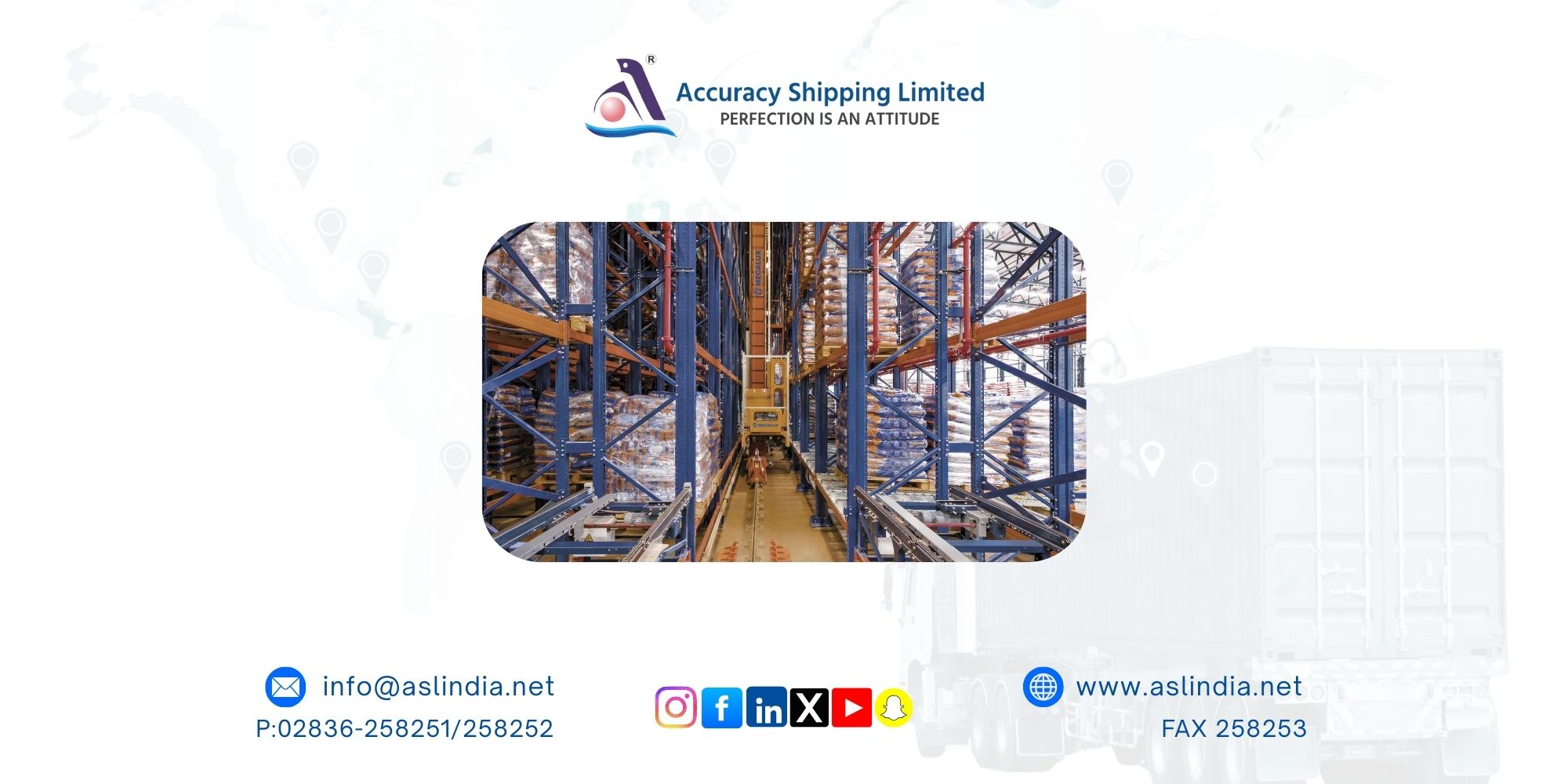
India’s intralogistics manufacturing ecosystem has reached an important milestone with the successful fabrication of a 30-metre automated stacker crane at the Hyderabad facility of Daifuku. This achievement reflects India’s growing capability to design and manufacture high-precision automation systems within the country, reinforcing its position in the global intralogistics landscape.
A leap beyond conventional assembly
The development of the 30-metre automated stacker crane represents a shift from traditional assembly-led operations to advanced, end-to-end manufacturing. Producing such a large and complex system locally demonstrates India’s increasing engineering depth and its ability to handle sophisticated intralogistics equipment. This progress also highlights a move toward higher localisation, reducing dependence on imports while strengthening domestic manufacturing capabilities.
Strengthening automated warehousing solutions
The indigenously built stacker crane is a key component of automated storage and retrieval systems, which are becoming essential for modern warehouses. As industries focus on faster order fulfilment, space optimisation, and operational efficiency, such automation-driven solutions are gaining rapid traction across e-commerce, manufacturing, and logistics sectors. Local production of these systems enhances supply chain resilience and supports quicker deployment for customers.
Synergy of global expertise and Indian talent
Commenting on the achievement, Asim B., Chief Executive Officer, Daifuku Intralogistics India, highlighted the collaborative strength behind the project. He noted that the successful fabrication showcases how global technological expertise combined with Indian engineering talent can deliver advanced automation systems designed for the future of warehousing. This synergy is a strong indicator of India’s readiness to take on complex, high-value manufacturing roles.
Alignment with smart warehousing and Make in India
Industry observers see this milestone as closely aligned with the broader push toward smart warehouses and automation-led efficiency. It also supports the Make in India initiative by demonstrating that advanced intralogistics equipment can be designed and manufactured domestically. With demand for automated storage and retrieval systems rising steadily, such capabilities position India as a competitive and reliable player in the global intralogistics value chain.
Hyderabad facility’s role in global supply chains
Daifuku’s Hyderabad plant is expected to play a strategic role in meeting both domestic and export requirements. By serving as a manufacturing hub for next-generation warehouse automation solutions, the facility strengthens India’s standing as a centre for advanced intralogistics manufacturing and supports the country’s ambitions in high-tech industrial growth.
Our Tag:
Share:

.png)
.png)
.png)
Newsletters
 03 Sep, 2025
Realme 15T 5G with 6.57-inch AMOLED display, 7,000mAh battery launched in India: Price, specs, launch offers and more
 12 Mar, 2026
JM Baxi Paradip Terminal Records Highest Single-Day Cargo Handling
 10 Sep, 2025
Vizhinjam port sets record with 16.95m draft vessel during Onam
 09 Mar, 2026
Vizhinjam Port Operator Seeks 20 Acres for Planned Cruise Village
 26 Jul, 2025

