



Chemical tanker arrested at Deendayal Port as charter dispute escalates

Introduction
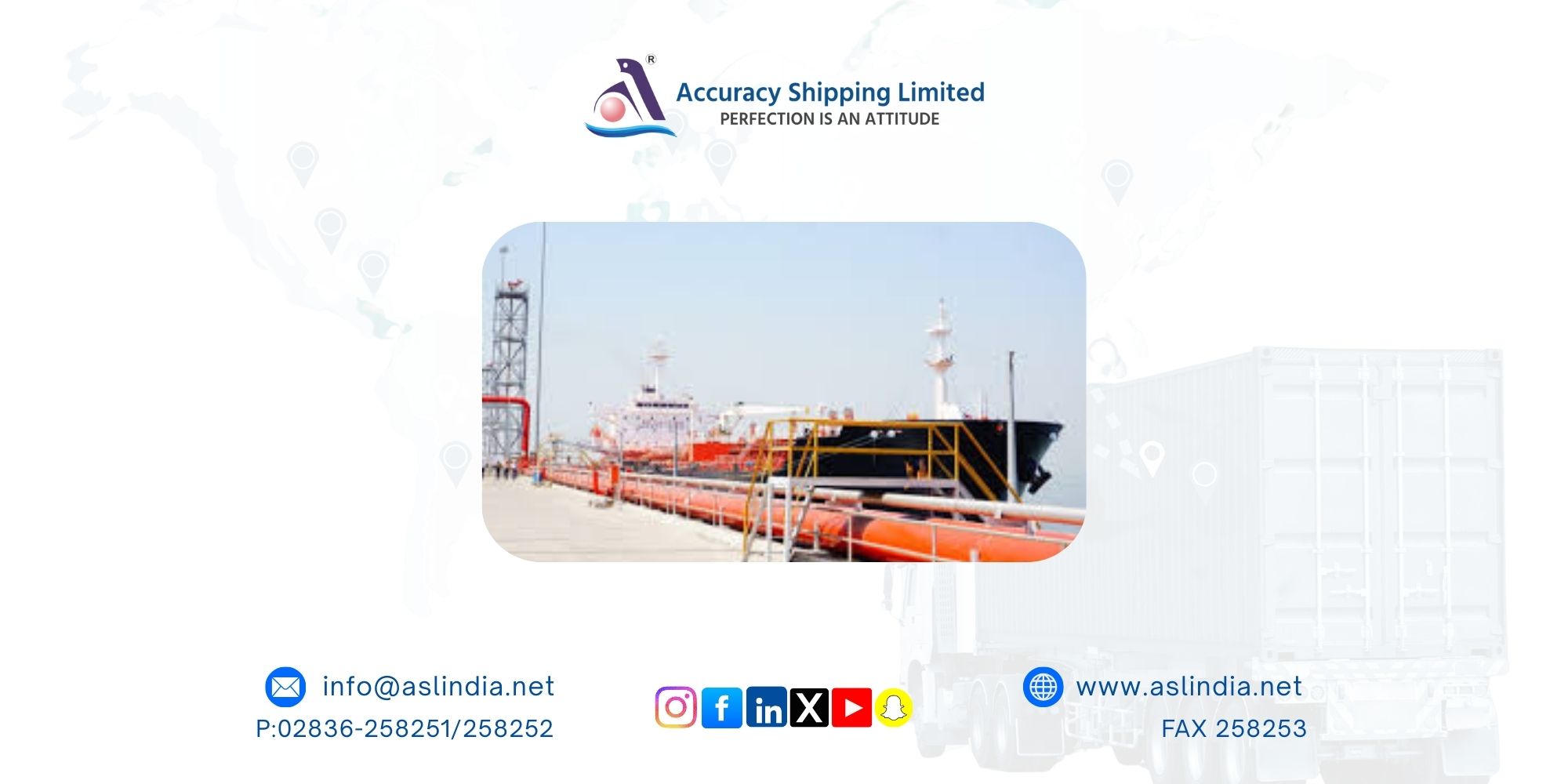
A chemical tanker has been arrested at Deendayal Port on India’s west coast following a contractual dispute between the vessel owner and Singapore-based charterer BainBridge Navigation. The incident has once again brought attention to the rising number of charter-party disputes in the global shipping industry.
Details of the vessel and charter
The vessel involved, Oceanic Dream, is a 13,000-deadweight-tonne chemical tanker built in 2008. At the time of the incident, the tanker was operating under a time charter agreement with BainBridge Navigation. According to industry sources, the commercial relationship between the two parties deteriorated, leading to an early termination of the charter.
Allegations and dispute background
BainBridge Navigation has alleged that the tanker failed to perform satisfactorily during the charter period. While the exact nature of the issues has not been publicly disclosed, the claims are understood to relate to operational and performance-related shortcomings. Such allegations commonly involve disputes over speed, fuel consumption, maintenance standards, or off-hire periods, all of which are critical under time charter contracts.
Vessel arrest and legal action
Following the termination of the charter, BainBridge initiated legal proceedings that resulted in the arrest of the tanker at Deendayal Port, formerly known as Kandla Port. Vessel arrest is a well-established remedy under maritime law, allowing claimants to secure their alleged dues while arbitration or court proceedings continue. Sources indicate that the Oceanic Dream remains under arrest pending the posting of security by the owner or further directions from the court. The vessel’s owner has not issued any public statement so far.
Industry implications
This incident reflects a broader trend in the shipping market, where volatile freight rates and tight margins are leading to an increase in charter-party disputes. Performance clauses, off-hire claims, and early terminations are being tested more frequently through legal action. As market conditions remain uncertain, such disputes are expected to continue, underlining the importance of clear contract terms, robust documentation, and proactive dispute management in maritime operations.
Our Tag:
Share:

.png)
.png)
.png)
Newsletters

 16 Jun, 2025
Temba Bavuma calls out Australia’s distasteful sledging after WTC win: ‘When we were batting, we could hear…’
 12 Jan, 2026
Kohli closes gap with Tendulkar in India’s win
 14 Nov, 2025
Bihar ki jeet humaari hai, ab Bengal ki baari hai: Union Minister amid early leads
 05 Aug, 2025
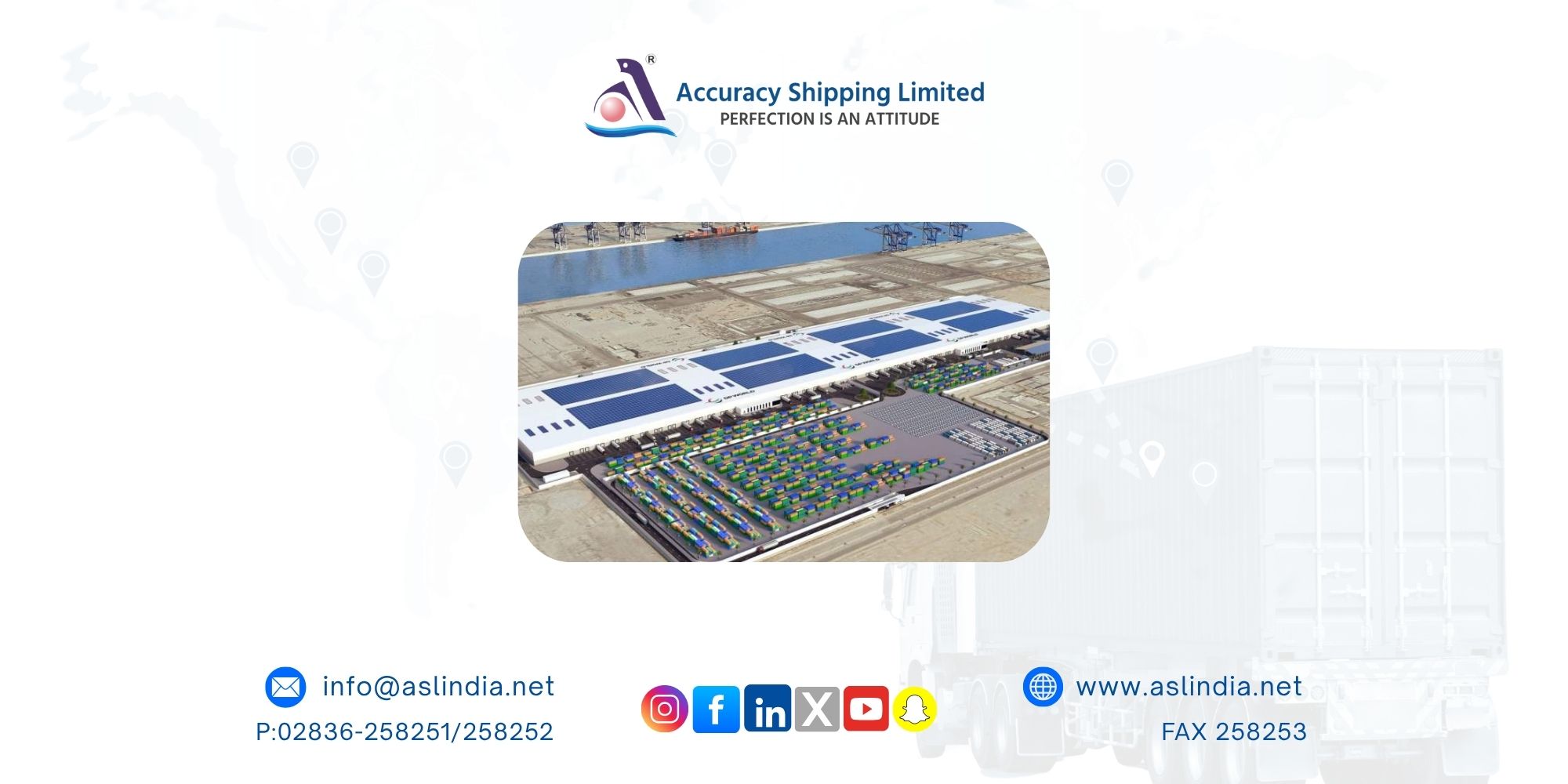
Nagpur-Vijayawada eway to make Vidarbha logistics hub: Gadkari
 08 Oct, 2025

