



Chabahar port emerges in Russia’s Eurasian trade push with India

Introduction
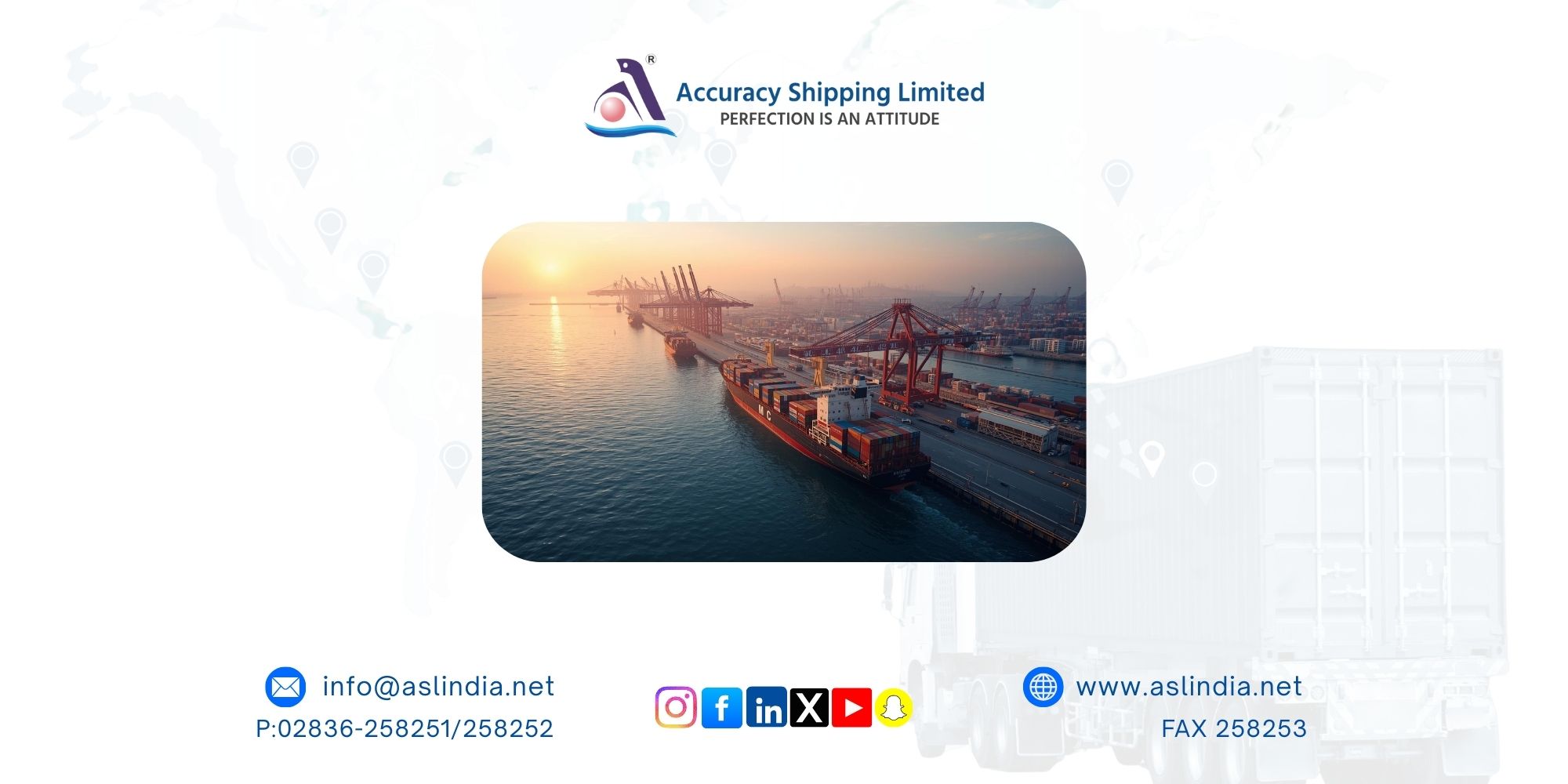
In a significant geopolitical and economic development, Russia is increasingly focusing on Iran’s India-operated Chabahar Port as a key gateway to South Asia. Seen as a crucial node in emerging Eurasian connectivity, the port is now central to Moscow’s strategy of reshaping regional trade routes linking South and East Asia with Europe and Central Asia. This shift not only elevates Chabahar’s importance but also strengthens India’s strategic position in a rapidly changing global order.
Chabahar and the INSTC Link
The momentum behind Chabahar has accelerated with Russia’s decision to integrate the port into the International North–South Transport Corridor (INSTC). This multimodal network of sea, rail, and road routes is designed to connect India with Russia and Europe via Iran. For Russia, the move aligns with its broader goal of diversifying trade corridors amid Western sanctions, while for India it reinforces long-term strategic and economic interests across Eurasia.
Why the Integration Matters
Chabahar’s inclusion in the INSTC highlights the corridor’s growing geopolitical and economic relevance. Iran stands to benefit significantly, as much of the route passes through its territory, strengthening Tehran’s role as a vital transit hub between Asia and Europe. For Russia, the corridor offers a faster and more cost-effective alternative to traditional routes such as the Suez Canal, potentially reducing transit time, costs, and exposure to geopolitical chokepoints.
India’s Strategic Advantage
For India, Chabahar provides direct access to Afghanistan and Central Asia while bypassing Pakistan and long-standing political constraints. With the port now linked to the INSTC, India’s ability to project economic influence westward is enhanced. The integration deepens partnerships with Iran and Russia at a time when global alliances are shifting and reliable connectivity to Eurasian markets has become increasingly important.
Fast-Tracking the Corridor
The renewed focus on Chabahar comes amid growing urgency to move the INSTC from planning to full-scale operation. Senior officials from Iran and Russia have recently stressed the need to accelerate implementation during high-level talks in Tehran. Their discussions reflect a shared understanding that global supply chain disruptions and geopolitical uncertainty make alternative trade routes a strategic necessity rather than an option.
Conclusion
As Russia recalibrates its connectivity priorities and India seeks resilient access to Eurasian markets, Chabahar Port’s rising prominence could mark a turning point in regional geopolitics. What was once a long-discussed project is now emerging as a cornerstone of a new Eurasian trade architecture, strengthening strategic autonomy and reshaping trade flows across continents.
Our Tag:
Share:

.png)
.png)
.png)
Newsletters
 24 Feb, 2026
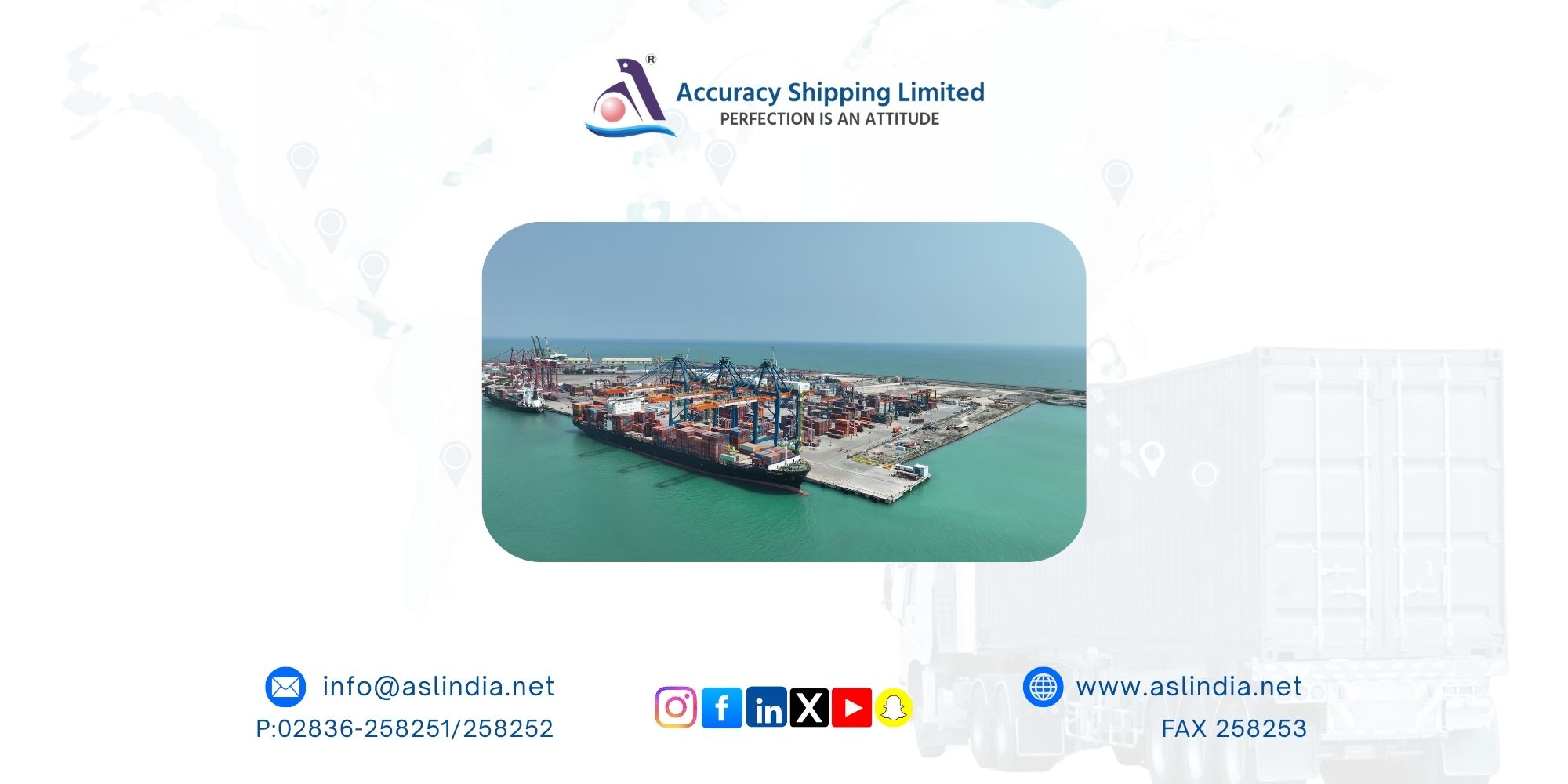
VOC Port Becomes India’s First Major Port to Launch Digital Twin Technology
 14 Nov, 2025
8 things that changed for market overnight- Gift Nifty, US markets sell-off, Bihar election results
 18 Nov, 2025
PhysicsWallah IPO listing date tomorrow. Here’s what GMP signals about debut of shares on Dalal Street
 14 Mar, 2026
Why two-time World Cup-winner thinks players like Abhishek Sharma ‘are rascals and they walk into the fire
 22 Apr, 2025

