



Cervical Health Awareness Month: Doctor explains why cervical cancer is one of the most preventable cancers

Introduction
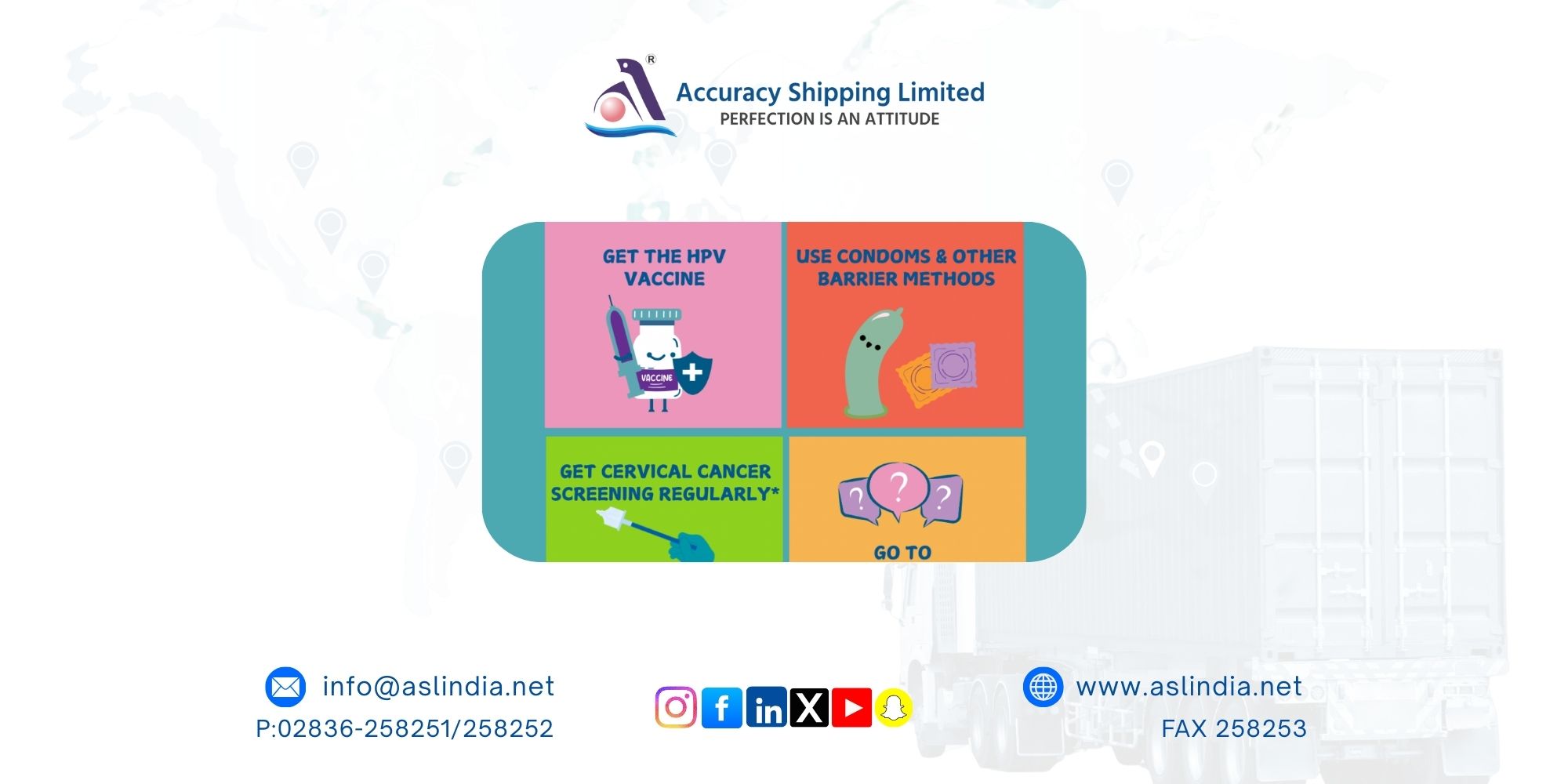
Cervical Health Awareness Month highlights an important yet often overlooked reality: cervical cancer is one of the most preventable cancers affecting women today. Despite being a leading cause of cancer-related deaths among women in India, doctors emphasize that with the right preventive steps, most cases can be avoided. Awareness, timely vaccination, and regular screening together form a powerful defence against this disease.
Why cervical cancer prevention is possible
Unlike many other cancers, cervical cancer has a clearly identified cause. According to Dr Renu Malik, cervical cancer is one of the few cancers where prevention is practical and evidence-based. The virus responsible is known, and effective tools exist to stop the disease before it begins. When women and parents are informed and proactive, prevention becomes achievable rather than theoretical.
The HPV link that makes prevention effective
Human Papillomavirus (HPV) is a common virus transmitted mainly through skin-to-skin contact. Certain high-risk strains, especially HPV types 16 and 18, are responsible for more than 80 percent of cervical cancer cases in India. Preventing infection from these high-risk strains significantly reduces the risk of developing cervical cancer. This direct link between HPV and cervical cancer is what makes vaccination such a critical preventive measure.
India’s high cervical cancer burden
India accounts for nearly a quarter of global cervical cancer cases, making it a major public health concern. Doctors stress that cervical cancer is not a rare disease in the country. The high numbers underline the urgent need for widespread awareness, vaccination programmes, and routine screening. Addressing cervical cancer prevention in India can save thousands of lives each year.
Why the HPV vaccine is a game-changer
The HPV vaccine works best when given before exposure to the virus. Clinical studies show that vaccination at the appropriate age can offer up to 97 percent protection against cervical cancer and its precancerous stages. Long-term research also indicates that vaccine-induced immunity remains strong for at least 12 to 15 years, making it a long-term investment in women’s health. Some vaccine variants additionally protect against HPV types 6 and 11, which cause most genital warts, providing broader health benefits.
Who should receive the HPV vaccine
Doctors recommend HPV vaccination for a wide age group. The primary focus is on girls aged 9 to 14 years, as vaccination before sexual debut offers maximum protection. Women aged 15 to 26 years are advised to take the vaccine as part of a catch-up strategy. Men and women between 27 and 45 years may also benefit after medical consultation. Increasingly, boys aged 9 to 14 years are also being vaccinated to reduce transmission and prevent HPV-related cancers in men. Vaccinating beyond teenage girls plays a key role in lowering the overall disease burden.
Why vaccination does not replace screening
While HPV vaccination is a powerful tool, it does not eliminate the need for regular cervical screening. Many people assume screening alone is sufficient, but doctors emphasize that the best protection comes from combining vaccination with routine Pap smears or HPV DNA testing. Screening helps detect precancerous changes early, when treatment is simpler and more effective. Even vaccinated women must continue regular screening, as early detection remains a critical safety net.
The importance of awareness and timely action
Cervical cancer develops slowly, offering multiple opportunities for prevention and early detection. With access to HPV vaccination and regular screening, a significant number of cervical cancer cases can be prevented. Doctors consider cervical cancer especially tragic because it is often avoidable. Increased awareness, informed decisions, and timely medical action can genuinely change outcomes and save lives.
Disclaimer
Tips and suggestions mentioned in this article are for general information purposes only and should not be construed as professional medical advice. Always consult your doctor or a qualified healthcare professional before making any medical decisions or changes related to vaccination or screening.
Our Tag:
Share:

.png)
.png)
.png)
Newsletters

 24 Nov, 2025
Indian Railways surpasses 1-billion-tonne freight milestone
 22 Dec, 2025
Rohit Sharma wanted to retire after losing to Australia in 2023 ODI World Cup final : ‘I didn’t want to play anymore'”
 25 Jun, 2025
HDB Financial IPO day 1 Live: GMP, subscription status, price, date to review. Apply or not?
 16 Mar, 2026
Jaishankar Hails Direct Talks with Iran as Key to Ensuring Strait of Hormuz Shipping
 13 Mar, 2026

