



'35 million would have died if...': Trump's new claim on India-Pakistan conflict

Rising Tensions After the Pahalgam Attack
In April last year, the tragic Pahalgam terror attack claimed the lives of 26 civilians, triggering a sharp escalation between India and Pakistan. In response, India launched targeted strikes on terror bases located in Pakistan-occupied Kashmir (PoK) and Pakistan under Operation Sindoor.
The military confrontation in May 2025 significantly heightened tensions between the two nuclear-armed neighbours, raising global concerns about regional stability and the risk of further escalation.
Trump’s State of the Union Claim
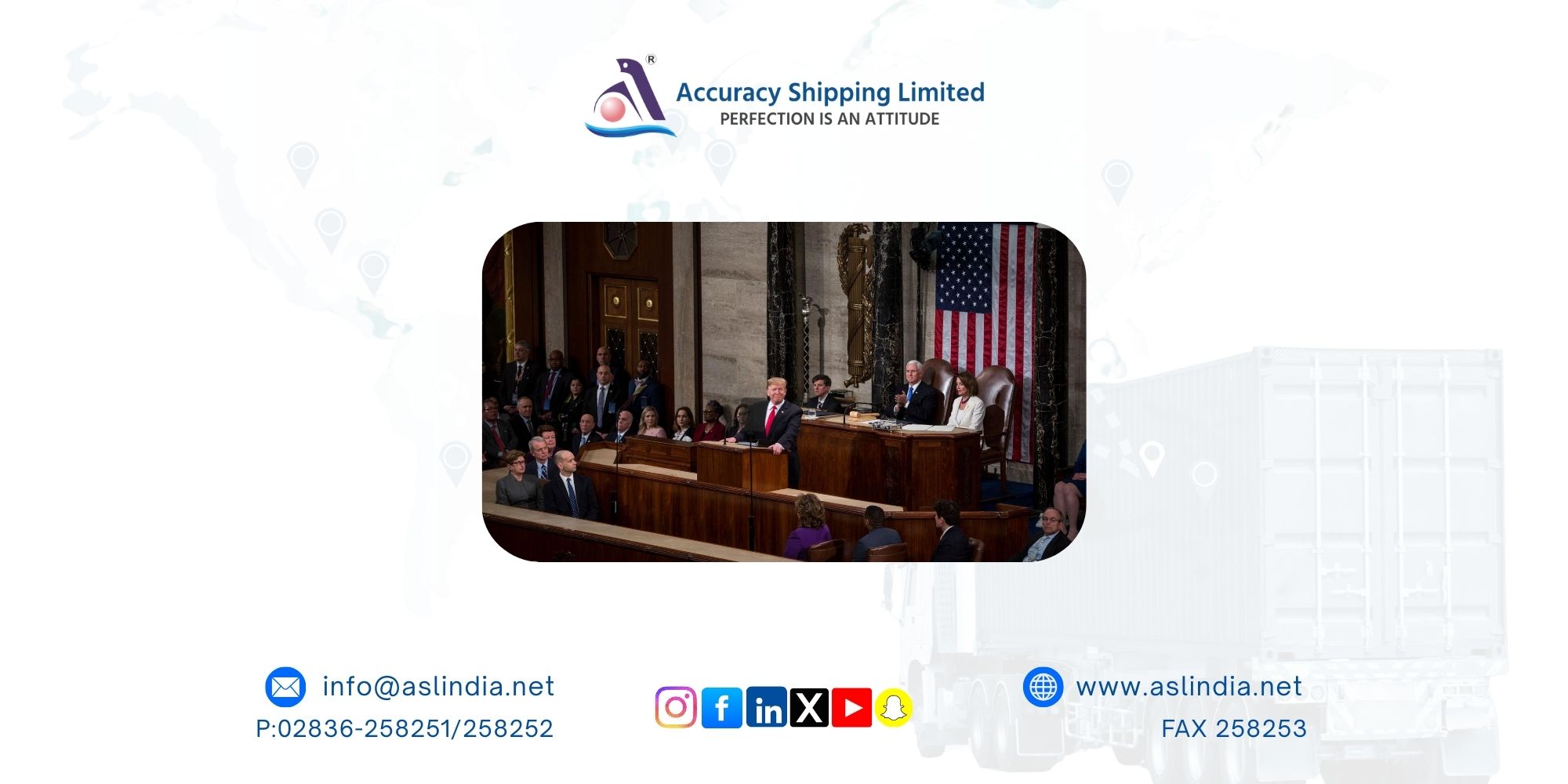
Donald Trump, during his State of the Union address before Congress, once again claimed credit for brokering a ceasefire between India and Pakistan.
According to Trump, his intervention prevented what could have spiralled into a nuclear war. He stated:
“Pakistan and India would have been in a nuclear war… 35 million people, said the Prime Minister of Pakistan (Shehbaz Sharif), would have died if it were not for my involvement.”
Trump asserted that his administration used trade agreements and tariff threats as leverage to push both nations toward de-escalation.
The Tariff Warning and Trade Leverage
Speaking at his Board of Peace event, Trump elaborated on his approach. He claimed he directly warned both countries that trade negotiations would be halted unless tensions were resolved.
He said he told them:
“I’m not doing trade deals with you two guys if you don’t settle this up… If you fight, I’m going to put 200 per cent tariffs on each of your countries.”
Trump has repeatedly maintained that this economic pressure forced both sides to step back from confrontation. In recent months, he has reportedly claimed more than 80 times that he was responsible for halting the conflict. He has also cited varying figures regarding jets allegedly shot down during the hostilities, though he has not clarified which side’s aircraft he was referring to.
India’s Stand on the Ceasefire
India has firmly rejected the notion of third-party mediation. New Delhi maintains that the ceasefire understanding reached on May 10 was the result of direct bilateral talks between India and Pakistan.
Pakistan, while not officially contradicting Trump’s claims in strong terms, has also not publicly detailed any formal US-brokered agreement tied to tariff pressure.
India has consistently emphasised its long-standing position that issues with Pakistan are to be resolved bilaterally, without external involvement.
Nuclear Fears and Global Concerns
The confrontation raised alarms internationally because both India and Pakistan are nuclear-armed states. Any sustained escalation could have had catastrophic humanitarian and geopolitical consequences.
Trump’s “35 million” remark attributed to Pakistani Prime Minister Shehbaz Sharif dramatically underscored the potential scale of devastation he claims was avoided.
However, there has been no independent verification of such casualty projections, nor official confirmation from both governments supporting Trump’s version of events.
Political Messaging or Diplomatic Reality?
Trump’s repeated assertions appear to form part of a broader narrative highlighting his foreign policy interventions. By framing the May 2025 standoff as a near-nuclear crisis averted through US leverage, he positions his administration as a decisive global peace broker.
At the same time, India’s consistent denial of third-party mediation presents a contrasting version of events one that stresses sovereign diplomacy and bilateral engagement.
Conclusion
The India–Pakistan standoff following the Pahalgam attack was undeniably serious, carrying risks of wider conflict. While President Donald Trump claims his intervention prevented a nuclear catastrophe that could have cost 35 million lives, New Delhi maintains that the ceasefire was achieved directly between the two nations.
As competing narratives continue, the episode highlights not only the fragility of peace in South Asia but also the powerful role of political messaging in shaping global perceptions of diplomacy and crisis management.
Our Tag:
Share:

.png)
.png)
.png)
Newsletters

 14 Nov, 2025
Amazon slashes nearly 700 jobs in New York alone amid plans of 14,000 job cuts – here's what we know
 18 Apr, 2025
Hardik Pandya calls this player Mumbai Indians' 'gun fielder'
 22 May, 2025
Are You Vitamin-Deficient? Nutritionist Reveals How Your Body Tries To Tell You Before It’s Too Late
 21 Apr, 2025
Scientists find green way to recycle toxic perovskite solar cells
 28 Jun, 2025

